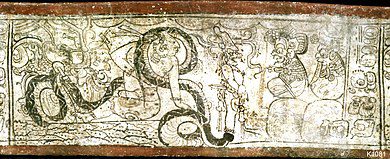
Xibalba is a significant concept in Maya mythology, representing the underworld and the realm of the dead. The name “Xibalba” translates to “place of fear” in the Mayan language, reflecting the ancient beliefs about death and the afterlife. The ancient Maya envisioned Xibalba as a dark and dangerous place where souls would journey after death. This underworld was not merely a place of punishment but also a realm of trials, challenges, and tests that the deceased had to endure. The stories and myths surrounding Xibalba are rich and complex, serving as an essential part of the cultural and spiritual life of the Maya.
Origins of Xibalba
The origins of Xibalba can be traced back to the Maya civilization, which flourished in Mesoamerica for centuries. The Maya had a profound understanding of life, death, and the cosmos, which is reflected in their mythology. According to the Popol Vuh, the sacred book of the Maya, Xibalba was created by the gods and is inhabited by powerful deities who control the fate of the dead. This underworld is depicted as a complex labyrinth filled with rivers, mountains, and various supernatural beings that challenge the souls of the deceased.
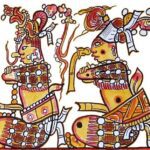 Xbaquiyalo
Xibalba is often associated with duality, embodying both fear and reverence. The Maya believed that while Xibalba was a place of darkness and danger, it was also essential for the cycle of life and death. The journey through Xibalba was seen as a necessary passage that all souls must undertake. This belief reflects the Maya’s understanding of the natural cycles of life, including birth, death, and rebirth.
Deities of Xibalba
The deities of Xibalba play a crucial role in the mythology surrounding this underworld. The most prominent gods include Hun Came and Vucub Came, who are often referred to as the Lords of Xibalba. These gods are depicted as powerful and fearsome beings who preside over the trials that souls must face. Each of these deities has specific attributes and responsibilities, contributing to the overall governance of the underworld.
- Hun Came: Often depicted as the first lord of Xibalba, he represents death and is associated with the death deity.
- Vucub Came: The second lord of Xibalba, he embodies the concept of the earth and is often associated with fertility.
In addition to these primary deities, there are other supernatural beings that inhabit Xibalba. These include the bats, the jaguar, and various other creatures that serve the lords of the underworld. Each of these beings symbolizes different aspects of fear and death, further emphasizing the idea that Xibalba is a place of trials and tribulations.
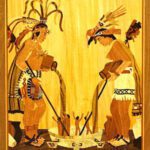 Vucub Hunahpu
The Journey Through Xibalba
The journey through Xibalba is a central theme in Maya mythology. According to the Popol Vuh, the hero twins, Hunahpú and Ixbalanque, embarked on a journey to Xibalba after their father was killed by the lords of the underworld. Their journey is filled with challenges, tests, and encounters with various deities. This narrative illustrates the belief that all souls must navigate the dangers of Xibalba to reach the afterlife.
During their journey, the twins faced numerous trials designed to test their strength, intelligence, and courage. They encountered dark rivers, treacherous paths, and fearsome creatures. Each challenge was a metaphor for the struggles of life, emphasizing that overcoming adversity is a vital part of existence. The twins ultimately triumphed, which symbolizes the hope of resurrection and the possibility of rebirth after death.
The Trials of Xibalba
The trials in Xibalba are not merely physical challenges; they also represent moral and spiritual tests. The Maya believed that the way a person lived their life would influence the trials they faced in the afterlife. Those who lived virtuously were thought to have an easier journey through Xibalba, while those who committed wrongdoings faced more significant challenges.
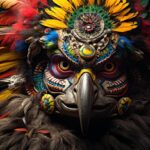 Vucub Caquix
- Test of Strength: One of the most common trials involved physical challenges, where souls had to prove their strength against the lords of Xibalba.
- Test of Wisdom: Souls were often posed riddles and puzzles, reflecting the importance of intelligence and cunning in overcoming obstacles.
- Test of Courage: Facing fearsome creatures and dark environments symbolized the need for bravery in the face of adversity.
These trials served not only as a way to determine the fate of the souls but also as lessons for the living. The stories of these challenges were passed down through generations, reinforcing the values of strength, wisdom, and courage within Maya society.
Xibalba in Art and Culture
Xibalba has left a profound mark on Maya art and culture. The depiction of Xibalba and its deities can be found in various forms of Maya art, including pottery, murals, and sculptures. These artistic representations often illustrate the trials faced by the hero twins and the fearsome lords of the underworld.
Murals in ancient Maya cities often depict scenes from the Popol Vuh, showcasing the dramatic encounters between the twins and the lords of Xibalba. Such artworks serve as both a historical record and a means of conveying the rich mythology of the Maya. They reflect the importance of storytelling in preserving cultural beliefs and traditions.
Xibalba in Modern Context
In contemporary times, Xibalba continues to be a source of fascination and inspiration. Scholars and enthusiasts of Maya mythology study Xibalba to understand the ancient Maya’s views on life, death, and the afterlife. The concept of Xibalba has also influenced modern literature, art, and popular culture, serving as a symbol of the struggle between life and death.
Moreover, Xibalba has become a subject of interest in the field of archaeology. Excavations in ancient Maya sites have uncovered artifacts and inscriptions that provide insight into the beliefs and practices surrounding the underworld. These findings help to paint a clearer picture of how the ancient Maya understood their world and the afterlife.
Comparison with Other Mythologies
Xibalba shares similarities with underworld concepts in other cultures, such as the Greek Hades or the Egyptian Duat. Like Xibalba, these realms are places where souls journey after death, often facing trials and tribulations. Each culture has its unique interpretations of the afterlife, but the common theme of a journey through darkness is prevalent across many mythologies.
- Hades: In Greek mythology, Hades is the underworld where souls go after death, ruled by the god of the same name.
- Duat: In Egyptian mythology, Duat is the realm of the dead, where souls must navigate challenges to achieve eternal life.
These comparisons highlight the universal human concern with mortality and the afterlife. Just as the Maya created a rich mythology surrounding Xibalba, other cultures developed their narratives to explain what happens after death, reflecting their values, beliefs, and understanding of existence.
Significance of Xibalba in Maya Religion
Xibalba holds immense significance in the religious practices of the ancient Maya. It was not only a place of fear but also a vital component of their cosmology. The belief in Xibalba influenced various aspects of Maya life, including rituals, ceremonies, and the understanding of death. The Maya performed rituals to honor their ancestors and to seek favor from the deities of Xibalba.
These rituals often involved offerings, prayers, and ceremonies aimed at ensuring a safe passage for the souls of the deceased. The Maya believed that by appeasing the lords of Xibalba, they could help their loved ones navigate the challenges of the underworld. This belief system underscores the importance of community and familial bonds in Maya culture, as the living sought to support the dead in their journey.
Xibalba in Modern Spiritual Practices
Today, Xibalba continues to inspire modern spiritual practices and beliefs. Some contemporary Maya communities still hold onto their ancestral beliefs about the afterlife, incorporating elements of Xibalba into their rituals and ceremonies. These practices reflect a deep connection to their cultural heritage and a desire to maintain a link with their ancestors.
Moreover, the concept of Xibalba has found its way into modern spirituality and new age practices. Some individuals draw inspiration from the trials and journeys of Xibalba, using them as metaphors for personal growth and transformation. This adaptation of ancient beliefs demonstrates the enduring power of mythology and its ability to resonate across time and cultures.
Xibalba is a multifaceted concept within Maya mythology that encompasses fear, reverence, and the complexities of life and death. Its rich narrative and the trials associated with it offer profound insights into the ancient Maya’s understanding of existence. Through the stories of Xibalba, we can explore themes of courage, wisdom, and the eternal struggle between light and darkness, making it a timeless element of human experience.