
The concept of Wayeb is an intriguing aspect of Maya mythology. In the belief system of the ancient Maya, Wayeb refers to a specific time of the year when the boundaries between the human world and the supernatural are blurred. This period is often associated with a sense of danger and unpredictability. The Maya believed that during Wayeb, the world was vulnerable to the influence of spiritual beings and that humans needed to take special precautions to protect themselves. This article will delve into the significance of Wayeb, its rituals, and its impact on the daily lives of the Maya.
The Meaning of Wayeb
Wayeb, pronounced as “wah-yeb,” is the name given to the last five days of the Maya calendar. These days are not assigned to any month and are considered a time of transition. The Maya calendar is highly intricate, consisting of various cycles, including the Tzolk’in and the Haab’. Wayeb stands out as it represents a period of chaos and the unknown. The significance of this time lies in its ability to remind the Maya of the balance between order and disorder in the universe.
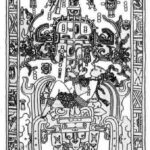 Wacah Chan
During Wayeb, the Maya believed that the gods and other spiritual entities were more active. It was a time when these beings could influence human affairs, leading to unexpected events. This idea stems from the belief that the gods were intimately involved in the daily lives of the Maya, providing blessings or curses based on their actions. The unpredictability of Wayeb served as a reminder for the Maya to remain vigilant and respectful of the divine.
The Rituals of Wayeb
To navigate the uncertainties of Wayeb, the Maya engaged in various rituals aimed at appeasing the gods and ensuring protection from malevolent spirits. These rituals varied from community to community but often included offerings, prayers, and ceremonial gatherings. One common practice was to create offerings of food, flowers, and incense to honor the gods and ask for their favor during this tumultuous period.
Another significant ritual was the performance of ceremonial dances. These dances were not only a form of expression but also a way to invoke the spirits and seek their guidance. The Maya believed that by participating in these dances, they could create a connection with the divine, allowing them to receive blessings for the coming year. The music, costumes, and movements all played a crucial role in these ceremonies, reflecting the rich cultural heritage of the Maya.
 Tohil
TohilThe Impact of Wayeb on Daily Life
Wayeb had a profound impact on the daily lives of the Maya, influencing their activities and decisions during this time. Many people refrained from starting new projects or engaging in significant business transactions, believing that the outcomes would be uncertain. This caution extended to various aspects of life, including farming, trading, and even social interactions. The emphasis on restraint during Wayeb highlighted the importance of timing and the belief that certain periods were more auspicious than others.
Additionally, families would often come together to share stories and teachings about the significance of Wayeb. Elders would pass down their knowledge and experiences, ensuring that the younger generations understood the importance of this time. This oral tradition helped to preserve the cultural identity of the Maya and reinforced the values of respect, caution, and reverence for the spiritual world.
The Connection to the Underworld
In Maya mythology, Wayeb is often linked to the underworld, known as Xibalba. This connection stems from the belief that during this time, the spirits of the dead could more easily interact with the living. The Maya viewed the underworld as a complex realm inhabited by various deities and spirits, some of whom were benevolent while others were malevolent. The idea that the veil between worlds was thin during Wayeb led to increased fears and caution among the Maya.
 Tepeu
TepeuTo protect themselves from any potential harm, the Maya engaged in specific practices aimed at warding off negative influences from the underworld. These included the use of amulets and protective symbols, as well as the recitation of prayers and incantations. By doing so, they sought to create a barrier between themselves and the spirits that could cause misfortune or illness.
Wayeb in Modern Maya Culture
While the ancient practices surrounding Wayeb may have evolved, the essence of this time still holds significance in modern Maya culture. Many communities continue to observe rituals and customs that honor the traditions of their ancestors. The observance of Wayeb serves as a reminder of the importance of spirituality and the connection to the natural world. It allows the Maya to reflect on their history and maintain a sense of identity amidst the challenges of modern life.
In contemporary times, some Maya communities celebrate Wayeb with festivals that include traditional music, dance, and food. These gatherings not only honor the gods but also foster a sense of community and solidarity among the people. They provide an opportunity for the younger generations to learn about their heritage and the significance of Wayeb, ensuring that these traditions are not lost over time.
The Symbolism of Wayeb
The symbolism associated with Wayeb is rich and multifaceted. It represents the duality of existence, where life and death, order and chaos, coexist. This duality is reflected in the belief that the gods can bring both blessings and challenges. The Maya understood that life is a balance between these opposing forces, and Wayeb serves as a reminder of the need for respect and humility in the face of the divine.
Furthermore, Wayeb symbolizes the cyclical nature of time and the importance of honoring each phase of life. The five days of Wayeb can be seen as a period of reflection and preparation for the new year ahead. It encourages individuals to consider their actions and intentions, fostering a sense of mindfulness that is essential for personal and communal growth.
The Role of Elders in Wayeb
Elders play a crucial role in the observance of Wayeb within Maya communities. They are seen as the keepers of knowledge and tradition, responsible for passing down the teachings and practices associated with this time. Their wisdom and guidance are invaluable, as they help to connect the younger generations with their cultural heritage.
During Wayeb, elders often lead rituals and ceremonies, sharing stories that highlight the significance of this period. They remind the community of the importance of respect for the gods and the natural world. By doing so, they reinforce the values that have been integral to Maya culture for centuries. The involvement of elders in these practices ensures that the teachings of Wayeb continue to be relevant and impactful.
Wayeb and Nature
The Maya have always maintained a deep connection to nature, and Wayeb is no exception. This period is often seen as a time to reflect on the relationship between humans and the natural world. The Maya believed that the changing seasons and cycles of nature were closely linked to the spiritual realm. During Wayeb, they paid particular attention to the signs and omens present in their environment.
Many Maya communities used this time to engage in agricultural practices that honored the earth. They recognized that the health of their crops and the well-being of their communities were interconnected. By performing rituals that celebrated the land and its resources, the Maya sought to ensure a bountiful harvest and a harmonious relationship with nature.
The Lessons of Wayeb
Wayeb teaches valuable lessons about the nature of existence and the importance of balance in life. It serves as a reminder that uncertainty is an inherent part of the human experience. The Maya understood that while they could not control the forces of nature or the actions of the gods, they could control their responses to these challenges. This perspective fosters resilience and adaptability, qualities that are essential for navigating life’s complexities.
Moreover, Wayeb encourages mindfulness and reflection. It prompts individuals to consider their actions, intentions, and relationships with others. By taking the time to reflect during this period, the Maya cultivate a sense of awareness that can lead to personal and communal growth. The teachings of Wayeb emphasize the importance of living in harmony with oneself, others, and the world around us.
The Spiritual Significance of Wayeb
Wayeb holds profound spiritual significance for the Maya, representing a time of introspection and connection with the divine. It is a period when individuals are encouraged to seek guidance from the gods and to engage in practices that foster spiritual growth. The rituals performed during Wayeb serve as a means of establishing a connection with the spiritual realm, allowing individuals to receive wisdom and blessings.
For many Maya, Wayeb is a time for personal renewal and transformation. It offers an opportunity to release negative energies and to set intentions for the future. The spiritual practices associated with Wayeb help individuals align themselves with the natural rhythms of the universe, fostering a sense of peace and clarity. This connection to spirituality is a fundamental aspect of Maya identity, enriching their cultural heritage.
The Future of Wayeb in Maya Culture
As the world continues to change, the future of Wayeb in Maya culture remains a topic of interest and discussion. Many communities are actively working to preserve their traditions while also adapting to modern influences. The observance of Wayeb is likely to evolve, incorporating new elements while maintaining its core significance.
Efforts to revitalize and promote the teachings of Wayeb are underway in various Maya communities. Workshops, festivals, and educational programs aim to engage younger generations and encourage them to embrace their cultural heritage. By fostering a sense of pride and identity, these initiatives help ensure that the traditions surrounding Wayeb continue to thrive.
The Global Influence of Wayeb
The concept of Wayeb has also attracted the interest of scholars, anthropologists, and spiritual seekers beyond the Maya communities. Its themes of balance, spirituality, and the interconnectedness of life resonate with people from diverse backgrounds. As a result, discussions about Wayeb have found their way into broader conversations about indigenous knowledge, environmental sustainability, and the importance of cultural preservation.
This growing interest highlights the value of indigenous wisdom in addressing contemporary challenges. The teachings of Wayeb offer insights into the significance of living in harmony with nature and the importance of respecting the spiritual dimensions of life. By sharing these lessons with a global audience, the Maya contribute to a greater understanding of their culture and the wisdom it holds.
Wayeb is a profound aspect of Maya mythology that encapsulates the intricate relationship between humans and the divine. Its rituals, teachings, and significance reflect the values of the Maya and their deep connection to the natural world. As communities continue to honor and celebrate Wayeb, they ensure that this important cultural heritage remains alive for future generations.