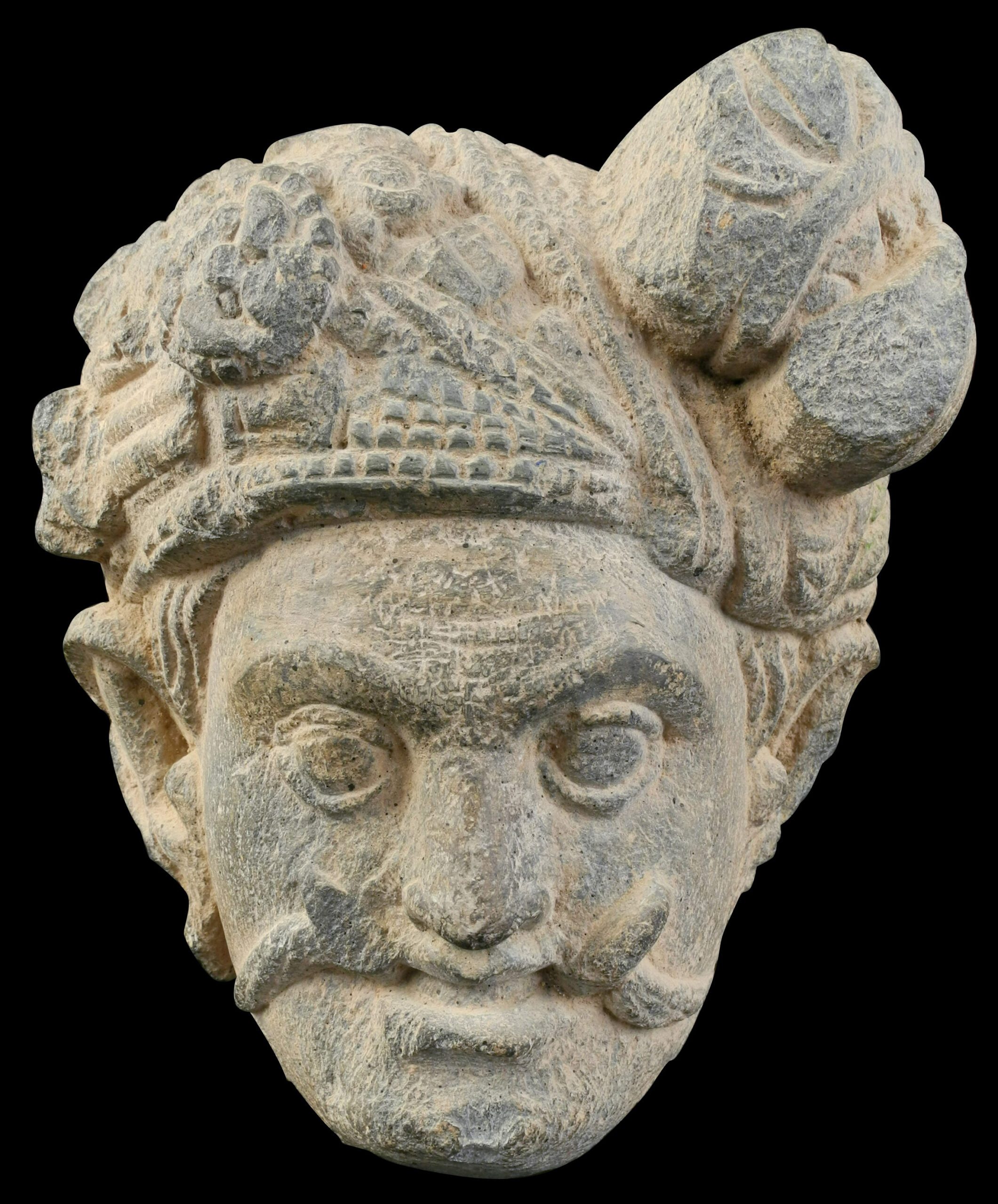
Mara is a significant figure in Buddhist mythology, often recognized as a personification of temptation, desire, and distraction. This complex character plays a crucial role in the narratives surrounding the life of Siddhartha Gautama, who later became known as the Buddha. Mara is not just a singular entity; rather, he represents various forces that hinder individuals from achieving enlightenment. Throughout the Buddhist tradition, Mara’s interactions with the Buddha serve as profound lessons on the nature of suffering and the path to liberation. This article explores the multifaceted aspects of Mara, his symbolism, and the lessons he embodies in Buddhist teachings.
Mara in Buddhist Texts
Buddhist texts, including the Pali Canon and various Mahayana scriptures, present Mara as a powerful adversary to those seeking spiritual awakening. In the stories, he is often depicted as a deity or demon who tries to distract the Buddha from his path to enlightenment. Mara’s most famous encounter occurs during the Buddha’s meditation under the Bodhi tree, where he attempts to disturb Siddhartha’s focus by employing various tactics. These include sending beautiful women to seduce him, conjuring frightening illusions, and using his army of demons to instill fear. Each of these actions symbolizes the temptations and challenges that individuals face on their spiritual journeys.
 Manjushri
In the context of Buddhist mythology, Mara is not merely a villain; he represents the internal struggles that everyone faces. The Three Temptations of Mara—desire, aversion, and ignorance—are fundamental to understanding his role in Buddhist teachings. These temptations reflect the obstacles that prevent individuals from attaining enlightenment. Mara’s attempts to sway the Buddha highlight the importance of mindfulness and the need to overcome these internal battles. The stories serve as reminders of the challenges inherent in the pursuit of spiritual growth and the necessity of resilience in the face of distractions.
The Symbolism of Mara
Mara is rich in symbolism within Buddhist thought. He embodies the attachment and clinging that bind individuals to the cycle of birth and rebirth, known as samsara. This cycle is characterized by suffering, and Mara’s role is to perpetuate this state by keeping beings trapped in their desires and fears. Understanding Mara’s symbolism is essential for practitioners who aim to break free from the cycle of samsara and attain Nirvana. In this sense, Mara represents not just an external force but also the internalized aspects of our own minds that create suffering.
Moreover, Mara’s name itself is derived from the root word meaning “to kill.” This etymology underscores his function as a killer of spiritual potential. By distracting and deceiving individuals, Mara effectively stifles their growth and enlightenment. This connection emphasizes the need for self-awareness and mindfulness in Buddhist practice. By recognizing the manifestations of Mara within oneself, practitioners can confront their own fears and attachments, ultimately leading to personal transformation.
 Mandala
The Encounter with the Buddha
The encounter between Mara and the Buddha is one of the most pivotal moments in Buddhist mythology. As Siddhartha sat in deep meditation, Mara approached him with the intent to disrupt his quest for enlightenment. The first attempt was through the Three Daughters of Mara, who represented desire, pleasure, and lust. Their seductive dance aimed to lure Siddhartha away from his meditative state. However, the Buddha remained steadfast, demonstrating the power of concentration and the importance of resisting worldly temptations.
Next, Mara unleashed his army of demons to frighten Siddhartha. This action symbolizes the fear and doubt that can arise during moments of deep introspection. Yet, the Buddha faced these fears with courage and clarity, illustrating the principle that overcoming internal fears is essential for spiritual progress. This moment in the narrative serves as a profound lesson about the nature of fear and the necessity of facing it head-on rather than avoiding it.
 Maitreya
Lessons from the Encounter
- Mindfulness: The Buddha’s ability to remain focused during Mara’s onslaught emphasizes the importance of mindfulness in meditation.
- Resilience: Siddhartha’s unwavering determination teaches practitioners about the need for resilience in the face of distractions.
- Self-awareness: Recognizing Mara’s presence within oneself is crucial for personal growth and spiritual development.
Finally, as Mara attempted to undermine Siddhartha’s confidence by questioning his worthiness, the Buddha touched the earth, calling upon the earth to witness his right to enlightenment. This act symbolizes the deep connection between the practitioner and the universe. It underscores the idea that enlightenment is not a privilege but a natural state that can be achieved through perseverance and self-discovery. In this moment, Mara’s power is ultimately nullified, and the Buddha attains enlightenment, marking a significant turning point in Buddhist mythology.
Mara’s Influence on Buddhist Practice
The figure of Mara continues to influence Buddhist practice and teachings today. Many practitioners view Mara as a representation of their own internal struggles. By recognizing the presence of Mara in their thoughts and actions, individuals can work towards overcoming the distractions and temptations that arise in daily life. This perspective fosters a deeper understanding of the mind and encourages practitioners to cultivate mindfulness and awareness.
Mara’s influence is also evident in various meditation practices. Many meditation techniques emphasize the importance of observing thoughts without attachment. This practice aligns with the lessons learned from the Buddha’s encounter with Mara. By observing the thoughts that arise, practitioners can acknowledge the presence of Mara without allowing him to dictate their experience. This approach empowers individuals to navigate their mental landscape with greater clarity and purpose.
Modern Interpretations of Mara
In contemporary Buddhist thought, Mara is often interpreted in various ways, reflecting the diverse perspectives within the tradition. Some view Mara as a metaphor for the modern world’s distractions, such as technology, consumerism, and societal pressures. These interpretations highlight the ongoing relevance of Mara’s teachings in the context of today’s challenges. By recognizing the modern manifestations of Mara, practitioners can better understand the nature of their distractions and work towards cultivating a more mindful existence.
Additionally, some modern Buddhist teachers emphasize the psychological aspects of Mara, relating him to the concept of the “inner critic.” This interpretation focuses on the negative self-talk and self-doubt that can arise during personal growth. By confronting and understanding this inner critic, individuals can dismantle the barriers to their enlightenment. This psychological approach aligns with the teachings of the Buddha, emphasizing the importance of self-awareness and compassion in overcoming internal struggles.
Mara in Popular Culture
The figure of Mara has also made its way into popular culture, appearing in various forms of media, literature, and art. These representations often draw upon the symbolic aspects of Mara as a force of temptation and distraction. In films and books, Mara is sometimes depicted as a literal antagonist, embodying the challenges that protagonists must overcome on their journeys. This portrayal resonates with audiences, as it reflects the universal struggle against internal and external obstacles.
Moreover, artistic interpretations of Mara can be seen in traditional Buddhist art, where he is often depicted alongside the Buddha in scenes of temptation. These visual representations serve as reminders of the ongoing battle between enlightenment and distraction, reinforcing the lessons of the Buddha’s encounter with Mara. Through these cultural expressions, the teachings surrounding Mara continue to inspire and educate individuals on the path to spiritual growth.
Conclusion of Mara’s Legacy
Mara’s legacy in Buddhist mythology is profound and multifaceted. As a personification of temptation and distraction, he serves as a reminder of the challenges faced on the path to enlightenment. Through the stories of his encounters with the Buddha, practitioners are encouraged to confront their own internal struggles and cultivate mindfulness. The lessons derived from Mara’s symbolism are timeless, providing guidance for individuals seeking to navigate the complexities of modern life. By understanding and acknowledging the presence of Mara within themselves, practitioners can embark on a transformative journey towards spiritual awakening.