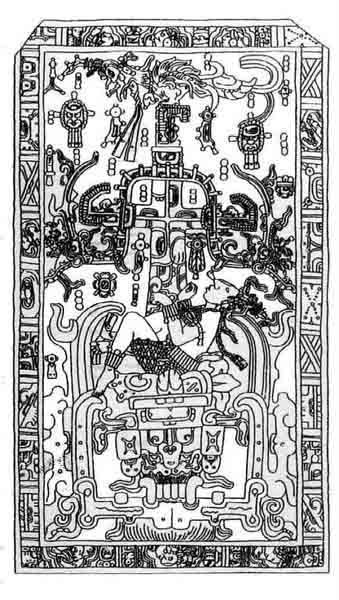
Wacah Chan is a significant figure in Maya mythology, often associated with the concepts of creation and the underworld. He is recognized as a god of the earth and is sometimes referred to as the World Tree or Ceiba tree. In many Mayan cultures, Wacah Chan serves as a vital link between the heavens and the earth. The mythology surrounding Wacah Chan provides insights into the beliefs and values of the Maya civilization, particularly their understanding of nature and the cosmos.

The Role of Wacah Chan in Maya Mythology
In Maya mythology, Wacah Chan plays a crucial role in the creation narrative. He is often depicted as a serpent or a tree, symbolizing the connection between different realms. The Maya believed that Wacah Chan was instrumental in the formation of the world, as he supported the sky and allowed life to flourish on earth. This duality of being both a tree and a serpent signifies his importance in maintaining the balance of the universe.
Wacah Chan is also associated with the underworld, which is an essential aspect of the Maya worldview. The underworld, known as Xibalba, was seen as a place of challenges and trials. Wacah Chan’s connection to this realm illustrates the Maya belief in the cyclical nature of life, death, and rebirth. It was believed that souls would journey through the underworld before reaching the afterlife, and Wacah Chan acted as a guide for these souls.
Symbolism of Wacah Chan
The symbolism of Wacah Chan is deeply rooted in the Maya cosmology. As a representation of the World Tree, he embodies the idea that life is interconnected. The branches of the tree reach towards the heavens, while its roots extend deep into the earth, symbolizing the connection between the spiritual and physical worlds. This image of the tree is prevalent in many Mayan texts and artwork, emphasizing its importance in their culture.
 Tepeu
TepeuAdditionally, Wacah Chan is often depicted with serpentine features, which further emphasizes his role as a connector between different realms. The serpent is a powerful symbol in many cultures, representing wisdom, renewal, and transformation. In the context of Wacah Chan, the serpent signifies the flow of energy and life between the earth and the sky, reinforcing the belief that all elements of existence are interlinked.
Wacah Chan in Maya Art and Architecture
Wacah Chan’s influence is evident in various forms of Maya art and architecture. He is often depicted in murals, pottery, and stone carvings, where artists would illustrate his significance through intricate designs. These representations are not merely decorative; they serve as a means to convey the complex beliefs of the Maya people. Many artworks showcase the World Tree, often accompanied by other deities, animals, and symbols that relate to the creation narrative.
In Maya architecture, temples and ceremonial sites were often aligned with celestial events, reflecting the importance of Wacah Chan and the World Tree in their spiritual practices. The structures were designed to honor the gods and facilitate communication between the human realm and the divine. Wacah Chan’s representation in these sacred spaces highlights the Maya’s reverence for nature and their understanding of its role in the cosmos.
 Palenque Triad
Wacah Chan and Other Maya Deities
Wacah Chan is often mentioned alongside other significant Maya deities in mythology. For instance, he is frequently associated with Itzamná, the god of creation and the sky. Together, they symbolize the balance between the earth and the heavens, emphasizing the interconnectedness of all life. This relationship showcases the complexity of the Maya pantheon, where gods often have overlapping roles and attributes.
Another deity that Wacah Chan is linked with is Chac, the rain god. Chac is crucial for agriculture, and his connection to Wacah Chan highlights the importance of water and earth in sustaining life. The duality of Wacah Chan as both a tree and a serpent complements Chac’s role, as both are essential for the fertility of the land. This interrelation among deities illustrates the Maya’s understanding of nature and the importance of each element in their survival.
Rituals and Practices Involving Wacah Chan
The Maya people engaged in various rituals and practices to honor Wacah Chan and seek his favor. These rituals often involved offerings and ceremonies designed to ensure a bountiful harvest and the well-being of the community. The Maya believed that by appeasing Wacah Chan, they could maintain harmony between the earth and the heavens, which was vital for their survival.
One common ritual involved the planting of the Ceiba tree, which symbolizes Wacah Chan. This act was not merely a practical agricultural task but a spiritual one as well. The planting of the tree was seen as a way to invite Wacah Chan into their lives, fostering a connection between the community and the divine. Such practices reflect the deep respect the Maya had for nature and their understanding of its sacredness.
Modern Interpretations of Wacah Chan
In contemporary discussions of Maya mythology, Wacah Chan continues to be a subject of interest for scholars and enthusiasts alike. Modern interpretations often explore the relevance of his symbolism in today’s world, particularly in the context of environmental conservation and sustainability. The themes associated with Wacah Chan, such as interconnectedness and balance, resonate strongly in current dialogues about our relationship with nature.
Furthermore, the revival of interest in Mayan culture and spirituality has led to a renewed appreciation for deities like Wacah Chan. Many indigenous communities are working to preserve their traditions and share their stories with broader audiences. This cultural resurgence emphasizes the importance of understanding and respecting the beliefs that have shaped their identity for centuries.
The Legacy of Wacah Chan
The legacy of Wacah Chan is not only significant in the context of ancient Maya civilization but also in the ongoing exploration of mythology and spirituality. His representation as a bridge between the earth and the heavens serves as a reminder of the importance of maintaining balance in our lives. The teachings and stories associated with Wacah Chan encourage respect for nature and highlight the interconnectedness of all living beings.
As we delve deeper into the mythology surrounding Wacah Chan, we uncover valuable lessons that can guide us in our modern lives. The principles of harmony, respect for nature, and the cyclical nature of existence offer profound insights that remain relevant today. Understanding Wacah Chan and his significance allows us to appreciate the rich tapestry of Maya mythology and its implications for contemporary society.