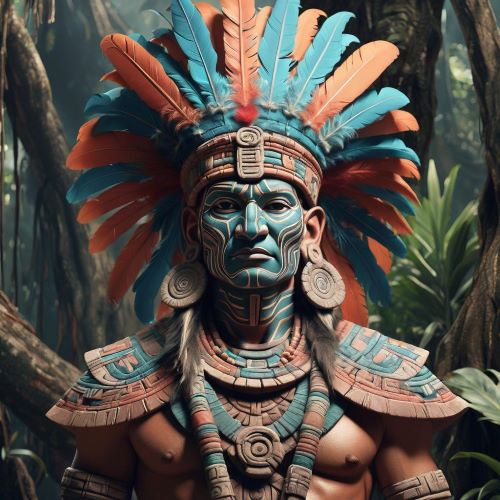
The ancient Maya civilization was rich in culture, art, and mythology. One of the key aspects of their beliefs revolved around the concept of votan, which refers to the sacredness of their gods and the significance of their ancestors. In this article, we will explore the various elements of Maya mythology, focusing on the role of votan and its implications in their daily lives. Understanding votan provides insight into the spiritual and cultural practices of the Maya, which continue to influence many communities today.
The Significance of Votan in Maya Mythology
In the context of Maya mythology, votan represents a deep connection between the people and their deities. The term is often associated with the concept of creation and the divine order of the universe. The Maya believed that their gods played a crucial role in the formation of the world, and votan was a way to honor and communicate with these powerful beings. Through rituals and offerings, the Maya sought to maintain a harmonious relationship with their gods, ensuring prosperity and protection for their communities.
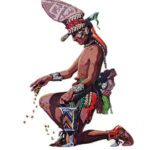 Yum Kaax
Votan was not just a passive belief; it was actively integrated into the daily lives of the Maya. They engaged in various ceremonies that were designed to appease the gods. These ceremonies often involved music, dance, and the presentation of gifts. The Maya believed that through these acts, they could gain favor from the gods and secure a better future for their families and crops. The importance of votan is evident in the elaborate rituals that were performed at important times of the year, such as planting and harvesting seasons.
Votan and the Creation Myth
The creation myth of the Maya is a fascinating narrative that encapsulates the essence of votan. According to this myth, the world was created by the gods who came together to form the land, the sky, and all living beings. The gods had specific roles and responsibilities, and each contributed to the balance of nature. The Popol Vuh, a sacred text of the Maya, details these creation stories, highlighting the significance of votan in their cosmology. The text describes how the gods attempted to create humans several times, eventually succeeding with the creation of the Maize People.
The maize, or corn, is central to Maya culture and is often seen as a gift from the gods. This connection further emphasizes the role of votan, as the Maya believed that their existence was tied to the blessings of their deities. The creation story not only serves as an explanation for the origins of humanity but also reinforces the importance of maintaining a respectful and reciprocal relationship with the gods. The narrative of creation is a reminder of the sacredness of life and the responsibilities that come with it.
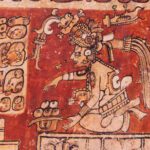 Itzamna
Rituals and Practices Related to Votan
The Maya engaged in numerous rituals that revolved around the concept of votan. These rituals were often performed at specific times of the year and were aimed at ensuring a bountiful harvest, good health, and protection from disasters. One of the most significant rituals was the bloodletting ceremony, where individuals would offer their blood to the gods as a sign of devotion. This act was believed to strengthen the bond between the community and their deities, demonstrating the lengths to which the Maya would go to honor their gods.
- Offerings: The Maya would present various offerings, such as food, flowers, and incense, to their gods. These offerings were seen as a way to show gratitude and seek blessings.
- Festivals: Numerous festivals were held throughout the year, each dedicated to specific gods. These events included music, dancing, and communal feasting, fostering a sense of unity among the people.
- Divination: The Maya practiced divination to communicate with the gods. Priests would interpret signs and omens to guide the community in decision-making.
These rituals not only served to honor the gods but also reinforced social cohesion within the community. Participation in these ceremonies was a communal effort, bringing people together in shared beliefs and practices. The importance of votan was thus not only spiritual but also social, as it helped to create a sense of identity and belonging among the Maya.
Deities Associated with Votan
The Maya pantheon is filled with numerous gods, each representing different aspects of life and nature. Some of the most prominent deities associated with votan include Itzamná, the god of creation, and Kukulkán, the feathered serpent god. Itzamná is often regarded as the supreme deity, embodying wisdom and the essence of the universe. He played a crucial role in the creation myth and was invoked in various rituals to ensure harmony and balance.
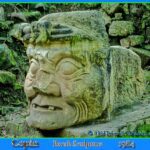 Pauahtun
Kukulkán, on the other hand, is a significant figure in Maya mythology, often associated with rain, wind, and storms. He is seen as a powerful force of nature and is revered for his ability to bring life-giving rain to the fields. The worship of these deities highlights the importance of votan in agricultural practices, as the Maya relied heavily on their crops for sustenance. By honoring these gods, the Maya sought to secure favorable weather conditions and a fruitful harvest.
The Legacy of Votan in Modern Maya Culture
The concept of votan continues to hold significance in modern Maya culture. Many contemporary Maya communities still engage in rituals and practices that reflect their ancient beliefs. These traditions serve as a way to preserve their cultural identity and maintain a connection to their ancestors. The legacy of votan can be seen in various aspects of life, from agricultural practices to community gatherings.
In recent years, there has been a resurgence of interest in Maya mythology and spirituality. Many Maya individuals are reclaiming their heritage and integrating traditional practices into their daily lives. This revival is essential for the preservation of their culture, as it allows younger generations to learn about their history and the importance of votan. Additionally, the blending of ancient beliefs with contemporary practices has created a unique cultural landscape that continues to evolve.
The Role of Votan in Art and Symbolism
Art and symbolism play a crucial role in expressing the significance of votan in Maya culture. The Maya were skilled artisans, and their artwork often depicted scenes from mythology, including representations of gods and rituals. Pottery, sculpture, and murals served as mediums to convey their beliefs and honor their deities. These artistic expressions not only showcased their creativity but also reinforced their spiritual practices.
Many Maya symbols are closely associated with votan and the natural world. For example, the cacao tree, which was considered sacred, symbolizes abundance and fertility. Cacao was often used in rituals and as a form of currency, further emphasizing its importance in Maya society. Other symbols, such as the jaguar and the eagle, represent strength and power, connecting the people to their gods and the forces of nature.
Votan and the Cycle of Life
The concept of votan is intricately linked to the cycle of life and death in Maya mythology. The Maya believed in the interconnectedness of all living beings and the natural world. This belief is reflected in their understanding of life cycles, including birth, growth, decay, and rebirth. The rituals associated with votan often celebrated these cycles, acknowledging the importance of each stage in the life of an individual and the community.
For the Maya, death was not seen as an end but rather as a transition to another realm. The rituals performed for the deceased were meant to honor their journey and ensure their safe passage to the afterlife. This belief in the cyclical nature of existence reinforces the importance of maintaining a harmonious relationship with the gods and the world around them. Through votan, the Maya expressed their understanding of life’s complexities and their place within the universe.
The Influence of Votan on Community Values
The teachings and practices surrounding votan have shaped the values of Maya communities for centuries. Central to these values is the concept of reciprocity, which emphasizes the importance of giving and receiving in relationships with others and with the gods. This principle fosters a sense of community and encourages individuals to support one another in times of need. The emphasis on reciprocity can be seen in the communal nature of Maya rituals, where everyone participates and contributes.
Additionally, the values of respect and gratitude are deeply ingrained in the practices associated with votan. The Maya believe in honoring their ancestors and the natural world, recognizing the sacrifices made by previous generations. This respect for the past informs their present actions and decisions, encouraging sustainable practices and a sense of stewardship for the land. The values derived from votan continue to guide the Maya in their interactions with one another and the environment.
Challenges and Preservation of Votan
Despite the resilience of Maya culture, the practice of votan faces challenges in the modern world. Globalization, urbanization, and the influence of outside religions have impacted traditional beliefs and practices. Many young people are drawn to contemporary lifestyles that may not include the rituals and teachings associated with votan. This shift poses a threat to the preservation of their cultural heritage and the continuity of their spiritual practices.
Efforts to preserve votan and Maya mythology are ongoing within many communities. Initiatives aimed at cultural education and the revitalization of traditional practices are crucial for maintaining the connection to their ancestors. Workshops, festivals, and community gatherings provide opportunities for younger generations to learn about their heritage and the importance of votan. These efforts are vital for ensuring that the rich tapestry of Maya mythology continues to thrive in the face of modern challenges.
The Future of Votan in Maya Spirituality
The future of votan in Maya spirituality is a topic of great importance as communities navigate the complexities of modern life. While challenges exist, there is also a strong desire among many Maya individuals to reclaim and revitalize their cultural practices. The integration of traditional beliefs with contemporary life has the potential to create a dynamic and evolving expression of spirituality that resonates with younger generations.
As more Maya people engage with their cultural heritage, the significance of votan may evolve, but its core values will likely remain. The emphasis on community, respect for nature, and the interconnectedness of life are timeless principles that can guide the Maya as they navigate the future. By fostering a sense of pride in their identity and heritage, the Maya can ensure that votan continues to play a vital role in their spirituality for generations to come.