
In the vast realm of Greek mythology, Terpsichore holds a special place as one of the nine Muses. Each Muse embodies a different aspect of the arts and sciences, inspiring creativity and passion in their respective domains. Terpsichore is specifically associated with dance and the dramatic arts, making her a significant figure in the cultural history of ancient Greece. Her name itself comes from the Greek words “terpein,” which means to delight, and “choros,” meaning dance. This etymology reflects her role as the goddess who delights in dance and inspires those who partake in it.
Terpsichore in Greek Mythology
Terpsichore is often depicted as a graceful and beautiful figure, embodying the elegance of dance. In ancient Greek culture, dance was not merely a form of entertainment; it was a vital component of various rituals, celebrations, and performances. Terpsichore, as the Muse of dance, was believed to inspire dancers and choreographers, giving them the creativity and skill needed to captivate audiences. The Greeks celebrated her through festivals, poetry, and plays, recognizing the importance of dance in their society.
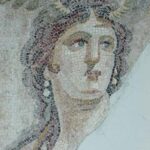 Tethys
In the hierarchy of the Muses, Terpsichore is often considered one of the most important, especially in the context of the performing arts. The Greeks believed that she was responsible for guiding dancers, helping them to express their emotions and tell stories through movement. Her influence extended beyond mere performance; she was also seen as a symbol of harmony and balance, reflecting the connection between the body and the spirit. This duality made her an essential figure for artists and performers in ancient Greece.
Attributes and Symbols of Terpsichore
Terpsichore is often represented in art and literature with various symbols that reflect her association with dance and music. One of her most common attributes is the lyre, a stringed musical instrument that was widely used in ancient Greece. The lyre symbolizes the harmony between music and movement, essential elements of dance. Artists would often depict her holding the lyre, surrounded by dancers, to illustrate her role in inspiring artistic expression.
- Lyre: Represents music and harmony.
- Dancing Figures: Often shown with other dancers, emphasizing her influence on the art of dance.
- Flowing Robes: Symbolizes grace and elegance, traits associated with both Terpsichore and dance.
In addition to the lyre, Terpsichore is sometimes portrayed with a scroll or book, symbolizing knowledge and the teaching aspect of dance. This representation highlights the idea that dance is not only an art form but also a discipline that requires learning and practice. The scroll may contain instructions for various dance movements or compositions, further emphasizing her role as a guide and mentor for dancers.
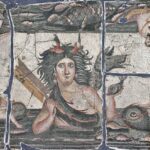 Thalassa
Terpsichore in Literature and Art
The influence of Terpsichore extends into various forms of literature and art throughout history. Ancient poets often invoked her name in their works, calling upon her inspiration to enhance their descriptions of dance and performance. The Homeric Hymns, a collection of ancient Greek hymns, includes references to the Muses, and Terpsichore is frequently mentioned in the context of celebrations and festivities that involve dance.
In visual arts, Terpsichore has been depicted in numerous paintings and sculptures, often alongside her fellow Muses. Artists sought to capture the essence of dance through her imagery, portraying her in dynamic poses that suggest movement and grace. These artworks serve as a testament to the enduring legacy of Terpsichore and the importance of dance in Greek culture.
Modern Interpretations of Terpsichore
In contemporary times, the legacy of Terpsichore continues to resonate within the world of dance and the performing arts. Many dance companies and schools honor her spirit by incorporating her name into their titles or themes. Festivals celebrating dance often invoke her influence, recognizing her as a source of inspiration for dancers and choreographers alike. This connection to Terpsichore serves to remind modern audiences of the deep historical roots of dance and its significance in human expression.
 Thalia
- Dance Festivals: Events celebrating dance often pay homage to Terpsichore.
- Schools of Dance: Many institutions draw inspiration from her legacy in their curricula.
- Choreography: Modern choreographers often cite the Muses as sources of inspiration for their works.
Moreover, Terpsichore’s influence can be seen in various forms of popular culture, including theater, film, and music. The idea of a Muse as a source of inspiration for artists has permeated modern storytelling, often leading to the portrayal of characters who embody her spirit. In this way, Terpsichore remains a vital figure in the ongoing narrative of creativity and artistic expression.
The Role of Dance in Ancient Greek Society
Dance played a crucial role in ancient Greek society, serving as a means of communication and expression. It was an integral part of religious rituals, theatrical performances, and social gatherings. Terpsichore, as the Muse of dance, was believed to bless these activities, ensuring that they were filled with joy and creativity. The Greeks recognized the power of dance to convey emotions and tell stories, making it a significant aspect of their cultural identity.
In addition to its artistic value, dance also held social significance. It was a way for individuals to come together, fostering community bonds and shared experiences. Festivals often featured dance competitions, where performers showcased their skills in front of judges and audiences. These events were not only entertaining but also served to strengthen communal ties and celebrate cultural heritage.
Types of Dance in Ancient Greece
Ancient Greek dance was diverse, encompassing various styles and forms. Each type of dance served different purposes and was performed in different contexts. Some of the most notable types of dance included:
- Religious Dances: Performed during rituals to honor the gods, these dances were often accompanied by music and were meant to invoke divine favor.
- Theatrical Dances: Integral to Greek theater, these dances helped convey the emotions and themes of plays, enhancing the overall performance.
- Social Dances: Performed during gatherings and celebrations, these dances allowed communities to come together and celebrate important events.
Each of these dance forms was influenced by the spirit of Terpsichore, who guided dancers in their movements and expressions. The significance of dance in ancient Greece cannot be overstated; it was a medium through which individuals could connect with the divine, express their emotions, and strengthen social bonds.
Terpsichore’s Legacy in the Arts
The legacy of Terpsichore extends beyond the confines of ancient Greece, influencing countless artists and performers throughout history. Her embodiment of dance and artistic expression has inspired numerous works in literature, visual arts, and performing arts. The concept of the Muse as a source of inspiration continues to resonate with artists, who often seek a guiding figure to help them unlock their creative potential.
In the realm of literature, Terpsichore has been referenced by poets and playwrights who recognize her role in inspiring the beauty of movement and expression. Writers often evoke her spirit to enhance their descriptions of dance, portraying it as a divine and transformative experience. This literary homage serves to keep her memory alive and relevant in the world of artistic expression.
Influence on Contemporary Dance
In contemporary dance, the influence of Terpsichore can be seen in the way dancers approach their art. Many choreographers draw inspiration from her legacy, creating works that celebrate the joy and beauty of movement. The exploration of dance as a means of storytelling and emotional expression reflects the ideals that Terpsichore embodies. Modern dance companies often pay tribute to her through performances that highlight the significance of dance in human experience.
- Choreography: Many contemporary choreographers cite Terpsichore as a source of inspiration for their works.
- Dance Education: Dance schools often teach the historical significance of Terpsichore and the Muses.
- Interdisciplinary Art: Collaborations between dance, theater, and visual arts often invoke the spirit of Terpsichore.
Moreover, Terpsichore’s influence can be observed in popular culture, where dance remains a prominent form of expression. From music videos to stage performances, the spirit of Terpsichore lives on as artists continue to explore the boundaries of movement and creativity. Her legacy serves as a reminder of the enduring power of dance and its ability to connect people across cultures and generations.
Conclusion: The Enduring Spirit of Terpsichore
In the grand tapestry of Greek mythology, Terpsichore stands out as a symbol of creativity, joy, and the transformative power of dance. Her influence has transcended time, inspiring countless generations of artists, dancers, and performers. As the Muse of dance, she embodies the essence of movement, reminding us of the beauty and significance of artistic expression in our lives. Through her legacy, we continue to celebrate the art of dance, honoring the spirit of Terpsichore in our own creative endeavors.