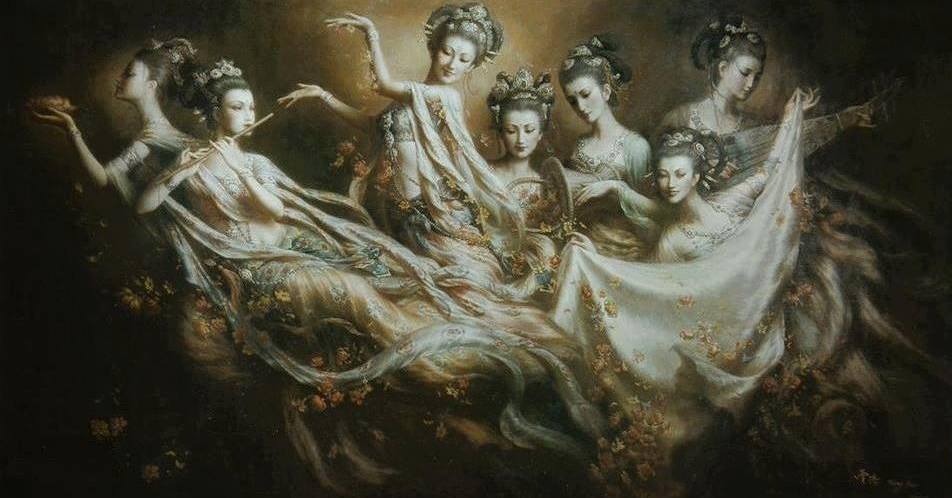
Indraja is a significant figure in Lithuanian mythology, representing the essence of life and the connection between the earthly and the divine. In Lithuanian culture, mythology plays a vital role in understanding nature, human existence, and the cosmos. Indraja is often depicted as a goddess who embodies fertility, love, and the cycle of life. Her stories are intertwined with the natural world, emphasizing the importance of harmony and balance. This article explores the various aspects of Indraja, her role in mythology, and her influence on Lithuanian culture.
The Origins of Indraja
The origins of Indraja can be traced back to ancient times when the early Lithuanians worshipped various deities connected to nature and life. Indraja is often associated with the earth and fertility, which reflects the agricultural society of Lithuania. As a goddess, she was revered for her ability to provide sustenance and ensure a bountiful harvest. The early worshippers believed that by honoring Indraja, they could secure favorable conditions for their crops and livestock.
 Gyvate
Many tales describe how Indraja was born from the union of the earth and sky, symbolizing the interconnectedness of all living things. This mythological birth narrative emphasizes her role as a nurturing figure who brings life to the world. The ancient Lithuanians often held rituals and ceremonies in her honor, hoping to gain her favor and blessings. These practices were not just about agriculture but also about fostering a deep respect for nature and its cycles.
Indraja’s Attributes and Symbols
Indraja is often depicted with various symbols that represent her powers and attributes. One of the most common symbols associated with her is the earth, which signifies her connection to fertility and growth. The goddess is often shown surrounded by lush greenery, flowers, and fruits, illustrating her role in nurturing life. Additionally, she may be depicted with animals, particularly those associated with agriculture, such as cows and birds.
Another important symbol of Indraja is the moon. In many cultures, the moon is linked to femininity and fertility, and in Lithuanian mythology, it enhances Indraja’s connection to these themes. The phases of the moon are believed to influence agricultural activities, and thus, Indraja’s association with the moon highlights her importance in the agricultural calendar. This duality of earth and moon illustrates the balance that Indraja embodies in the natural world.
 Giraitis
Indraja in Myths and Legends
Indraja appears in numerous myths and legends that illustrate her role in the lives of the Lithuanian people. One popular story tells of how she descended from the heavens to bless the earth with her presence. In this tale, she walks among the fields, touching the soil and bringing forth life. Farmers would often pray to Indraja before planting their seeds, believing that her blessings would ensure a successful harvest.
Another legend speaks of a great drought that struck the land, causing suffering among the people. In their desperation, the villagers called upon Indraja for help. Moved by their plight, she descended from the heavens, bringing with her the rains that revitalized the earth. This story not only showcases her power over nature but also emphasizes her role as a compassionate figure who cares for her followers.
List of Myths Involving Indraja
- The Blessing of the Fields
- The Drought and the Rain
- Indraja and the Seasons
- The Union of Earth and Sky
Each of these myths serves to reinforce the cultural values of the Lithuanian people, highlighting their connection to the land and their dependence on natural cycles. Indraja is more than just a goddess; she is a symbol of the agricultural life that sustains the community. Through these stories, the importance of respecting nature and living in harmony with it is passed down through generations.
 Giltine
Rituals and Worship
The worship of Indraja involved various rituals and practices that were deeply embedded in the agricultural calendar. One of the most significant rituals was the spring planting ceremony, where farmers would gather to honor Indraja before beginning their planting season. They would prepare offerings of bread, milk, and flowers, placing them at the base of sacred trees or stones. This act was seen as a way to invite her blessings for a fruitful harvest.
During the summer solstice, festivals were held to celebrate Indraja and the bounty of the earth. These festivities included singing, dancing, and feasting, with the community coming together to express their gratitude for the goddess’s gifts. The rituals were not only a form of worship but also a way to strengthen social bonds within the community. Through these gatherings, the people reaffirmed their connection to Indraja and to one another.
Indraja’s Influence on Culture and Art
Indraja’s presence in Lithuanian mythology has significantly influenced the country’s culture and art. Artists and writers have drawn inspiration from her stories, depicting her in various forms of creative expression. Traditional crafts, such as weaving and pottery, often feature motifs associated with Indraja, reflecting her importance in everyday life. These artistic representations serve as a reminder of the deep-rooted beliefs and values of the Lithuanian people.
Moreover, Indraja’s influence extends to literature, where her character is often explored in poems and stories. Writers use her as a symbol of resilience and nurturing, embodying the spirit of the land and its people. Her narratives resonate with themes of love, sacrifice, and the interconnectedness of life, making her a timeless figure in Lithuanian cultural identity.
Forms of Artistic Expression Inspired by Indraja
- Traditional Weaving
- Pottery Designs
- Folklore and Poetry
- Paintings and Sculptures
Through these various forms of artistic expression, the legacy of Indraja continues to thrive, connecting modern Lithuanians with their rich cultural heritage. The goddess serves as a bridge between the past and the present, reminding people of their roots and the importance of nature in their lives.
Indraja in Modern Times
In contemporary Lithuania, the figure of Indraja remains relevant, as many people still feel a strong connection to their mythology and traditions. Festivals celebrating the changing seasons often include references to Indraja, reinforcing the cultural significance of her character. Modern Lithuanians recognize the importance of nature and the environment, echoing the values that Indraja embodies.
Additionally, there has been a resurgence of interest in folklore and mythology among younger generations. This revival includes storytelling events, workshops, and community gatherings that focus on the rich tapestry of Lithuanian myths. Indraja’s stories are shared in these settings, fostering a sense of identity and continuity among the people. This interest in mythology not only preserves cultural heritage but also encourages a deeper appreciation for the natural world.
The Legacy of Indraja
The legacy of Indraja is deeply embedded in the cultural fabric of Lithuania. As a symbol of fertility, love, and the cycles of life, she represents the values that have shaped Lithuanian society for centuries. Her stories and attributes continue to resonate with people today, reminding them of the importance of living in harmony with nature and one another. The rituals and traditions surrounding Indraja reflect a profound respect for the earth and its resources, a sentiment that is increasingly relevant in our modern world.
Through education, art, and community engagement, the stories of Indraja are passed down, ensuring that future generations remain connected to their heritage. The goddess serves as a reminder of the strength and resilience of the Lithuanian people, as well as their deep-rooted connection to the land. In a time when environmental concerns are paramount, Indraja’s legacy inspires individuals to cherish and protect the natural world.