
Alka is a fascinating figure in Lithuanian mythology. This mythical character is often associated with the elements of nature and the cycle of life. The tales of Alka are deeply rooted in the traditions of the Lithuanian people and reflect their connection to the land, the seasons, and the natural world. The stories surrounding Alka vary, but they consistently highlight themes of transformation, harmony, and the importance of respecting nature.
Origins of Alka
The origins of Alka can be traced back to ancient times when the Lithuanian people practiced animism. This belief system emphasized the idea that all elements of nature possess a spirit. Alka is often viewed as a spirit of the forest or a guardian of the wilderness. In many stories, Alka is depicted as a beautiful woman who embodies the essence of nature. Her character serves as a reminder of the deep bond that exists between humans and the natural world.
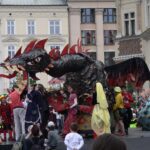 Aitvaras
In Lithuanian folklore, Alka is also associated with fertility and the growth of crops. She is seen as a protector of the fields and is often invoked during planting and harvest seasons. The agricultural practices of the Lithuanians are intertwined with the reverence for Alka, showcasing the significance of nature in their daily lives. This connection emphasizes the importance of sustainability and respect for the environment.
Symbolism of Alka
Alka symbolizes various aspects of life, including growth, renewal, and transformation. Her character represents the cyclical nature of existence, where death leads to rebirth. This cycle is evident in the changing seasons, where winter gives way to spring, bringing new life and growth. Alka’s presence in these cycles serves as a reminder of the interconnectedness of all living things.
Additionally, Alka embodies the spirit of the forest. She is often depicted surrounded by trees, flowers, and animals, emphasizing her role as a guardian of the natural world. The forests of Lithuania are rich in biodiversity, and Alka is seen as a protector of this wealth. Her stories often involve her interactions with various creatures, highlighting the harmony that exists within nature.
 Žvaigždės
Legends and Tales of Alka
Numerous legends feature Alka, each offering a unique perspective on her character and significance. One popular tale describes how Alka came to be the guardian of the forest. According to the story, she was once a mortal woman who dedicated her life to caring for the land. Her selflessness and love for nature caught the attention of the gods, who transformed her into a spirit of the forest. This legend emphasizes the idea that one’s actions can lead to a greater purpose, highlighting the importance of stewardship of the earth.
Another well-known tale involves Alka helping a group of lost travelers. In this story, the travelers wandered into the forest, unsure of their way. Alka appeared to them, guiding them back to safety. She provided them with food and shelter, demonstrating her nurturing qualities. This legend reinforces the idea that nature can be both a source of danger and a sanctuary, depending on how it is treated by humans.
 Žemyna
Alka and Nature Worship
Alka plays a significant role in the nature worship practices of the Lithuanian people. Her character embodies the spirit of the land, and many rituals are performed in her honor. These rituals often involve offerings of food, flowers, and other gifts to appease her spirit and seek her blessings for a bountiful harvest. Such practices are a testament to the deep respect Lithuanians have for nature and the belief that all elements of the earth are interconnected.
One common ritual involves gathering in the forest during specific times of the year, particularly during the spring equinox and autumn harvest. Participants sing songs, tell stories about Alka, and express gratitude for the abundance of nature. These gatherings foster a sense of community and reinforce the cultural identity of the Lithuanian people, as they come together to celebrate their connection to the land.
Alka in Modern Culture
In contemporary Lithuania, Alka remains a significant symbol of nature and cultural heritage. Many artists, writers, and musicians draw inspiration from her stories, incorporating her essence into their works. This resurgence of interest in Lithuanian mythology reflects a growing awareness of the importance of preserving cultural traditions and the environment. Alka serves as a reminder of the rich history of the Lithuanian people and their enduring connection to nature.
Moreover, various festivals and events celebrate Alka and other figures from Lithuanian mythology. These events often include traditional music, dance, and storytelling, providing a platform for the younger generation to learn about their heritage. By keeping the stories of Alka alive, the Lithuanian people ensure that future generations understand the value of nature and the lessons that can be learned from their ancestors.
The Role of Alka in Lithuanian Festivals
Alka’s presence is particularly felt during seasonal festivals, where her influence is celebrated through various rituals. One such festival is the Užgavėnės, which marks the end of winter and the beginning of spring. During this time, people engage in festivities that honor nature’s rebirth. Alka is invoked to bless the land and ensure a fruitful growing season. The colorful masks and costumes worn during these celebrations reflect the joy and anticipation of the coming season.
Another important festival is the Jūratė and Kastytis festival, which honors the bond between the earth and the sea. During this event, stories of Alka are shared, highlighting her role as a protector of both land and water. Participants often create offerings and place them in natural bodies of water as a sign of respect and gratitude. This festival showcases the harmonious relationship between different elements of nature and the importance of maintaining balance.
Alka and Environmental Awareness
The stories of Alka can also serve as powerful tools for promoting environmental awareness. As society faces various environmental challenges, the tales of Alka remind us of the importance of caring for our planet. Her character embodies the principles of sustainability, urging people to live in harmony with nature. By drawing on the wisdom of these ancient stories, modern society can learn valuable lessons about conservation and stewardship.
In recent years, various organizations in Lithuania have begun incorporating the mythology of Alka into their environmental campaigns. These initiatives aim to educate the public about the importance of protecting natural resources and preserving biodiversity. By connecting these modern efforts with traditional stories, the message resonates more deeply with the community, encouraging collective action toward a healthier planet.
Alka as a Cultural Icon
Alka has become a cultural icon in Lithuania, representing not only the spirit of nature but also the resilience and strength of the Lithuanian people. Her stories are often shared in schools, ensuring that children grow up with an understanding of their cultural heritage. The tales of Alka serve as a bridge between the past and the present, reminding people of their roots and the importance of maintaining a connection to their ancestry.
Furthermore, Alka’s influence extends beyond folklore and into various forms of artistic expression. Many contemporary artists use her image and stories to create paintings, sculptures, and other works that celebrate the beauty of nature. This artistic interpretation helps to keep the spirit of Alka alive in the modern world, encouraging people to appreciate the environment and the stories that shape their identity.
Alka is a vital figure in Lithuanian mythology, representing the connection between humans and nature. Her stories reflect the cultural values of the Lithuanian people, emphasizing the importance of respect, harmony, and sustainability. Through various legends, rituals, and modern interpretations, Alka continues to inspire individuals to cherish the natural world and recognize the significance of their cultural heritage.