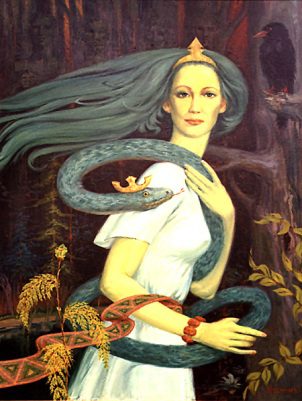
Egle is a significant figure in Lithuanian mythology, representing not only the essence of nature but also the intricate connections between humans and the natural world. Her story is rich with themes of love, sacrifice, and transformation, reflecting the cultural values of the Lithuanian people. Egle is often depicted as a beautiful young woman, embodying the vitality and strength of the earth. Her narrative intertwines with various mythical beings, including serpents and other creatures, making her tale a captivating part of Lithuanian folklore.
The Origin of Egle
The origins of Egle can be traced back to ancient Lithuanian beliefs, where she is often seen as a symbol of fertility and renewal. According to the legends, Egle was born into a humble family, surrounded by the lush forests and rivers of Lithuania. Her beauty and grace captured the attention of many, but it was her connection to the natural world that truly set her apart. Egle was said to have the ability to communicate with plants and animals, which made her a revered figure among her people.
 Perkunas
As a child, Egle spent her days wandering through the woods, learning the secrets of the earth. She understood the importance of the seasons and the cycles of life, which made her a protector of nature. The stories suggest that Egle’s deep connection to the land was not only a blessing but also a responsibility, as she was destined to face challenges that would test her spirit and strength.
The Encounter with the Serpent
The most famous part of Egle’s story involves her encounter with a serpent, a creature often associated with transformation and rebirth in many mythologies. According to the legend, while Egle was bathing in a river, a serpent emerged from the water and approached her. This serpent, however, was not an ordinary creature; it was a prince cursed to live as a serpent until he could find true love. Egle was initially frightened but soon realized that the serpent was not there to harm her.
 Dimstipatis
The serpent, who introduced himself as Žilvinas, spoke to Egle with kindness and charm. He expressed his love for her and promised to protect her from harm. Egle, captivated by his words, began to develop feelings for him. Their love story blossomed, transcending the boundaries between human and mythical beings. This relationship highlights the theme of love conquering obstacles, as Egle chose to embrace her feelings despite the societal norms of her time.
The Wedding and Transformation
As their love grew, Egle and Žilvinas decided to marry. However, this union came with its challenges. Egle had to face her family’s disapproval and the skepticism of her community. Many could not understand how she could love a serpent. Despite this, Egle remained steadfast in her commitment to Žilvinas. Their wedding was a grand affair, celebrated by both humans and mythical beings, symbolizing the merging of two worlds.
After their marriage, Žilvinas revealed his true form to Egle, transforming back into a handsome prince. This transformation is symbolic of the power of love to bring forth change and healing. Egle’s acceptance of Žilvinas for who he truly was, regardless of his appearance, reinforces the idea that true beauty lies within. Their union not only brought happiness to Egle but also restored Žilvinas to his rightful place in the world.
 Dievas
The Trials and Tribulations
However, the story of Egle did not end with a happily ever after. The couple faced numerous trials that tested their love and commitment. One of the most significant challenges arose when Egle’s mother demanded that she return to her family for a visit. Egle, torn between her love for Žilvinas and her loyalty to her family, agreed to go back. This decision led to unforeseen consequences that would change the course of her life forever.
During her visit, Egle’s mother revealed the truth about her origins and the nature of her marriage. She warned Egle that the world of humans and mythical beings was fraught with danger, and that her love for Žilvinas could lead to tragedy. This revelation created a sense of fear and doubt in Egle’s heart, forcing her to question her choices. The conflict between her love for Žilvinas and her familial obligations illustrates the struggle many face when navigating personal desires and societal expectations.
The Betrayal and Consequences
As Egle grappled with her feelings, a tragic turn of events unfolded. Influenced by her mother’s fears, Egle ultimately betrayed Žilvinas by revealing his true identity to the world. This act of betrayal had dire consequences, as it not only jeopardized their relationship but also placed Žilvinas in great danger. The serpent prince was forced to flee, and Egle was left alone, filled with regret for her actions. This part of the story emphasizes the importance of loyalty and trust in relationships.
The betrayal marked a turning point in Egle’s life. She realized the weight of her choices and the impact they had on those she loved. In her heart, she longed for reconciliation and redemption, but the path to healing was fraught with challenges. Egle’s journey became one of self-discovery, as she sought to understand the consequences of her actions and find a way to mend the broken bond with Žilvinas.
The Quest for Redemption
Determined to make amends, Egle embarked on a quest to find Žilvinas. Her journey took her through enchanted forests, mystical rivers, and ancient mountains. Along the way, she encountered various mythical beings who tested her resolve and offered guidance. Each encounter taught Egle valuable lessons about love, sacrifice, and the interconnectedness of all living things. This quest symbolizes the universal journey of seeking forgiveness and the courage to face one’s mistakes.
Egle’s determination to find Žilvinas illustrated her growth as a character. She transformed from a young woman torn between two worlds into a courageous figure willing to confront her past. The trials she faced during her quest served as a metaphor for the struggles individuals encounter in their pursuit of love and acceptance. Egle’s journey reflects the idea that true redemption often requires facing one’s fears and making difficult choices.
The Reunion and Healing
After what felt like an eternity, Egle finally found Žilvinas. Their reunion was filled with emotion, as both had endured pain and heartache due to the separation. Egle expressed her remorse for her betrayal, acknowledging the hurt she had caused. Žilvinas, understanding the complexities of love and forgiveness, welcomed her back with open arms. This moment marked a significant turning point in their relationship, as they both recognized the strength of their bond.
The healing process was not instantaneous, but it was a journey they took together. Egle and Žilvinas learned to communicate openly, rebuilding the trust that had been broken. Their love grew stronger as they faced the challenges of their unique relationship, proving that love can withstand trials when nurtured with understanding and patience. The reunion symbolizes the power of love to overcome obstacles and the importance of forgiveness in any relationship.
The Legacy of Egle
Egle’s story has transcended generations, becoming a cherished part of Lithuanian culture and mythology. Her tale is often told as a reminder of the deep connections between humans and nature, as well as the importance of love and loyalty. Egle is celebrated in various forms of art, literature, and festivals, where her legacy continues to inspire people. The story serves as a reminder that even in the face of adversity, love can prevail and lead to personal growth and transformation.
In Lithuanian folklore, Egle is not just a character; she represents the spirit of the land, embodying the essence of nature and the cycles of life. Her narrative reflects the values of resilience, compassion, and the interconnectedness of all living beings. The themes present in Egle’s story resonate with people from all walks of life, making her an enduring symbol of hope and love.
The Cultural Significance of Egle
Egle’s story holds significant cultural importance in Lithuania, serving as a bridge between the past and present. It reflects the ancient beliefs of the Lithuanian people, who revered nature and its mysteries. Egle is often associated with various natural elements, such as trees, rivers, and animals, reinforcing the idea that humans are part of a larger ecosystem. Her narrative encourages a harmonious relationship with nature, reminding individuals of their responsibility to protect the environment.
Furthermore, Egle’s tale is a source of inspiration for contemporary artists, writers, and musicians. Many have drawn from her story to create works that explore themes of love, identity, and the human experience. This cultural revival highlights the importance of preserving traditional stories and the lessons they impart. Egle’s legacy continues to thrive in modern society, proving that ancient myths can still resonate with contemporary audiences.
Conclusion: The Enduring Tale of Egle
The story of Egle is a powerful testament to the enduring nature of love, sacrifice, and redemption. Through her journey, we are reminded of the importance of staying true to ourselves and the connections we forge with others. Egle’s narrative serves as a guide for navigating the complexities of relationships, encouraging us to embrace love and forgiveness. Her legacy is a celebration of the beauty of life, the mysteries of nature, and the transformative power of love.
As we reflect on Egle’s tale, we are reminded that every challenge can lead to growth, and every love story is worth telling. Egle’s journey is a timeless reminder that, in the end, love and connection are what truly matter in our lives.