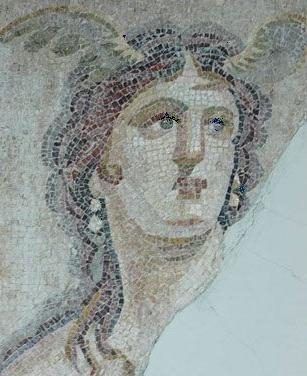
Tethys is a significant figure in Greek mythology, often associated with the sea and water. She is one of the Titans, the elder gods who ruled before the Olympians. Tethys is the daughter of Uranus (the sky) and Gaia (the earth), making her a primordial deity. She embodies the nourishing and life-giving aspects of water, contrasting with the more chaotic elements of the sea. Tethys is primarily known as the wife of Oceanus, the Titan god of the ocean, and together they are considered the parents of many river gods and ocean nymphs. Her character represents the vastness and fertility of the ocean, highlighting the importance of water in the ancient Greek world.
The Role of Tethys in Greek Mythology
Tethys plays a crucial role in Greek mythology, particularly in relation to the other Titans and the Olympian gods. As a Titaness, she is part of the generation of gods that existed before the well-known Olympian gods like Zeus and Hera. Tethys is often depicted as a nurturing figure, providing sustenance and life through her waters. In mythology, she is associated with the nurturing qualities of the sea, serving as a mother figure to many aquatic deities. Her significance is not only in her relationship with Oceanus but also in her role as a source of life and fertility.
 Thalassa
Her union with Oceanus is a central aspect of her mythology. Together, they are believed to have given birth to the Oceanids, who are the sea nymphs and represent various bodies of water. The Oceanids are often depicted as beautiful maidens who personify different aspects of the sea, such as waves, currents, and the depths of the ocean. This vast family of nymphs emphasizes Tethys’s importance as a mother figure, further establishing her role in the mythological hierarchy. In many stories, she is seen as a benevolent and nurturing presence, reflecting the positive aspects of the ocean.
The Oceanids: Daughters of Tethys
The Oceanids are a group of three thousand nymphs that Tethys and Oceanus are said to have sired. These nymphs inhabit various bodies of water, including rivers, springs, and the vast ocean. Each Oceanid has her unique characteristics and attributes, often reflecting the nature of the water they represent. For instance, some are associated with calm waters, while others embody the tumultuous and unpredictable aspects of the sea. This diversity showcases Tethys’s ability to give life and nurture a wide range of aquatic beings.
- Metis – Known for her wisdom, she is often associated with the idea of cunning and resourcefulness.
- Galatea – A beautiful Oceanid who is often depicted in love stories, particularly in relation to the mortal Acis.
- Amphitrite – Although often associated with Poseidon, she is sometimes considered one of the Oceanids.
The Oceanids also played a significant role in various myths and stories. They were often called upon by the gods for assistance, guidance, or to intervene in the affairs of mortals. Their presence in the mythology signifies the importance of water and its connection to the divine. Tethys, as their mother, is often seen as the source of their beauty and power. This maternal aspect of Tethys reinforces her significance in the pantheon of Greek deities, highlighting her role as a life-giver and nurturer.
 Thalia
Tethys in Literature and Art
Tethys has been depicted in various works of literature and art throughout history. Ancient poets such as Hesiod and Homer mentioned her in their writings, showcasing her importance in the mythological narrative. In Hesiod’s “Theogony,” Tethys is described as a nurturing figure, emphasizing her role as a mother to the Oceanids. This text is one of the primary sources of information about the Titans and their relationships, providing insight into Tethys’s character and her significance in the mythological hierarchy.
In visual art, Tethys has been represented in various forms, often depicted as a majestic figure emerging from the waves. Artists have portrayed her with flowing hair and a serene expression, embodying the beauty and tranquility of the sea. Many paintings and sculptures highlight her connection to the ocean, emphasizing her role as a goddess of the waters. These artistic representations serve to reinforce her significance in the mythology and the reverence ancient Greeks held for the natural world.
Famous Works Featuring Tethys
One notable example of Tethys in art is the frescoes found in ancient Roman villas, where she is often depicted alongside Oceanus. These frescoes celebrate the beauty of the ocean and the divine beings associated with it. Additionally, during the Renaissance, artists revisited classical themes, and Tethys became a subject of interest. Artists like Peter Paul Rubens and Giorgione created works that highlighted her beauty and connection to the sea.
 Thamyris
- Rubens’ “The Birth of Venus” – While primarily focused on Venus, Tethys’s influence is felt in the portrayal of water and its life-giving qualities.
- Giorgione’s “The Tempest” – The mysterious atmosphere of the painting reflects the chaotic and serene aspects of the sea, reminiscent of Tethys’s dual nature.
- Various Roman mosaics – These often depict scenes from mythology where Tethys and Oceanus are present, celebrating their role in the natural world.
These artistic representations serve not only as a means of honoring Tethys but also as a way to connect with the natural elements she embodies. The beauty of the ocean, its power, and its nurturing qualities are all encapsulated in these works, reinforcing the significance of Tethys in both mythology and art.
The Symbolism of Tethys
Tethys symbolizes many aspects of water and nature. She represents the nurturing and life-giving qualities of the ocean, highlighting its importance in sustaining life. In ancient Greece, water was essential for agriculture, transportation, and trade. As a goddess of the sea, Tethys embodies the bounty and fertility that water brings to the land. Her association with the Oceanids further emphasizes this connection, as they personify various aspects of water and its role in the ecosystem.
Additionally, Tethys’s character can be seen as a reflection of the ancient Greeks’ understanding of nature. They viewed water as a vital force, essential for life and growth. Tethys, as a nurturing figure, symbolizes the balance between the chaos of the sea and the tranquility of its waters. This duality is crucial in understanding her role in mythology and her significance in the lives of the ancient Greeks.
Key Symbolic Aspects of Tethys
- Motherhood – Tethys is often seen as a maternal figure, symbolizing care and nurturing.
- Fertility – Her waters are associated with growth and sustenance, highlighting the importance of water in agriculture.
- Balance – She embodies the balance between chaos and tranquility, representing the dual nature of the sea.
The symbolism of Tethys extends beyond her immediate mythology. She represents the ancient Greeks’ reverence for the natural world and their understanding of the interconnectedness of all life. Her character serves as a reminder of the importance of water and its role in sustaining life, reinforcing the idea that nature is both beautiful and powerful.
Tethys in Modern Culture
Even today, Tethys’s influence can be seen in modern culture, particularly in literature, art, and popular media. Her character has inspired various interpretations and adaptations, showcasing her enduring significance. In contemporary literature, authors often draw upon mythological themes, and Tethys is occasionally referenced as a symbol of nature and nurturing. Her character serves as a reminder of the importance of water and the need to respect and protect our natural resources.
In art, Tethys continues to be a subject of interest for many artists. Her representation in various forms, such as paintings, sculptures, and installations, highlights her enduring legacy. Modern artists often explore themes of nature, femininity, and the environment through the lens of Tethys, showcasing her relevance in today’s world. This connection to contemporary issues emphasizes the importance of mythology in understanding our relationship with nature.
Modern References to Tethys
- Literature – Many authors incorporate mythological references in their works, with Tethys symbolizing nature and nurturing.
- Film and Television – Tethys is occasionally referenced in shows and movies that explore mythology and ancient themes.
- Art Exhibitions – Contemporary artists often create works inspired by Tethys, exploring themes of water and femininity.
The modern interpretations of Tethys highlight her significance as a symbol of nature and the environment. As society becomes increasingly aware of the importance of protecting our natural resources, Tethys serves as a reminder of the need to respect and care for the world around us. Her legacy continues to inspire and resonate with people, showcasing the timeless relevance of mythology.
The Legacy of Tethys
Tethys’s legacy is deeply rooted in the mythology and culture of ancient Greece. As a Titaness and goddess of the sea, she embodies the essential qualities of water and its role in sustaining life. Her character has inspired countless stories, artworks, and interpretations throughout history, highlighting her significance in the mythological pantheon. The reverence for Tethys reflects the ancient Greeks’ understanding of nature and their appreciation for the vital force that water represents.
In modern times, Tethys’s legacy continues to resonate with people, serving as a symbol of nurturing, fertility, and the importance of nature. Her influence can be seen in various aspects of culture, from literature to art, showcasing the enduring power of mythology. As society faces challenges related to the environment and natural resources, Tethys serves as a reminder of the need to protect and cherish the world around us.
Continuing Relevance of Tethys
- Environmental Awareness – Tethys’s association with water highlights the importance of protecting our natural resources.
- Mythological Studies – Scholars continue to explore her character and significance in the context of Greek mythology.
- Cultural Adaptations – Modern interpretations of Tethys in various forms of media reflect her enduring legacy.
The ongoing exploration of Tethys in various cultural contexts emphasizes the timeless nature of mythology. Her character serves as a bridge between the past and the present, reminding us of the importance of nurturing our environment and respecting the natural world. Tethys’s legacy is not just a relic of ancient mythology; it is a living testament to the interconnectedness of all life and the enduring power of nature.