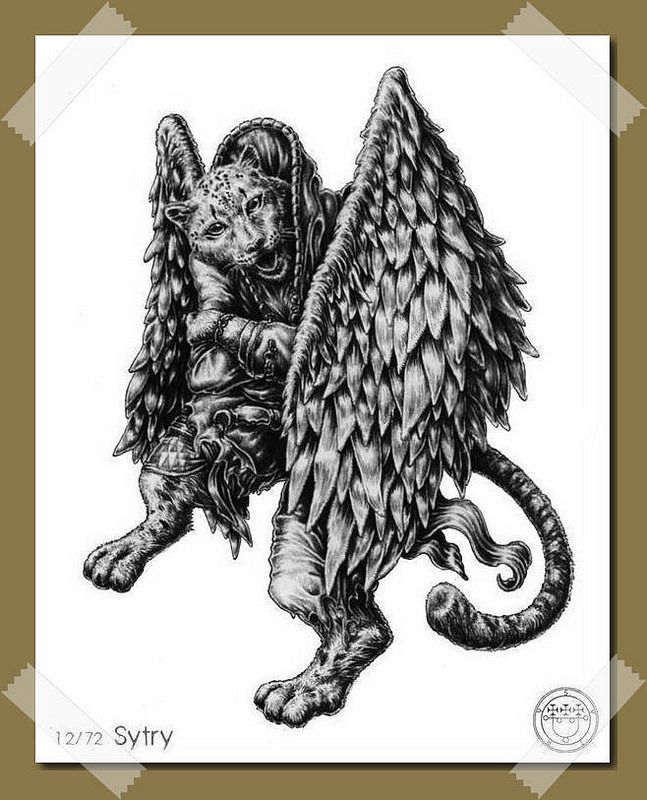
Sytry is a figure often associated with the realm of fallen angels. These beings, once considered to be part of the heavenly host, have fallen from grace and are often depicted in various religious texts and folklore. Sytry, in particular, is noted for his unique characteristics and the role he plays within the hierarchy of fallen angels. His story is rich and complex, filled with themes of redemption, temptation, and the struggle between good and evil.
The Origins of Sytry
To understand Sytry, we must first delve into his origins. According to various texts, Sytry is believed to have been a high-ranking angel before his fall. His name is often associated with knowledge and wisdom, suggesting that he possessed profound understanding and insight into the divine order. The exact reasons for his fall are debated among scholars, but many agree that it was linked to his desire for power and influence.
 Uzza
UzzaIn some accounts, Sytry is described as a seraph, one of the highest orders of angels. Seraphim are typically depicted as fiery beings who are closest to God. This position would have given Sytry a significant amount of authority and responsibility in the heavenly realm. However, as the narrative goes, his ambition led him to challenge the established order, ultimately resulting in his expulsion from heaven.
The Characteristics of Sytry
Sytry is often portrayed with distinct characteristics that set him apart from other fallen angels. He is frequently depicted as a handsome figure, embodying the qualities of allure and charm. This physical attractiveness can be seen as a metaphor for the deceptive nature of temptation. His appearance often belies his true intentions, making him a figure of both fascination and fear.
In addition to his physical traits, Sytry is also associated with various powers and abilities. He is believed to have the capacity to grant knowledge and insight to those who seek it. This ability to impart wisdom can be both a blessing and a curse, as it can lead individuals down paths that may not align with their best interests. The duality of his nature is a recurring theme in the stories surrounding him.
 Valac
ValacThe Role of Sytry in Literature
Sytry has appeared in various literary works throughout history, often serving as a symbol of temptation and moral ambiguity. His character is used to explore themes of free will and the consequences of one’s choices. In many stories, he acts as a tempter, leading characters astray with promises of knowledge and power.
One notable example of Sytry’s presence in literature is in the occult texts that discuss fallen angels. These texts often depict him as a cunning figure who offers forbidden knowledge to those willing to forsake their morals. This portrayal reinforces the idea that the pursuit of knowledge can lead to one’s downfall if not approached with caution and integrity.
Sytry in Modern Culture
In modern culture, Sytry’s influence can be seen in various forms of media, including films, television shows, and video games. His character often embodies the archetype of the charismatic villain, someone who captivates audiences with their charm while simultaneously representing a threat. This duality makes him a compelling figure for storytelling, as it reflects the complexities of human nature.
 Valefor
Many contemporary works draw inspiration from Sytry’s story to explore the darker aspects of ambition and desire. Characters inspired by him often grapple with their own moral dilemmas, reflecting the internal struggles faced by individuals in real life. This connection to modern themes ensures that Sytry remains relevant in today’s cultural landscape.
Sytry and the Concept of Redemption
The theme of redemption is central to the narrative surrounding Sytry. Despite his fall from grace, there are interpretations of his story that suggest the possibility of redemption and forgiveness. This idea is particularly appealing to those who believe in the potential for change and growth, even for those who have made grave mistakes.
In various accounts, Sytry is portrayed as a figure who seeks to regain his former status. This quest for redemption often leads him to interact with humans, offering them knowledge in exchange for their loyalty. The dynamic between Sytry and those he encounters raises important questions about the nature of forgiveness and the possibility of atonement.
Sytry’s Influence on Beliefs and Practices
Sytry’s character has also influenced various belief systems and practices, particularly in the realm of the occult. Many practitioners of magic and mysticism view Sytry as a source of wisdom and insight. His association with knowledge makes him a sought-after figure for those seeking to understand the mysteries of the universe.
Rituals and invocations involving Sytry often focus on themes of enlightenment and self-discovery. Practitioners believe that by invoking his name, they can gain access to hidden truths and deeper understanding. This practice highlights the complex relationship between knowledge and power, as well as the potential consequences of seeking such wisdom.
The Legacy of Sytry
The legacy of Sytry continues to resonate through various cultures and belief systems. As a symbol of the fallen angel archetype, he represents the complexities of ambition, desire, and the human condition. His story serves as a reminder of the consequences of choices and the ongoing struggle between light and darkness.
As society evolves, the interpretation of Sytry’s character may shift, reflecting contemporary values and beliefs. However, the core themes associated with him—temptation, knowledge, and the quest for redemption—are likely to endure, ensuring that his legacy remains relevant for generations to come.
Sytry in Art and Symbolism
Artistic representations of Sytry have varied widely across different cultures and time periods. Many artists have depicted him as a symbol of temptation, often illustrating the duality of his character. These artworks frequently capture his alluring appearance while simultaneously hinting at the darkness that lies beneath.
Symbolism plays a significant role in the portrayal of Sytry. Common symbols associated with him include serpents and fire, both of which represent knowledge, transformation, and danger. These elements serve to reinforce the idea that the pursuit of knowledge can be a double-edged sword, offering both enlightenment and potential peril.
Sytry’s Place in the Hierarchy of Fallen Angels
In the hierarchy of fallen angels, Sytry occupies a unique position. He is often considered to be one of the more prominent figures among the fallen, suggesting that he holds a significant amount of influence within this realm. His rank is sometimes debated, but many agree that he is a powerful entity with considerable knowledge and capabilities.
The structure of fallen angels is often depicted as a hierarchy, with various ranks and roles. Sytry’s place within this hierarchy can be seen as both a privilege and a burden. His status grants him power, but it also ties him to the consequences of his fall. This complexity adds depth to his character and reinforces the themes of ambition and the quest for redemption.
Exploring the Psychological Aspects of Sytry
From a psychological perspective, Sytry’s character can be analyzed through the lens of archetypes and human behavior. He embodies the archetype of the trickster, a figure who challenges the status quo and encourages others to question their beliefs. This archetype resonates with individuals who grapple with their own desires and moral dilemmas.
Sytry’s interactions with humans can also be viewed as a reflection of the inner conflicts that individuals face. His ability to tempt and persuade highlights the struggle between one’s higher ideals and base desires. This duality is a common theme in psychology, as it mirrors the ongoing battle between the conscious and unconscious mind.
The Cultural Significance of Sytry
Throughout history, Sytry has held cultural significance in various societies. His character has been used to explore the complexities of human nature and the consequences of ambition. The stories surrounding him serve as cautionary tales, warning against the dangers of unchecked desire and the pursuit of power.
In many cultures, the figure of Sytry has been reinterpreted to reflect contemporary values and beliefs. His legacy continues to evolve, influencing discussions around morality, knowledge, and the human experience. This ongoing cultural relevance ensures that Sytry remains a significant figure in the exploration of fallen angels and their impact on society.
Sytry in Popular Media
In recent years, Sytry has made appearances in popular media, including television shows, movies, and video games. These portrayals often emphasize his charismatic and manipulative nature, showcasing the allure of temptation. This representation resonates with audiences, as it reflects the complexities of human desires and moral choices.
Many modern adaptations draw inspiration from Sytry’s story to explore themes of power, ambition, and the consequences of one’s actions. Characters inspired by him often grapple with their own moral dilemmas, reflecting the internal struggles faced by individuals in real life. This connection to modern themes ensures that Sytry remains relevant in today’s cultural landscape.
The Future of Sytry’s Narrative
As society continues to evolve, the narrative surrounding Sytry is likely to change as well. New interpretations may emerge, reflecting contemporary values and beliefs. However, the core themes associated with him—temptation, knowledge, and the quest for redemption—are likely to endure, ensuring that his legacy remains relevant for generations to come.
In the future, Sytry may be reimagined in ways that challenge existing perceptions and encourage deeper exploration of the human experience. This ongoing evolution of his character reflects the dynamic nature of storytelling and the enduring power of myth in shaping our understanding of the world.