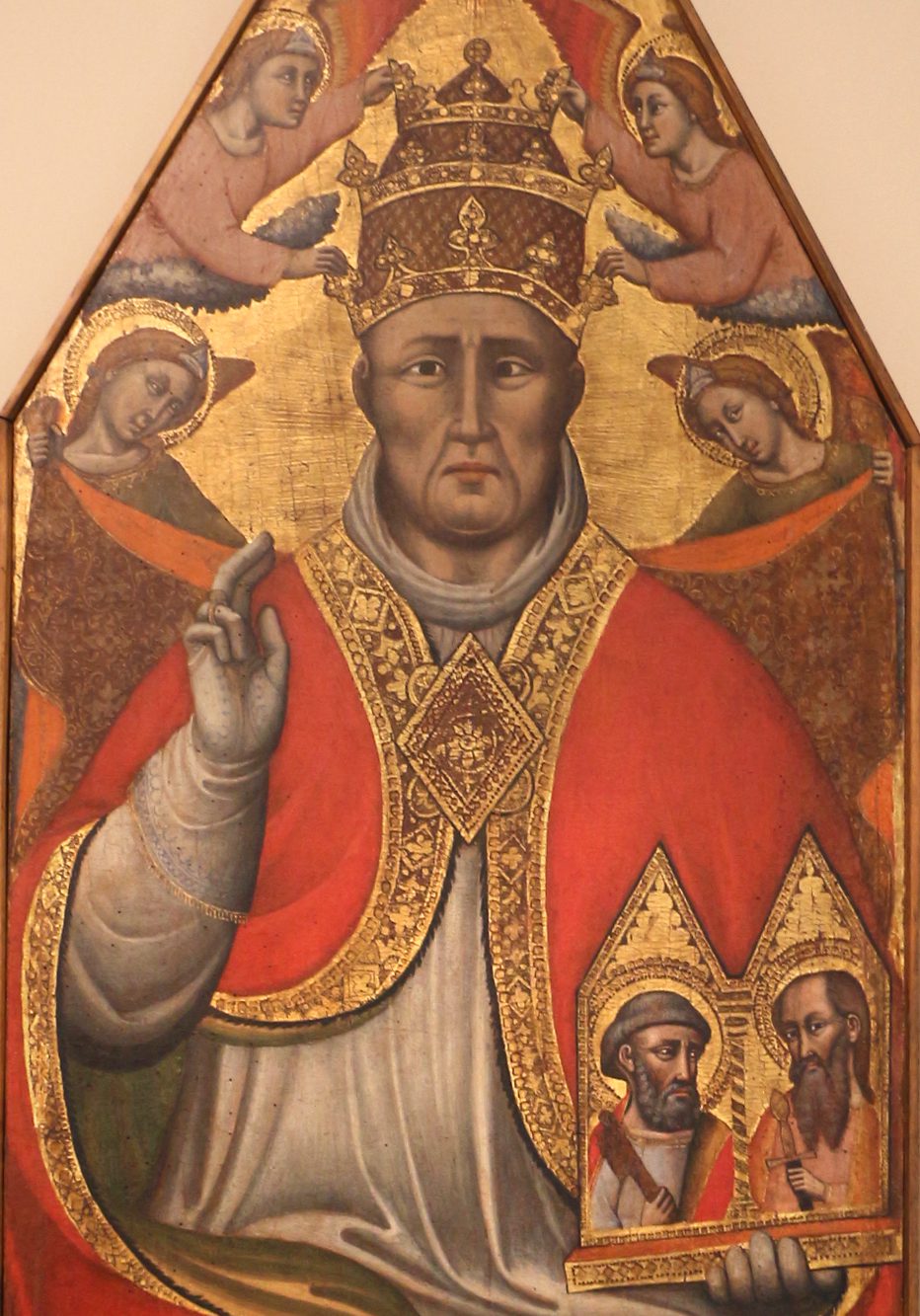
St. Urban V, born as Guillaume de Grimoard in 1310, was a significant figure in the history of the Catholic Church. He became Pope Urban V in 1362 and is remembered for his efforts to reform the Church during a time of great political and spiritual turmoil. His papacy was marked by attempts to address corruption within the Church and to restore its moral authority. Urban V is also known for his dedication to the promotion of education and the arts, as well as his commitment to the welfare of the poor. In Christian mythology, his life and actions hold great significance, as they reflect the ongoing struggle between good and evil within the Church.
The Early Life of St. Urban V
St. Urban V was born in the region of Languedoc in southern France. His early education took place in a Benedictine monastery, where he developed a strong foundation in theology and philosophy. His academic pursuits were marked by a deep commitment to the teachings of Christ and the traditions of the Church. This commitment would later influence his papacy and reform efforts. Urban V was known for his piety and discipline, which earned him respect among his peers and superiors. His early experiences shaped his character and prepared him for the challenges he would face as pope.
After completing his education, Urban V joined the Benedictine order and took on various roles within the monastic community. His dedication to the monastic life was evident, as he sought to live according to the principles of humility and service. He was eventually appointed as the abbot of a monastery, where he continued to focus on the spiritual and moral development of his fellow monks. This period of his life was crucial, as it laid the groundwork for his future leadership in the Church. His commitment to monastic values would later influence his approach to reform as pope.
The Papacy of Urban V
Urban V was elected pope in 1362, a time when the Church faced numerous challenges, including corruption, political strife, and the ongoing effects of the Black Death. His election was seen as a beacon of hope for many Catholics who longed for a return to the Church’s core values. Urban V took the name “Urban” to signify his commitment to urban reform and renewal. His papacy was characterized by a strong desire to restore the Church’s moral authority and to address the issues that plagued it during his time.
 St. Gudula
One of Urban V’s primary goals as pope was to combat the rampant corruption within the Church. He recognized that the moral decay of the clergy had led to a loss of faith among the laity. To address this, he implemented strict measures to ensure that clergy members adhered to a higher standard of conduct. He emphasized the importance of education and spiritual formation for priests, believing that a well-educated clergy would be better equipped to lead their congregations. His commitment to reform earned him both admirers and critics, as some viewed his actions as necessary while others saw them as too radical.
Urban V’s Commitment to Education and the Arts
During his papacy, Urban V placed a strong emphasis on the importance of education and the arts. He believed that a well-educated clergy was essential for the spiritual growth of the Church. To this end, he established educational institutions and encouraged the study of theology, philosophy, and the humanities. Urban V recognized that knowledge was a powerful tool for combating ignorance and fostering a deeper understanding of the faith among both clergy and laity.
In addition to his focus on education, Urban V was also a patron of the arts. He understood that art played a significant role in expressing and conveying religious truths. He commissioned various works of art, including paintings and sculptures, that depicted biblical stories and saints. These artistic endeavors not only beautified the Church but also served as a means of evangelization, helping to educate the faithful about their faith in a visually compelling way. Urban V’s support for the arts contributed to the flourishing of culture during his papacy.
 St. Grimbald
Urban V and the Poor
Urban V was deeply concerned about the welfare of the poor and marginalized in society. He believed that the Church had a responsibility to care for those in need and to advocate for social justice. During his papacy, he implemented various initiatives aimed at providing assistance to the poor, including the establishment of shelters and food distribution programs. Urban V’s commitment to social justice was rooted in the teachings of Christ, who emphasized the importance of caring for the least among us.
In addition to providing direct assistance, Urban V also sought to address the systemic issues that contributed to poverty. He advocated for fair treatment of the poor and worked to raise awareness about their plight. His efforts to promote social justice were met with resistance from some members of the clergy and the nobility, who were more concerned with maintaining their own privileges. Despite these challenges, Urban V remained steadfast in his commitment to serving the poor and advocating for their rights.
Urban V’s Legacy
The legacy of St. Urban V is multifaceted and continues to resonate within the Church today. His commitment to reform, education, and social justice has inspired countless individuals and movements throughout history. Urban V’s papacy serves as a reminder of the importance of integrity and moral authority within the Church. His efforts to combat corruption and promote the welfare of the poor reflect the core values of Christianity, emphasizing the need for compassion and service.
Urban V’s influence extended beyond his lifetime, as his reforms laid the groundwork for future papacies. Many of the principles he championed, such as the importance of education and social justice, have become integral to the mission of the Church. His life and actions serve as a model for contemporary leaders, reminding them of the responsibility they have to uphold the teachings of Christ and to serve those in need.
Urban V in Christian Mythology
In the context of Christian mythology, St. Urban V represents the ongoing struggle between good and evil within the Church. His life is often viewed as a testament to the power of faith and the importance of moral integrity. Urban V’s commitment to reform and social justice serves as a reminder that the Church is called to be a beacon of hope and light in a world filled with darkness. His story encourages believers to remain steadfast in their faith and to advocate for the marginalized and oppressed.
The figure of Urban V has also been interpreted as a symbol of the Church’s capacity for renewal and transformation. His efforts to address corruption and promote education reflect the belief that the Church can overcome its challenges and emerge stronger. In this way, Urban V embodies the hope that is central to the Christian faith, reminding believers that through faith and action, positive change is possible.
Reflections on Urban V’s Life
Reflecting on the life of St. Urban V, it becomes clear that his commitment to reform, education, and social justice was rooted in a deep faith in God. His actions were driven by a desire to live out the teachings of Christ and to serve others with humility and compassion. Urban V’s life challenges us to examine our own commitment to these values and to consider how we can contribute to the betterment of our communities and the world.
As we study the life of Urban V, we are reminded of the importance of integrity and moral authority in leadership. His efforts to combat corruption within the Church serve as a powerful example of the need for accountability and transparency. Urban V’s legacy encourages us to strive for excellence in our own lives and to be advocates for justice and compassion in our interactions with others.
St. Urban V’s life and papacy continue to inspire and challenge us to live out our faith with integrity and purpose. His commitment to education, social justice, and reform serves as a guiding light for those seeking to make a positive impact in the world. As we reflect on his legacy, let us be inspired to embody the values he championed and to advocate for the dignity and well-being of all, especially the poor and marginalized.