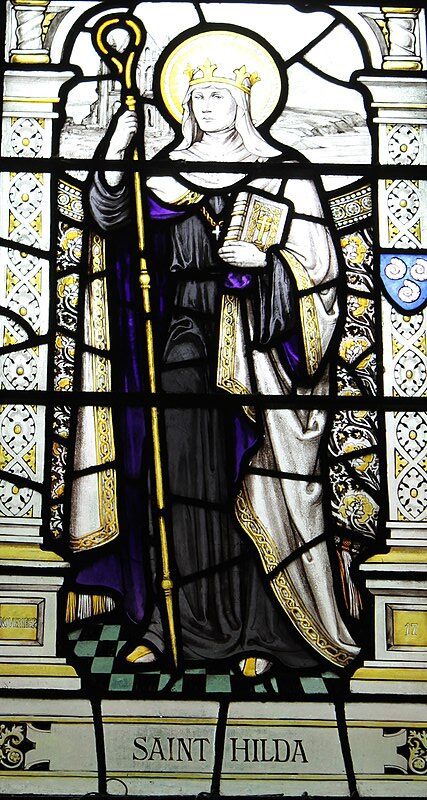
St. Hilda, known for her profound influence on Christianity in early medieval England, was a remarkable figure whose life and contributions have left a lasting legacy. Born around 614 AD in Northumbria, she became one of the most respected abbesses of her time. Her story is woven into the rich tapestry of Christian mythology, reflecting the values and beliefs of early Christians. St. Hilda is often celebrated for her wisdom, leadership, and commitment to education, making her an essential character in the history of the Church in England.
The Early Life of St. Hilda
St. Hilda was born into a noble family, being the daughter of a king named Hereric. Her early life was marked by significant events that shaped her future. At a young age, she was influenced by the teachings of Christianity, which was spreading rapidly throughout Britain. Hilda’s upbringing was not only noble but also spiritually enriching, as her family was closely connected to the Church. This connection would play a pivotal role in her decision to devote her life to God.
 St. Hilary Of Poitiers
At the age of 33, St. Hilda decided to embrace a monastic life. She became a nun at the double monastery of Hartlepool, which was founded by St. Aidan. This monastery was known for its strict adherence to the Rule of St. Benedict, emphasizing prayer, work, and communal living. Hilda’s decision to join the monastery was a significant turning point in her life, as it allowed her to deepen her faith and commit herself fully to serving God and her community.
Hilda’s time at Hartlepool was instrumental in her spiritual development. Under the guidance of the abbess, she learned about the responsibilities of leadership and the importance of education. These lessons would later inform her approach when she became an abbess herself. Hilda’s early experiences laid the foundation for her future role as a leader in the Church and a mentor to many.
St. Hilda as Abbess
After serving at Hartlepool, St. Hilda was appointed as the abbess of the monastery at Whitby, which she would lead for over thirty years. Her tenure at Whitby was marked by growth and innovation, as she transformed the monastery into a prominent center for learning and spirituality. Under her leadership, Whitby became known for its commitment to education, attracting many young men and women eager to learn about the Christian faith.
 St. Hilary Of Arles
St. Hilda’s approach to leadership was characterized by her deep compassion and wisdom. She was known for her ability to mediate disputes and foster harmony among her followers. Her reputation as a wise leader extended beyond the walls of the monastery, and many sought her counsel on various matters, both spiritual and secular. Hilda’s influence was so profound that even kings and nobles would visit her for advice, recognizing her insight and understanding of human nature.
One of the significant events during her abbacy was the Synod of Whitby, held in 664 AD. This synod was a crucial meeting that aimed to resolve the differences between the Celtic and Roman practices of Christianity. St. Hilda played a vital role in this synod, providing a space for discussion and debate. Her leadership helped bridge the gap between the two factions, leading to a unified approach to Christianity in England.
The Legacy of St. Hilda
The legacy of St. Hilda is multifaceted, encompassing her contributions to the Church, education, and her role as a spiritual leader. She is often remembered for her commitment to spiritual growth and the education of her community. Hilda established a curriculum that included not only religious studies but also practical skills, ensuring that her followers were well-rounded individuals capable of contributing to society.
 St. Hilarion
St. Hilda’s impact extended beyond her lifetime. After her death in 680 AD, she was canonized as a saint, and her feast day is celebrated on November 17th. Many churches and institutions have been named in her honor, reflecting the respect and admiration she garnered during her life and beyond. Her story continues to inspire countless individuals who seek to follow her example of faith, leadership, and service.
Moreover, St. Hilda is often depicted in art and literature, symbolizing the strength and resilience of women in the early Church. Her life serves as a reminder of the vital role women played in the establishment and growth of Christianity in England. Many contemporary Christian communities look to St. Hilda as a model of leadership and faith, demonstrating the enduring relevance of her life and teachings.
St. Hilda in Christian Mythology
St. Hilda occupies a unique place in Christian mythology, representing the intersection of faith, leadership, and education. Her story is often intertwined with themes of perseverance and devotion, making her an exemplary figure for both men and women. In the context of Christian mythology, Hilda is viewed not only as a saint but also as a symbol of the Church’s commitment to nurturing the next generation of believers.
Many legends surround St. Hilda, emphasizing her miraculous abilities and deep spirituality. For instance, it is said that she had the gift of prophecy, which she used to guide her community. These stories highlight her connection to the divine and reinforce her status as a revered figure in Christian tradition. The tales of her life and deeds have been passed down through generations, serving to inspire faith and devotion among her followers.
Additionally, St. Hilda’s role in the Synod of Whitby is often depicted as a pivotal moment in Christian mythology. Her ability to mediate between differing factions and promote unity is seen as a reflection of her divine guidance. This event is frequently referenced in discussions about the early Church’s struggles and triumphs, showcasing how St. Hilda’s influence helped shape the direction of Christianity in England.
Modern Reflections on St. Hilda
In contemporary times, St. Hilda is celebrated not only within the Christian community but also in broader cultural contexts. Many educational institutions, particularly those affiliated with the Church, honor her legacy by emphasizing the importance of education and moral development. St. Hilda’s life serves as a reminder of the transformative power of education and its role in fostering a strong spiritual foundation.
Furthermore, St. Hilda is often invoked in discussions about women’s roles in the Church. Her story highlights the significant contributions of women to the development of Christian thought and practice. Many modern theologians and scholars reference St. Hilda as a pioneer for women in leadership positions within the Church, advocating for equality and recognition of women’s voices in spiritual matters.
Various communities also celebrate St. Hilda through festivals and events that honor her life and teachings. These gatherings often include discussions, prayers, and educational activities aimed at promoting her values. By remembering St. Hilda, communities reinforce the importance of leadership, education, and service, which are central to her legacy.
St. Hilda remains a significant figure in Christian mythology and history, representing the ideals of faith, leadership, and education. Her life and legacy continue to inspire countless individuals, encouraging them to pursue a path of service and devotion. As we reflect on her contributions, we recognize the importance of her story in shaping the Christian tradition and the values that guide it today.