
St. Gleb, also known as Gleb of Kiev, is a significant figure in Christian mythology, particularly within the context of Eastern Orthodox Christianity. He is often remembered as one of the early martyrs of the Christian faith in the Slavic regions. His life and legacy are deeply intertwined with the history of Kievan Rus, a federation of Slavic tribes under the leadership of the Varangians. The story of St. Gleb is not just a tale of a saint but also a reflection of the cultural and religious transformations that took place in Eastern Europe during the early medieval period. Understanding St. Gleb involves exploring his life, his family’s background, and the events that led to his eventual martyrdom.
Background of St. Gleb
St. Gleb was born into a royal family, the son of Grand Prince Vladimir the Great and the noblewoman Rogneda of Polotsk. His family played a crucial role in the Christianization of Kievan Rus. Vladimir, his father, was instrumental in adopting Christianity as the state religion, which profoundly influenced the cultural and spiritual landscape of the region. St. Gleb’s upbringing in a Christian household set the stage for his future as a martyr. His mother, Rogneda, was known for her piety and devotion, instilling in her children the values of faith and service to God. St. Gleb, along with his brother Boris, grew up in an environment that emphasized the importance of faith and duty to the state.
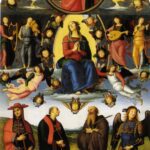 St. John Gualbert
The historical context of St. Gleb’s life is essential for understanding his significance. Kievan Rus was a melting pot of cultures and religions. The influence of pagan traditions was still strong, and the transition to Christianity was fraught with challenges. St. Gleb witnessed the struggles of his people as they navigated these changes. This environment of religious transformation played a significant role in shaping his character and his ultimate fate. The tension between the old pagan beliefs and the new Christian faith created a complex backdrop against which St. Gleb’s story unfolds.
The Life of St. Gleb
St. Gleb’s life was marked by his deep faith and commitment to Christianity. He was known for his humility and his dedication to serving others. After the death of his father, Vladimir, the kingdom was divided among his sons. Gleb was given the principality of Smolensk, while his brother Boris received Vyshgorod. Despite their royal status, both brothers chose to lead lives of modesty and virtue, often helping the less fortunate in their respective regions. Their actions were a reflection of the Christian teachings they had grown up with, emphasizing compassion and selflessness.
As princes, St. Gleb and Boris faced political challenges, including rivalries with other members of the royal family. The division of their father’s kingdom led to tensions that would eventually culminate in tragedy. St. Gleb’s commitment to peace and unity was evident in his attempts to reconcile differences among the various factions within Kievan Rus. He believed that a strong, united front was essential for the stability of the region and the prosperity of its people. This belief would ultimately lead him to make decisions that showcased his character and devotion to his faith.
 St. Pope Leo X
The Martyrdom of St. Gleb
The martyrdom of St. Gleb is one of the most poignant aspects of his life story. After the death of their father, a power struggle ensued among the princes of Kievan Rus. Gleb and Boris were seen as threats by their half-brother, Svjatopolk, who sought to consolidate power for himself. In a bid to eliminate his rivals, Svjatopolk orchestrated the assassination of both brothers. St. Gleb, known for his peaceful nature, was unsuspecting of the danger that lurked around him. He believed in the goodness of people and sought to avoid conflict, which ultimately made him vulnerable to betrayal.
St. Gleb was lured into a trap under the pretense of reconciliation. When he arrived at the designated meeting place, he was ambushed by Svjatopolk’s henchmen. The brutal attack resulted in his death, and the circumstances surrounding his martyrdom have made him a symbol of innocence and faith in the face of evil. The manner of his death, particularly the betrayal by a family member, has been a source of reflection for many Christians. It serves as a reminder of the challenges that can arise even among those who are close to us, highlighting the importance of discernment and vigilance in one’s faith.
The Legacy of St. Gleb
The legacy of St. Gleb extends beyond his life and martyrdom. He is venerated as a saint in the Eastern Orthodox Church, and his feast day is celebrated on July 5 (July 18 in the Gregorian calendar). His life serves as an inspiration for many Christians, particularly in the Slavic regions, where his story has become a part of the cultural and religious identity. The veneration of St. Gleb is often linked to themes of loyalty, sacrifice, and the pursuit of peace in the face of adversity.
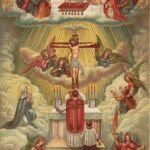 St. John Baptist De Rossi
St. Gleb is also recognized for his role in the early Christian history of Kievan Rus. His martyrdom is seen as a significant event that contributed to the spread of Christianity in the region. The stories of his life and death have been passed down through generations, serving as a testament to the enduring power of faith. Many churches and monasteries have been dedicated to him, and his iconography can be found throughout Eastern Orthodox traditions, depicting him as a young prince with a serene expression, symbolizing his unwavering faith.
Theological Significance of St. Gleb
The theological significance of St. Gleb’s life and martyrdom lies in the themes of sacrifice and faithfulness. His willingness to accept his fate, even in the face of betrayal and death, embodies the Christian ideal of martyrdom. St. Gleb’s story resonates with the teachings of Jesus Christ, particularly the call to love one’s enemies and to forgive those who harm us. This aspect of his life is often highlighted in sermons and teachings within the Church, serving as a model for believers in their own struggles.
Moreover, St. Gleb’s martyrdom is seen as a reflection of the larger narrative of suffering in the Christian faith. Many saints and martyrs throughout history have faced persecution and death for their beliefs, and St. Gleb’s story is a poignant example of this reality. His life challenges Christians to consider the cost of discipleship and to remain steadfast in their faith, even when faced with trials. The theological implications of his life extend beyond his own experience, inviting believers to reflect on their own commitment to Christ and the values of the Gospel.
Celebrations and Commemorations
The commemoration of St. Gleb is an important event in the Eastern Orthodox calendar. On his feast day, many believers participate in special liturgies and prayers, honoring his memory and seeking his intercession. The celebrations often include the singing of hymns that recount his life and martyrdom, emphasizing his virtues and dedication to Christ. These gatherings serve not only as a time of remembrance but also as an opportunity for the community to come together in faith and unity.
In some regions, processions and pilgrimages are organized to honor St. Gleb. These events are filled with devotion and joy, reflecting the deep love and respect that the faithful have for this saint. Many people travel to churches dedicated to St. Gleb, where they light candles and offer prayers. These acts of devotion reinforce the connection between the living and the saints, highlighting the belief in the communion of saints within the Christian tradition.
St. Gleb in Art and Literature
St. Gleb’s life and martyrdom have inspired countless works of art and literature throughout history. In Eastern Orthodox iconography, he is often depicted alongside his brother Boris, both portrayed as young princes adorned in royal attire. These icons serve not only as artistic representations but also as spiritual reminders of their sacrifice and faith. The visual portrayal of St. Gleb emphasizes his innocence and purity, inviting viewers to reflect on the virtues he embodied.
Literary works that recount the story of St. Gleb often explore themes of loyalty, betrayal, and the struggle between good and evil. These narratives serve to educate and inspire the faithful, providing a deeper understanding of the challenges faced by early Christians. Many hagiographies, or biographies of saints, include accounts of St. Gleb’s life, detailing his virtues and the significance of his martyrdom in the context of Kievan Rus. These texts have been preserved and studied for centuries, contributing to the rich tapestry of Christian literature.
Modern Reflections on St. Gleb
In contemporary society, the story of St. Gleb continues to resonate with believers and seekers of faith. His life serves as a powerful reminder of the importance of integrity, compassion, and the pursuit of peace. In a world often marked by conflict and division, St. Gleb’s example encourages individuals to strive for reconciliation and understanding. His commitment to his faith, even in the face of adversity, inspires many to reflect on their own beliefs and the values they uphold.
Furthermore, St. Gleb’s story is a call to remember the sacrifices made by those who came before us in the faith. It encourages modern Christians to honor the legacy of the saints and to carry forward the message of love and forgiveness that is central to the Christian tradition. In a time when the challenges to faith can feel overwhelming, St. Gleb’s life offers hope and guidance, reminding believers that their actions can have a profound impact on the world around them.
St. Gleb remains a revered figure in Christian mythology, embodying the virtues of faith, humility, and sacrifice. His life and martyrdom serve as a source of inspiration for many, reminding believers of the importance of steadfastness in their faith. The legacy of St. Gleb continues to be celebrated in various forms, from liturgical commemorations to artistic representations, ensuring that his story endures through the ages. His example challenges individuals to live out their faith authentically, striving for peace and reconciliation in a world that often needs it the most.