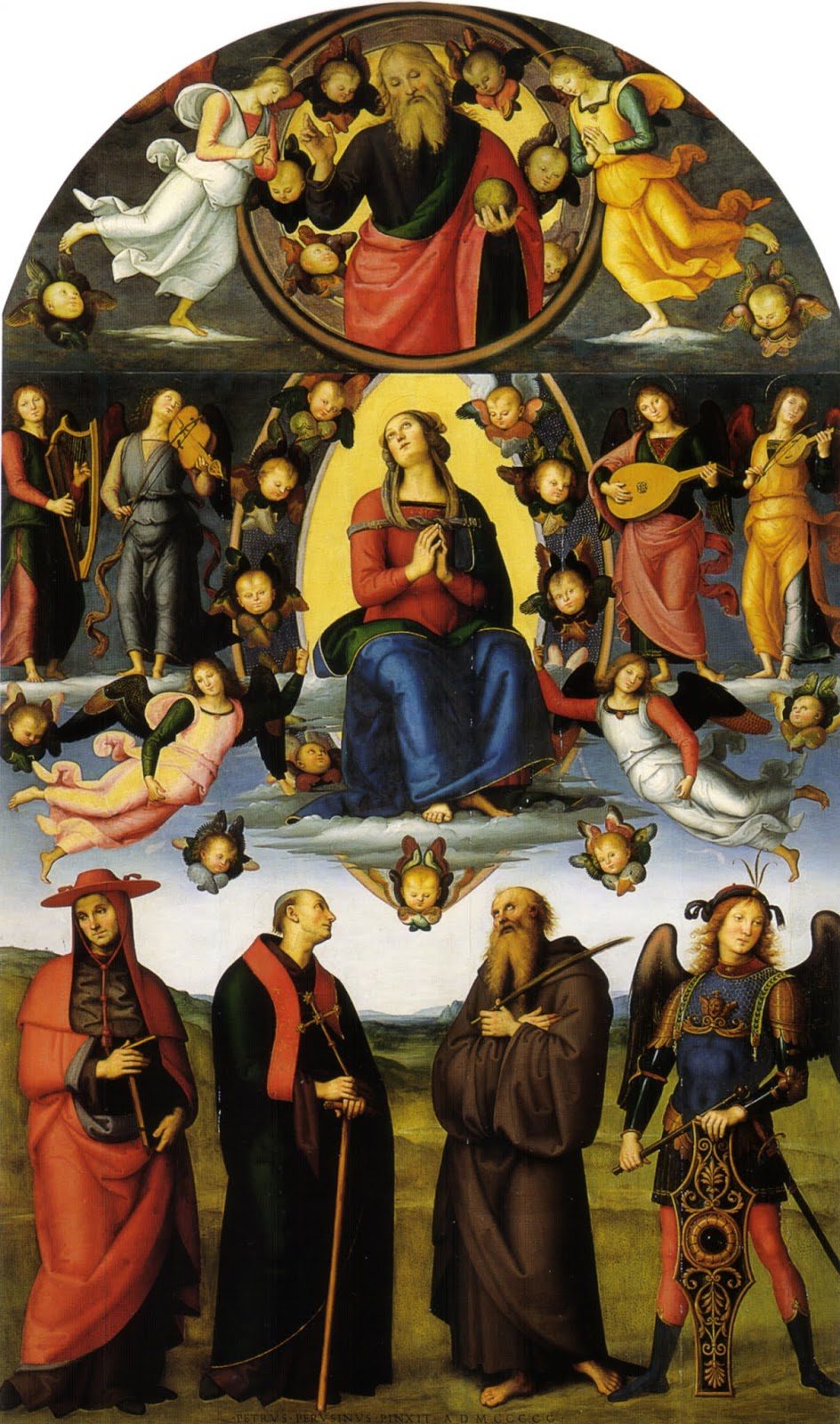
St. John Gualbert is a significant figure in Christian mythology, known for his profound impact on monastic life and the spread of Christian values during the medieval period. His life story is a remarkable tale of transformation, forgiveness, and devotion. Born in the late 10th century in Italy, he is celebrated as the founder of the Vallombrosan Benedictine Order. His journey from a nobleman to a dedicated monk exemplifies the power of faith and the importance of divine grace. Throughout his life, St. John Gualbert faced numerous challenges and temptations, yet he remained steadfast in his commitment to God and the teachings of Christ.
Early Life and Background
St. John Gualbert was born around the year 985 in the town of Florence, Italy. He belonged to a noble family, which provided him with a privileged upbringing. Despite his noble lineage, he experienced a personal tragedy that would forever change the course of his life. When John was still a young man, his brother was brutally murdered by a rival family. This tragic event filled him with anger and a desire for revenge. He sought to avenge his brother’s death, but during this tumultuous time, he encountered a moment of divine intervention that altered his perspective on life.
 St. Pope Leo X
While pursuing his quest for vengeance, John Gualbert happened upon a cross in a nearby forest. It was there that he experienced a profound revelation. He saw a vision of Christ, who urged him to forgive his brother’s killer instead of seeking revenge. This pivotal moment marked the beginning of his spiritual transformation. John realized that forgiveness was a fundamental aspect of Christian teachings and that harboring hatred only led to further suffering. His decision to forgive his brother’s murderer set him on a path toward a life dedicated to God and service to others.
Spiritual Transformation
After his encounter with the cross, John Gualbert renounced his noble status and chose to live a life of humility and service. He sought out a monastic community to immerse himself in prayer and contemplation. His journey led him to the Benedictine monastery of San Miniato, where he embraced the monastic way of life. The rigorous discipline and spiritual practices of the Benedictines resonated deeply with him, and he dedicated himself to a life of asceticism and devotion to God.
 St. John Baptist De Rossi
St. John Gualbert’s commitment to his new life was unwavering. He adopted a strict regimen of prayer, fasting, and manual labor, embodying the principles of humility and obedience that are central to the Benedictine rule. His fervent faith and dedication to God attracted other followers, and he soon became a spiritual leader within the community. His example of piety and commitment to the teachings of Christ inspired many to join him on his journey toward holiness.
Founding of the Vallombrosan Order
As St. John Gualbert’s reputation for holiness grew, so did his influence in the region. He realized that there was a need for a new monastic order that would emphasize a more austere lifestyle and a deeper commitment to the teachings of Christ. In 1035, he founded the Vallombrosan Benedictine Order, which focused on prayer, contemplation, and community life. The order was named after the valley where he established his first monastery, Vallombrosa, located in the Apennine Mountains.
The Vallombrosan Order distinguished itself by its commitment to a life of simplicity and austerity. Members of the order lived in solitude, dedicating themselves to prayer and meditation. They also engaged in agricultural work, emphasizing the importance of self-sufficiency and stewardship of the land. St. John Gualbert’s vision for the order attracted many followers, and soon, Vallombrosa became a center of spiritual growth and learning.
 St. Giles
Core Principles of the Vallombrosan Order
- Prayer and Contemplation: Central to the Vallombrosan lifestyle, members dedicated significant time to prayer and meditation.
- Austerity: The order emphasized a simple lifestyle, avoiding excess and focusing on spiritual growth.
- Community Living: The importance of living in community and supporting one another in faith was a key aspect of the order.
- Service to Others: Members were encouraged to engage in acts of charity and service to those in need.
Under St. John Gualbert’s leadership, the Vallombrosan Order flourished. He established several monasteries throughout Italy, each following the principles he had laid out. The order’s emphasis on prayer and communal living attracted many individuals seeking a deeper connection with God. St. John Gualbert’s teachings on forgiveness and compassion resonated with those who had experienced personal struggles, further solidifying his role as a spiritual guide and mentor.
Legacy and Influence
St. John Gualbert’s legacy continues to impact the Christian community today. His emphasis on forgiveness and compassion serves as a powerful reminder of the core values of Christianity. The Vallombrosan Order remains active, and its members continue to uphold the principles established by St. John Gualbert. His life story inspires countless individuals to seek a deeper relationship with God and to practice forgiveness in their own lives.
In addition to his role as a founder of a monastic order, St. John Gualbert is also remembered for his contributions to Christian spirituality. His teachings emphasized the importance of personal transformation and the need for individuals to confront their own struggles with sin and forgiveness. By sharing his own journey from vengeance to forgiveness, he provided a relatable example for others facing similar challenges.
Feast Day and Canonization
The Church commemorates St. John Gualbert on his feast day, which is celebrated on July 12. This day serves as an opportunity for the faithful to reflect on his life and teachings. Many churches and communities hold special services in honor of St. John Gualbert, focusing on themes of forgiveness, compassion, and spiritual growth. His feast day encourages individuals to embody the values he championed throughout his life.
St. John Gualbert was canonized as a saint in the 14th century, a recognition of his holiness and the impact he had on the Christian community. His canonization serves as an affirmation of the virtues he exemplified and the importance of his teachings. The recognition of his sainthood has inspired numerous works of art, literature, and devotion, ensuring that his legacy continues to be celebrated and remembered.
St. John Gualbert’s life and teachings remain a source of inspiration for Christians around the world. His journey from a vengeful nobleman to a devoted monk and founder of a monastic order illustrates the transformative power of faith and forgiveness. As we reflect on his legacy, we are reminded of the importance of compassion, humility, and a commitment to a life centered on God. The principles he established continue to guide individuals seeking a deeper relationship with their faith and serve as a testament to the enduring power of Christian values.