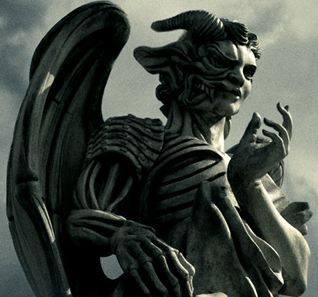
Abezethibou is a figure found within the realm of fallen angels in various religious texts and mythologies. He is often depicted as a powerful being who was cast out of heaven due to his rebellion against God. This article will explore the origins, characteristics, and cultural significance of Abezethibou, as well as his connections to other fallen angels. Through a detailed examination, we aim to provide a comprehensive understanding of this enigmatic figure.
Origins of Abezethibou
The origins of Abezethibou can be traced back to ancient texts and traditions. He is often associated with the Book of Enoch, a non-canonical scripture that details the story of the fallen angels. According to these texts, Abezethibou was one of the angels who descended to Earth and took human wives, leading to the birth of the Nephilim, a race of giants. This act of rebellion against divine order ultimately resulted in his expulsion from heaven.
 Allocen
In some interpretations, Abezethibou is seen as a symbol of defiance and individualism. His desire to challenge the established order reflects a broader theme present in many mythological narratives. This struggle against authority resonates with the human experience, making Abezethibou a compelling figure for those who seek to understand the complexities of rebellion and its consequences.
Characteristics of Abezethibou
Abezethibou is often depicted as a dark and powerful entity. His appearance is typically described as menacing, with features that evoke fear and awe. Many accounts suggest that he has wings, similar to other angels, but his wings are often depicted as tattered or darkened, symbolizing his fallen status. This transformation from a heavenly being to a fallen angel illustrates the profound impact of his choices.
Beyond his physical attributes, Abezethibou is characterized by his cunning and manipulative nature. He is often associated with deceit and temptation, leading others astray in their pursuit of power and knowledge. This aspect of his personality highlights the dangers of ambition and the potential for corruption that exists within every individual. His ability to sway others towards rebellion speaks to the complexities of free will and the moral dilemmas faced by humanity.
 Amduscias
Abezethibou in Various Cultures
Abezethibou’s story is not limited to one particular tradition. In fact, he appears in various cultures, each interpreting his role differently. In some traditions, he is seen as a tempter, akin to the figure of Satan, while in others, he is regarded as a tragic hero who sought knowledge and freedom. This multifaceted nature of Abezethibou reflects the diverse ways in which cultures grapple with themes of good and evil, as well as the complexities of moral choice.
- Jewish Tradition: In Jewish mysticism, Abezethibou is often connected to the concept of Sitra Achra, the “Other Side,” which represents forces opposing the divine. He embodies the chaos and darkness that exist outside of God’s order.
- Christian Tradition: Within Christian theology, Abezethibou is sometimes equated with demons that tempt humans away from righteousness. His story serves as a warning against the dangers of succumbing to temptation.
- Islamic Tradition: In some Islamic interpretations, Abezethibou is linked to Iblis, the figure who refused to bow to Adam. This connection highlights the theme of pride and disobedience prevalent in both narratives.
Connections to Other Fallen Angels
Abezethibou is often mentioned alongside other fallen angels, such as Azazel and Lucifer. These figures share similar narratives of rebellion and punishment. The collective story of these fallen angels serves to illustrate the consequences of defiance against divine authority. Each character brings a unique perspective to the overarching theme of rebellion, allowing for a rich exploration of the nature of evil and temptation.
For example, Azazel is often associated with the act of teaching forbidden knowledge to humanity. His role complements Abezethibou’s narrative, as both figures represent the allure of knowledge and power that can lead to one’s downfall. The interactions between these characters create a complex web of relationships that enhances our understanding of the moral lessons embedded within these stories.
 Amon
AmonThe Legacy of Abezethibou
The legacy of Abezethibou continues to resonate in modern culture. His story has inspired various forms of art, literature, and popular media. Many contemporary works draw upon the themes of rebellion, temptation, and the struggle for power that Abezethibou embodies. This enduring fascination with his character speaks to the universal human experience of grappling with moral choices and the consequences that arise from them.
In literature, Abezethibou has been portrayed in various ways, often serving as a cautionary figure. Authors use his character to explore the darker aspects of human nature, inviting readers to reflect on their own choices and the potential for corruption that exists within. This literary tradition continues to evolve, as new interpretations of Abezethibou emerge in response to contemporary societal issues.
Symbolism of Abezethibou
The symbolism associated with Abezethibou is profound and multifaceted. He represents the duality of human nature, embodying both the desire for knowledge and the potential for destruction. His story serves as a reminder of the fine line between ambition and hubris, as well as the consequences of seeking power at any cost. This duality resonates with individuals who grapple with their own desires and the moral implications of their actions.
Additionally, Abezethibou symbolizes the struggle against oppression. His rebellion against divine authority can be seen as a metaphor for the fight for freedom and autonomy. This aspect of his character resonates with those who challenge societal norms and seek to carve their own paths. The tension between conformity and individuality is a theme that continues to be relevant in today’s world.
Modern Interpretations of Abezethibou
In modern interpretations, Abezethibou is often viewed through the lens of psychological and philosophical frameworks. His character is examined as a representation of the shadow self, a concept introduced by psychologist Carl Jung. The shadow self embodies the repressed aspects of our personalities, including desires, fears, and impulses. Abezethibou’s rebellion can be seen as an expression of the struggle to integrate these shadow aspects into our conscious selves.
Furthermore, Abezethibou’s story invites discussions about the nature of evil and its place in the human experience. Philosophers and theologians grapple with questions surrounding the origins of evil, the role of free will, and the consequences of moral choices. Abezethibou serves as a focal point for these discussions, encouraging individuals to reflect on their own beliefs and values.
Abezethibou in Popular Culture
The figure of Abezethibou has found a place in popular culture, appearing in various forms of media, including films, television shows, and video games. These representations often draw upon the themes of rebellion and temptation that define his character. For example, in certain films, Abezethibou may be portrayed as a charismatic antagonist, embodying the allure of power and knowledge.
Additionally, the character of Abezethibou has inspired various artistic interpretations. Artists often explore his dark and enigmatic nature through visual art, creating compelling representations that capture the essence of his story. These artistic expressions serve to keep the narrative of Abezethibou alive, inviting new audiences to engage with his character and the themes he represents.
Lessons from Abezethibou
The story of Abezethibou offers valuable lessons about the nature of choice and consequence. His rebellion against divine authority serves as a cautionary tale about the dangers of unchecked ambition and the pursuit of power. Individuals are reminded of the importance of self-reflection and the need to consider the implications of their actions.
Moreover, Abezethibou’s narrative encourages a deeper understanding of the complexities of human nature. The struggle between light and dark, good and evil, is a central theme that resonates with individuals across cultures and time periods. By examining Abezethibou’s story, we are invited to confront our own inner conflicts and the moral dilemmas that shape our lives.
Abezethibou remains a captivating figure within the realm of fallen angels. His origins, characteristics, and cultural significance provide a rich tapestry for exploration. As we delve into his story, we uncover the complexities of rebellion, temptation, and the human experience. The legacy of Abezethibou continues to inspire and provoke thought, inviting individuals to reflect on their own choices and the moral implications of their actions.