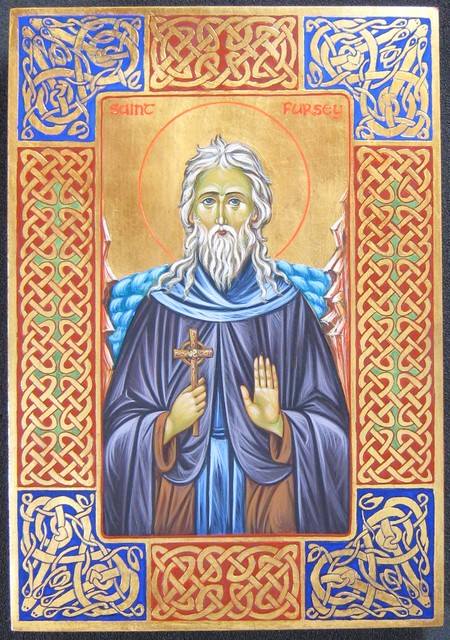
St. Fursey is a fascinating figure in Christian mythology, known for his role in spreading Christianity in early medieval Ireland and England. His life and works are surrounded by legends that emphasize his spiritual journey and miraculous deeds. St. Fursey is often depicted as a saint who had a significant impact on the monastic tradition in these regions, and his stories have been passed down through generations. The tales of his life provide insight into the early Christian church’s efforts to establish itself in a time of great change and uncertainty.
The Early Life of St. Fursey
St. Fursey was born in the early 7th century in Ireland, although the exact location remains uncertain. Some accounts suggest he was born in the province of Ulster, while others point to the region of Connacht. His early life is shrouded in mystery, but it is generally accepted that he came from a noble family. This noble heritage may have provided him with the resources and education necessary for a future in the church. From a young age, Fursey showed signs of deep spirituality and a desire to serve God, which ultimately led him to pursue a monastic life.
 St. Fulgentius Of Ruspe
According to various sources, Fursey decided to leave his family and worldly possessions behind to devote himself to God. He became a monk, dedicating his life to prayer and meditation. His commitment to monastic life was profound, and he sought to deepen his relationship with God through solitude and reflection. This choice was not uncommon among early Christian figures, as many sought to escape the distractions of the world to focus on their spiritual development.
The Vision of St. Fursey
One of the most remarkable aspects of St. Fursey’s life is his visionary experiences. These visions are often cited as significant events that shaped his mission and teachings. It is said that Fursey experienced a series of profound visions while he was in prayer. During these visions, he encountered various heavenly beings, including angels and saints, who provided him with guidance and insight into his spiritual journey. These experiences were not only personal revelations but also served to inspire others around him.
In one of his most famous visions, Fursey was transported to a heavenly realm where he witnessed the glory of God and the rewards awaiting the faithful. He also saw the torments of hell, which served as a warning to those who lived sinful lives. This vision had a lasting impact on Fursey, motivating him to spread the message of repentance and salvation. His experiences resonated deeply with the people of his time, as they were often caught in the struggles of life and sought hope and guidance.
 St. Fulbert Of Chartres
The Missionary Work of St. Fursey
St. Fursey’s visions propelled him into a life of missionary work. After receiving divine instruction, he felt compelled to travel and share the teachings of Christ with others. His journeys took him beyond Ireland, as he ventured into parts of England and possibly even France. During this time, he established monasteries and communities that became centers of learning and spirituality.
Fursey’s most notable missionary work occurred in the region of East Anglia, where he is credited with founding several monasteries. These monastic communities played a crucial role in the spread of Christianity in the area. They provided a place for worship, education, and community support, which were essential during a time when many were still practicing pagan traditions. Fursey’s leadership and dedication to the monastic way of life inspired many to join him in his mission, further expanding the reach of Christianity.
Key Contributions of St. Fursey
- Establishment of monasteries in East Anglia
- Promotion of education and literacy among the faithful
- Emphasis on prayer and contemplation in monastic life
- Encouragement of community living and support
 St. Frumentius
Fursey’s efforts in East Anglia were met with both success and challenges. He encountered resistance from local pagan leaders who were not willing to abandon their traditions. However, through his unwavering faith and dedication, he was able to convert many individuals and gain followers. His approach to evangelism was characterized by compassion and understanding, allowing him to connect with people from various backgrounds.
The Legacy of St. Fursey
The legacy of St. Fursey is profound and enduring. His contributions to the early Christian church in Ireland and England have left a lasting impact on the region’s religious landscape. After his death, which is believed to have occurred around the year 650, he was venerated as a saint, and his feast day is celebrated on January 16th. Many stories and legends about his life have been recorded in various hagiographies, which further cemented his status as a significant figure in Christian mythology.
St. Fursey’s influence extended beyond his immediate community. The monasteries he founded became important centers for the dissemination of Christian teachings and practices. They attracted scholars and pilgrims alike, fostering a spirit of learning and spiritual growth. His emphasis on education and literacy helped to lay the groundwork for the intellectual revival that would occur in Europe during the subsequent centuries.
Miracles Associated with St. Fursey
St. Fursey is often associated with numerous miracles that further solidified his reputation as a holy man. Many of these miracles are recounted in the hagiographies written about him, which detail the extraordinary events attributed to his intercession. These miracles often served as signs of his divine favor and were instrumental in converting skeptics and non-believers.
One of the most notable miracles attributed to St. Fursey involved the healing of a sick child. According to the story, the child was gravely ill, and despite the best efforts of local physicians, there was little hope for recovery. Upon hearing of the child’s plight, Fursey prayed fervently for healing. Miraculously, the child was restored to health, leading many to believe in Fursey’s divine connection. This event not only strengthened the faith of the child’s family but also attracted many others to his teachings.
Other Miraculous Events
- Raising the dead: Accounts exist of Fursey raising individuals from the dead through prayer.
- Calming storms: It is said that he calmed violent storms at sea, ensuring safe passage for travelers.
- Food multiplication: Similar to biblical accounts, Fursey is said to have multiplied food to feed the hungry.
These miracles contributed to the growing cult of St. Fursey, as many sought his intercession in times of need. The tales of his miraculous deeds were not only a testament to his holiness but also served as powerful narratives that encouraged faith among believers. They reinforced the idea that the divine was actively involved in the lives of ordinary people, providing hope and reassurance during difficult times.
St. Fursey in Art and Literature
St. Fursey’s impact on Christian mythology is also reflected in art and literature. Throughout the centuries, artists and writers have drawn inspiration from his life and the stories surrounding him. In medieval manuscripts, St. Fursey is often depicted in prayer or performing miracles, emphasizing his role as a holy figure. These artistic representations served not only as a means of honoring the saint but also as tools for educating the faithful about his life and teachings.
Literary works featuring St. Fursey often highlight his spiritual journey, miraculous acts, and missionary endeavors. The Vita Fursey, a hagiographical text written in the 7th century, provides a detailed account of his life, visions, and miracles. This text has been instrumental in preserving the memory of St. Fursey and continues to be a valuable resource for historians and theologians alike. It offers insight into the early Christian church’s beliefs, practices, and the challenges faced by its leaders.
Modern-Day Commemoration of St. Fursey
In contemporary times, St. Fursey is remembered and honored in various ways. Many churches and communities celebrate his feast day with special services, prayers, and reflections on his life. Pilgrimages to sites associated with St. Fursey, such as his monasteries in East Anglia, have become popular among the faithful seeking to connect with their spiritual heritage. These events serve to reinforce the importance of his legacy and the values he espoused.
Moreover, St. Fursey’s life continues to inspire modern Christians in their own spiritual journeys. His commitment to faith, prayer, and service resonates with many who strive to live out their beliefs in a meaningful way. The stories of his miracles and missionary work encourage individuals to embrace their own calling and make a positive impact in their communities.
The Importance of St. Fursey in Christian Mythology
St. Fursey’s role in Christian mythology cannot be overstated. He embodies the spirit of early Christianity, characterized by fervent faith, dedication to service, and a commitment to spreading the gospel. His life serves as a reminder of the challenges faced by early Christians and the perseverance required to establish a lasting faith. The stories and legends surrounding St. Fursey continue to inspire and guide believers today.
His impact on monasticism, education, and the spread of Christianity in Ireland and England highlights the importance of individual figures in shaping religious history. St. Fursey’s life demonstrates how one person’s faith and dedication can lead to transformative change within a community. His legacy is a testament to the enduring power of faith and the profound influence of saints in the Christian tradition.