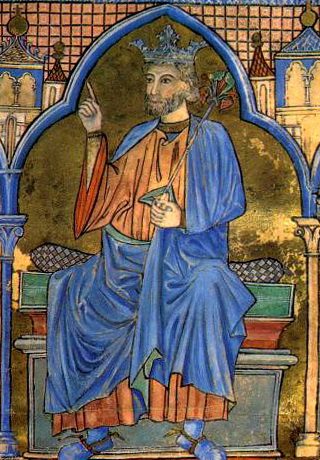
St. Ferdinand III of Castile, also known as Ferdinand the Saint, is a significant figure in Christian mythology and Spanish history. He was born on August 5, 1199, in the city of
The Early Life of Ferdinand III
Ferdinand III was born into a noble family, the son of King Alfonso IX of León and Berenguela of Castile. His early life was marked by the political instability that characterized the Spanish kingdoms during the 12th century. From a young age, he was exposed to the complexities of royal politics and the ongoing conflicts between the Christian kingdoms and Muslim states. His mother, Berenguela, played a significant role in his upbringing, instilling in him the values of chivalry and the importance of the Christian faith. These early influences shaped Ferdinand into a leader who would prioritize the unification of Christian territories and the expansion of his kingdom.
 St. Felix Of Nola
In 1217, Ferdinand became the King of Castile following his mother’s abdication. His ascension to the throne came at a time when Castile was fragmented and in need of strong leadership. Ferdinand’s early reign was marked by challenges, including internal conflicts and the need to secure his kingdom against external threats. Despite these challenges, Ferdinand demonstrated remarkable political acumen and a deep commitment to the Christian cause. His early military campaigns were not only aimed at expanding his territory but also at strengthening the Christian hold on the lands that had been reclaimed from Muslim rule.
Military Campaigns and Conquests
Ferdinand III is perhaps best known for his military campaigns during the Reconquista, the centuries-long effort by Christian kingdoms to reclaim the Iberian Peninsula from Muslim control. One of his most significant achievements was the capture of the city of Seville in 1248. This victory was not just a military triumph; it was a symbolic moment in the Christian struggle against Islam in Spain. Seville was one of the last major Muslim strongholds in the region, and its fall marked a turning point in the Reconquista. Ferdinand’s strategic brilliance and ability to inspire his troops played a crucial role in this success.
Ferdinand’s campaigns were characterized by a combination of military might and diplomatic skill. He often formed alliances with other Christian kingdoms, recognizing that unity was essential for success. In addition to Seville, he also led successful campaigns to capture cities like Córdoba and Jaén. Each victory further solidified his reputation as a formidable leader and a champion of the Christian faith. His ability to rally support from various factions within the Christian kingdoms helped to create a sense of shared purpose and commitment to the Reconquista.
 St. Felix Iv
Religious Devotion and Canonization
Ferdinand III’s commitment to his faith was evident in both his personal life and his reign. He was known for his deep devotion to the Catholic Church and for promoting religious practices among his subjects. Ferdinand was a patron of various religious institutions and played a significant role in the construction of churches and monasteries. His dedication to the Church was not merely a matter of personal belief; it was also a strategic move to strengthen the legitimacy of his rule. By aligning himself closely with the Church, Ferdinand sought to reinforce his authority and unify his kingdom under a common religious identity.
After his death on May 30, 1252, Ferdinand III was canonized by Pope Clement X in 1671. His canonization was a recognition of his unwavering faith and his contributions to the Christian cause during the Reconquista. He was declared a saint not only for his military achievements but also for his commitment to charity and his efforts to promote peace among his subjects. His feast day is celebrated on May 30, and he is often depicted in religious art as a warrior king, symbolizing the ideal of a Christian ruler who combines martial prowess with spiritual devotion.
Legacy and Cultural Impact
The legacy of St. Ferdinand III of Castile extends far beyond his military conquests and religious devotion. He is remembered as a unifying figure in Spanish history, a king who brought together various Christian factions to achieve a common goal. His reign marked a significant period in the history of the Iberian Peninsula, as the Reconquista was drawing to a close. The successful campaigns led by Ferdinand not only expanded the territories of Castile but also set the stage for the eventual unification of Spain under the Catholic Monarchs, Ferdinand II of Aragon and Isabella I of Castile.
 St. Felix Iii
In contemporary Spain, Ferdinand III is celebrated as a national hero and a symbol of the Christian faith. His story is often recounted in schools, literature, and religious contexts, emphasizing the importance of faith, leadership, and the struggle for religious freedom. Various monuments and churches have been dedicated to him, serving as reminders of his contributions to the nation. The city of Seville, in particular, honors his memory through festivals and events that commemorate his legacy.
Ferdinand III in Modern Context
In modern Spain, the figure of St. Ferdinand III serves as a reminder of the complex history of the nation. His life and reign are often discussed in the context of the Reconquista and the interactions between Christian and Muslim cultures. While Ferdinand is celebrated as a hero by many, his legacy also raises questions about the nature of conquest and the impact of religious conflict on society. Historians and scholars continue to study his reign, exploring the nuances of his leadership and the broader implications of the Reconquista.
In addition to historical discussions, Ferdinand III’s legacy is also reflected in the cultural practices of modern Spain. His feast day is celebrated with various religious ceremonies and cultural events, highlighting the enduring significance of his contributions to Spanish identity. The stories of his life continue to inspire artists, writers, and musicians, who draw upon his legacy to explore themes of faith, courage, and the struggle for justice.
The Role of Women in Ferdinand’s Life
While Ferdinand III is primarily remembered for his military and political achievements, the women in his life played a crucial role in shaping his character and reign. His mother, Berenguela of Castile, was a powerful figure who influenced his upbringing and instilled in him a sense of duty to his kingdom and faith. Berenguela’s own political acumen and commitment to the Christian cause set an example for Ferdinand, showing him the importance of strong leadership and the ability to navigate complex political landscapes.
Ferdinand’s marriage to Joanna of Ponthieu also had significant political implications. Their union strengthened ties between Castile and France, showcasing Ferdinand’s understanding of the importance of alliances in securing his kingdom’s future. Joanna was known for her intelligence and strength, qualities that complemented Ferdinand’s leadership. Together, they had several children, ensuring the continuation of the royal lineage and the stability of his reign.
Ferdinand III and the Arts
St. Ferdinand III’s reign was also a period of cultural flourishing in the Iberian Peninsula. The military victories and the reconsolidation of Christian territories allowed for a resurgence of the arts, literature, and architecture. Ferdinand’s patronage of the Church and various religious institutions contributed to the construction of magnificent cathedrals and churches, many of which still stand today as testaments to the era’s artistic achievements. The Cathedral of Seville, built on the site of a former mosque, is one of the most notable examples of Gothic architecture in Spain and reflects the blending of cultural influences during Ferdinand’s reign.
In literature, the stories of Ferdinand’s exploits became popular subjects for epic poems and tales. These narratives not only celebrated his military achievements but also highlighted the values of honor, faith, and chivalry. The cultural impact of Ferdinand III extended beyond his lifetime, as his story continued to be retold and adapted in various forms, influencing generations of artists and writers in Spain and beyond.
Ferdinand III in Religious Context
Ferdinand III’s life and reign cannot be fully understood without considering the religious context of his time. The Reconquista was not just a military campaign; it was deeply intertwined with religious motivations and aspirations. Ferdinand viewed his conquests as a divine mission, a way to reclaim the lands for Christianity. His dedication to the Church was evident in his policies and actions, which often prioritized the establishment of Christian institutions in newly conquered territories.
The relationship between Ferdinand and the Church was mutually beneficial. While Ferdinand sought the Church’s endorsement to legitimize his rule, the Church, in turn, relied on his military strength to protect its interests in the region. This alliance between the monarchy and the Church played a crucial role in shaping the religious landscape of Spain, leading to the establishment of a unified Christian identity that would endure for centuries.
St. Ferdinand III of Castile remains a pivotal figure in both Christian mythology and Spanish history. His life, marked by military conquests, deep religious devotion, and cultural contributions, has left an indelible mark on the nation. From his early life to his military campaigns and eventual canonization, Ferdinand’s story is one of faith, leadership, and the enduring struggle for religious freedom. His legacy continues to resonate in modern Spain, reminding us of the complexities of history and the ongoing impact of faith on society.