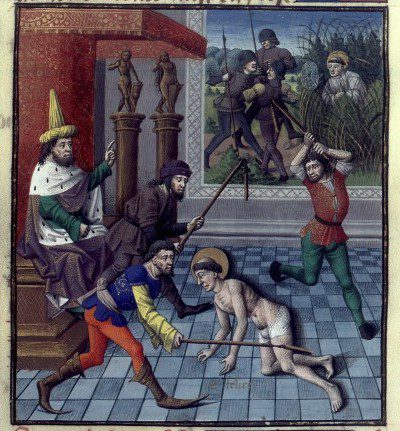
St. Felix III, also known as St. Felix of Rome, is an important figure in Christian mythology and history. His life and contributions to the early Church are often discussed in various religious texts and teachings. He is recognized as a Pope, specifically the 23rd Pope of the Roman Catholic Church, serving during a pivotal time in the development of Christianity. His papacy is noted for its efforts to establish the authority of the Church amidst various challenges, including theological disputes and the growing influence of pagan practices.
The Life of St. Felix III
 St. Felix I
The exact dates of St. Felix III’s birth and death are not definitively known, but he is believed to have served as Pope from around 483 to 492 AD. His early life remains largely undocumented, which is a common occurrence with many early Christian figures. However, it is generally accepted that he was born in Rome and grew up in a Christian environment that fostered his spiritual development. His ascension to the papacy came at a time when the Church was facing significant challenges, including the rise of heretical movements and the need for a unified doctrine.
St. Felix III is often remembered for his commitment to the doctrine of the Trinity and his staunch opposition to various heretical teachings that threatened the core beliefs of Christianity. He worked tirelessly to promote the teachings of the Church and to clarify misunderstandings regarding Christian doctrine. His efforts included the establishment of clear guidelines for the interpretation of scripture and the promotion of unity among the different factions within the Church. This was crucial in maintaining the integrity of the Christian faith during a time of significant turmoil.
The Papacy of St. Felix III
During his papacy, St. Felix III faced numerous challenges, including political intrigue and theological disputes. One of the major issues of his time was the rise of the Monophysite heresy, which argued that Christ had only one nature, rather than two natures, divine and human. This teaching contradicted the established doctrine of the Church and posed a serious threat to the unity of Christian belief. St. Felix III took a firm stand against this heresy, working to affirm the orthodox position that Christ was both fully divine and fully human.
 St. Felix De Valois
St. Felix III’s papacy also coincided with the decline of the Western Roman Empire. As the political landscape shifted, the role of the Pope became increasingly important not only in spiritual matters but also in political ones. St. Felix III understood the need for the Church to have a strong voice in these changing times. He sought to establish the Church as a moral authority and a unifying force for Christians in a fragmented society. This involved forging alliances with various political leaders and advocating for the rights of Christians, especially in regions where they faced persecution.
Contributions to Christian Doctrine
One of St. Felix III’s most significant contributions to Christian doctrine was his involvement in the formulation of the Council of Constantinople in 381 AD, which addressed several theological disputes that had arisen in the early Church. Although he was not directly involved in this council, the decisions made there influenced his papacy and his approach to various doctrinal issues. The council affirmed the Nicene Creed, which is a statement of faith that outlines the core beliefs of Christianity. St. Felix III was committed to upholding these teachings during his time as Pope.
In addition to his doctrinal contributions, St. Felix III also emphasized the importance of charity and social justice within the Christian community. He believed that the Church should not only focus on spiritual matters but also address the needs of the poor and marginalized. This perspective was ahead of its time and laid the groundwork for future Christian teachings on social responsibility. St. Felix III encouraged Christians to engage in acts of charity and to support those in need, reinforcing the idea that faith should be accompanied by action.
 St. Felicity Of Carthage
The Legacy of St. Felix III
St. Felix III’s legacy continues to be felt in the Roman Catholic Church and beyond. He is venerated as a saint, and his feast day is celebrated on March 1st. His contributions to the development of Christian doctrine and his efforts to maintain the unity of the Church during a tumultuous period have earned him a respected place in Christian history. Many believers look to his example as a model of faith and leadership, particularly in times of challenge.
Moreover, St. Felix III’s emphasis on the importance of social justice and charity has influenced various movements within the Church. His teachings serve as a reminder that faith should not only be about personal salvation but also about caring for others and working towards a more just society. This aspect of his legacy resonates with contemporary Christians who strive to live out their faith in practical ways.
St. Felix III in Art and Literature
The figure of St. Felix III has been depicted in various forms of art and literature throughout history. Artists have portrayed him in paintings, sculptures, and stained glass windows, often depicting him in the traditional papal attire, complete with the papal tiara and crozier. These artistic representations serve to honor his contributions to the Church and to inspire the faithful. In many churches, images of St. Felix III can be found alongside other saints, emphasizing his importance within the communion of saints.
In literature, St. Felix III has been referenced in various theological texts and hagiographies, which are biographies of saints. These writings often highlight his virtues, his commitment to the faith, and his role in shaping Christian doctrine. They serve as a source of inspiration for believers, encouraging them to emulate his dedication to God and the Church. The stories of his life also provide valuable insights into the challenges faced by early Christians and the ways in which they navigated those difficulties.
Theological Significance of St. Felix III
The theological significance of St. Felix III extends beyond his lifetime. His teachings and actions have had a lasting impact on Christian thought and practice. For example, his defense of the dual nature of Christ is a cornerstone of orthodox Christian belief. This theological stance has been affirmed in various ecumenical councils throughout history and remains a fundamental aspect of Christian doctrine today. St. Felix III’s commitment to this doctrine helped to solidify its place within the Church and counteract the influence of heretical teachings.
Additionally, St. Felix III’s focus on the importance of community and charity reflects a broader theological understanding of the Church as the Body of Christ. He recognized that Christians are called to live in fellowship with one another and to support each other in their spiritual journeys. This understanding has influenced various Christian communities and has led to the establishment of numerous charitable organizations and initiatives aimed at helping those in need. St. Felix III’s legacy in this regard continues to inspire believers to put their faith into action.
St. Felix III and Ecumenism
In the modern context, St. Felix III’s life and teachings have implications for the movement toward ecumenism, which seeks to promote unity among different Christian denominations. His commitment to doctrinal clarity and unity within the Church serves as a model for contemporary efforts to bridge divides among Christians. Many ecumenical dialogues reference the teachings of early Church leaders like St. Felix III as a way to find common ground and work towards a shared understanding of the Christian faith.
St. Felix III’s approach to theological disputes emphasizes the importance of respectful dialogue and the pursuit of truth. This attitude is essential for ecumenical efforts, as it encourages Christians to engage with one another in meaningful conversations about their beliefs and practices. By looking to the example of St. Felix III, modern Christians can be inspired to seek unity without compromising their convictions, fostering a spirit of cooperation and mutual respect.
Conclusion: The Enduring Impact of St. Felix III
The life and legacy of St. Felix III remind us of the importance of strong leadership and unwavering faith in the face of challenges. His contributions to Christian doctrine, his commitment to social justice, and his role in promoting unity within the Church are aspects of his life that continue to resonate with believers today. As Christians strive to navigate the complexities of modern life, the teachings and example of St. Felix III provide valuable guidance and inspiration.
Ultimately, St. Felix III’s story is one of perseverance, faith, and commitment to the principles of Christianity. His life serves as a testament to the enduring power of faith and the importance of standing firm in one’s beliefs. In an ever-changing world, the teachings of St. Felix III remind us of the timeless truths of the Christian faith and the call to live out those truths in our daily lives.