
St. Damasus I, who served as pope from 366 to 384 AD, is a significant figure in the history of the Christian Church. He is often remembered for his efforts to establish the authority of the papacy and for his role in promoting the veneration of martyrs. His papacy came during a time of great transition for the Church, as Christianity was beginning to gain acceptance within the Roman Empire. Damasus I worked diligently to solidify the Church’s position and to ensure that the teachings of Christianity were preserved and disseminated throughout the growing Christian community.
The Early Life of St. Damasus I
St. Damasus I was born around the year 305 AD in Rome. His family was likely of Spanish origin, which was not uncommon for early Christian leaders in Rome. From a young age, Damasus was exposed to the Christian faith, which was still in its formative years during his childhood. As he grew older, he became increasingly involved in the Church, eventually becoming a priest. His early life was marked by the challenges faced by Christians during the Roman Empire, especially during the persecutions that sought to suppress the faith. Despite these difficulties, Damasus remained steadfast in his beliefs and committed to the service of the Church.
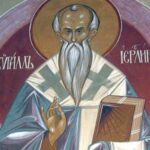 St. Cyril Of Jerusalem
As a priest, Damasus demonstrated strong leadership qualities and a deep understanding of Christian doctrine. His dedication to the faith earned him respect among his peers and the Christian community. He was known for his eloquence and ability to articulate the teachings of the Church, which would later serve him well during his papacy. Damasus’s early experiences shaped his vision for the Church and prepared him for the challenges he would face as pope.
The Papacy of St. Damasus I
St. Damasus I became pope in 366 AD, following the death of Pope Liberius. His election was not without controversy, as there were rival factions within the Church. Damasus’s rise to the papacy was marked by political maneuvering and the need to unify the Church in the face of external pressures. One of his primary goals was to strengthen the authority of the pope as the leader of the Christian community. He believed that a strong papacy was essential for maintaining doctrinal unity and resisting heretical teachings.
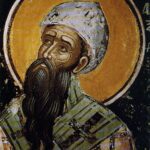 St. Cyril Of Alexandria
During his papacy, Damasus I faced significant challenges, including the ongoing tensions between different Christian sects and the lingering effects of paganism in Roman society. He worked tirelessly to promote the teachings of the Church and to combat heresy. Damasus convened synods and councils to address theological disputes and to establish clear guidelines for Christian doctrine. His efforts were instrumental in shaping the early Church and ensuring that the teachings of Christianity remained consistent.
Promotion of Martyr Veneration
One of the notable aspects of St. Damasus I’s papacy was his promotion of the veneration of martyrs. He believed that honoring the martyrs was crucial for the spiritual life of the Church. Damasus took a particular interest in the preservation of the tombs of early Christian martyrs and worked to ensure that these sites were respected and venerated. He commissioned inscriptions to be placed on the tombs of martyrs, which served as a way to commemorate their sacrifices and to inspire the faithful.
Damasus’s dedication to the martyrs extended beyond mere commemoration. He encouraged the faithful to seek intercession from the martyrs, believing that their prayers could help strengthen the community. This emphasis on martyr veneration contributed to the development of the cult of saints in the early Church, which remains a significant aspect of Christian practice today. Damasus’s influence in this area helped to foster a sense of connection between the living and the deceased, reinforcing the idea that the Church transcends time and space.
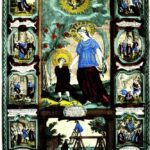 St. Cyricus
Theological Contributions
St. Damasus I made several important theological contributions during his papacy. One of his key achievements was the promotion of the Nicene Creed, which was established at the First Council of Nicaea in 325 AD. The creed served as a foundational statement of Christian belief, affirming the divinity of Christ and the nature of the Trinity. Damasus worked to ensure that the Nicene Creed was upheld and taught throughout the Church, countering various heretical interpretations that emerged during his time.
In addition to his support for the Nicene Creed, Damasus was involved in the development of the canon of Scripture. He recognized the importance of having a definitive list of texts that were considered authoritative for the Christian faith. Damasus convened councils to discuss and establish the canon, which ultimately laid the groundwork for the Bible as it is known today. His efforts in this area helped to clarify the teachings of the Church and provided a solid foundation for future theological discussions.
St. Damasus I and the Latin Church
St. Damasus I is often credited with shaping the Latin Church’s identity during his papacy. He recognized the importance of the Latin language in the liturgy and in theological discourse. Damasus encouraged the use of Latin in the Church, which helped to distinguish the Roman Church from other Christian communities that used Greek or other languages. This decision had lasting implications for the development of Western Christianity, as Latin became the dominant language of the Church for centuries.
His commitment to the Latin language also extended to the translation of important texts. Damasus commissioned the translation of the Bible into Latin, which would later be known as the Vulgate. This translation played a crucial role in making the Scriptures accessible to the Latin-speaking populace and solidified the authority of the Church in interpreting the Bible. The Vulgate became the standard version of the Bible used by the Roman Catholic Church for many centuries.
The Legacy of St. Damasus I
The legacy of St. Damasus I is evident in the ongoing practices and beliefs of the Catholic Church. His promotion of the veneration of martyrs laid the groundwork for the development of the cult of saints, which remains a significant aspect of Catholic spirituality. The emphasis on the authority of the pope that Damasus championed has continued to influence the Church’s structure and governance throughout history.
Furthermore, his contributions to the development of the canon of Scripture and the promotion of the Nicene Creed have had a lasting impact on Christian theology. The decisions made during his papacy helped to shape the beliefs and practices of the Church, ensuring that they remained consistent and grounded in the teachings of Christ. St. Damasus I is remembered as a pivotal figure in the early Church, whose leadership and vision helped to guide Christianity through a period of significant change and growth.
St. Damasus I in Christian Art and Literature
St. Damasus I has been depicted in various forms of Christian art and literature throughout history. Artists often portray him in papal vestments, symbolizing his role as the leader of the Church. He is sometimes shown holding a scroll or a book, representing his contributions to theology and the promotion of the Scriptures. These artistic representations serve to honor his legacy and to remind the faithful of his commitment to the Church.
In literature, St. Damasus has been referenced by various Christian writers, who highlight his contributions to the Church and his dedication to the faith. His writings, though limited, reflect his theological insights and his efforts to guide the Christian community. The works of early Church fathers often reference Damasus, emphasizing his role in shaping the beliefs and practices of the Church during a crucial period in its history.
Feast Day and Commemoration
The feast day of St. Damasus I is celebrated on December 11. This day serves as an opportunity for the faithful to reflect on his contributions to the Church and to honor his memory. During this feast, special prayers and liturgies are often held in his honor, highlighting his role as a defender of the faith and a promoter of the teachings of Christ.
In many Christian communities, the commemoration of St. Damasus I includes readings from Scripture and reflections on his life and legacy. The faithful are encouraged to seek inspiration from his example, particularly in their own efforts to live out their faith and to contribute to the life of the Church. His feast day serves as a reminder of the importance of strong leadership and unwavering commitment to the teachings of Christianity.
St. Damasus I and Ecumenism
In recent years, there has been a growing interest in the figure of St. Damasus I within the context of ecumenism. His efforts to promote unity within the Church and to combat heresy resonate with contemporary discussions about the need for unity among Christian denominations. Damasus’s commitment to the authority of the papacy and the preservation of doctrine serves as a model for those seeking to bridge divides within Christianity today.
Many modern Christians view St. Damasus I as a symbol of the importance of dialogue and understanding among different Christian traditions. His legacy encourages believers to seek common ground while remaining true to their faith. The emphasis on the veneration of martyrs and the recognition of shared beliefs can serve as a foundation for fostering relationships between different Christian communities.
Conclusion of St. Damasus I’s Life
St. Damasus I passed away in 384 AD, leaving behind a rich legacy that continues to influence the Christian Church today. His dedication to the faith, his efforts to promote the authority of the papacy, and his commitment to the veneration of martyrs are just a few of the aspects that define his impact. As the Church reflects on the life of St. Damasus I, it is clear that his contributions were not only significant during his time but also laid the groundwork for the future of Christianity.
In remembrance of St. Damasus I, the Church honors his commitment to unity, doctrine, and the promotion of the faith. His life serves as a testament to the importance of strong leadership within the Church and the need for ongoing dialogue among Christians. St. Damasus I is remembered not only as a pope but as a devoted servant of Christ and a champion of the early Church.