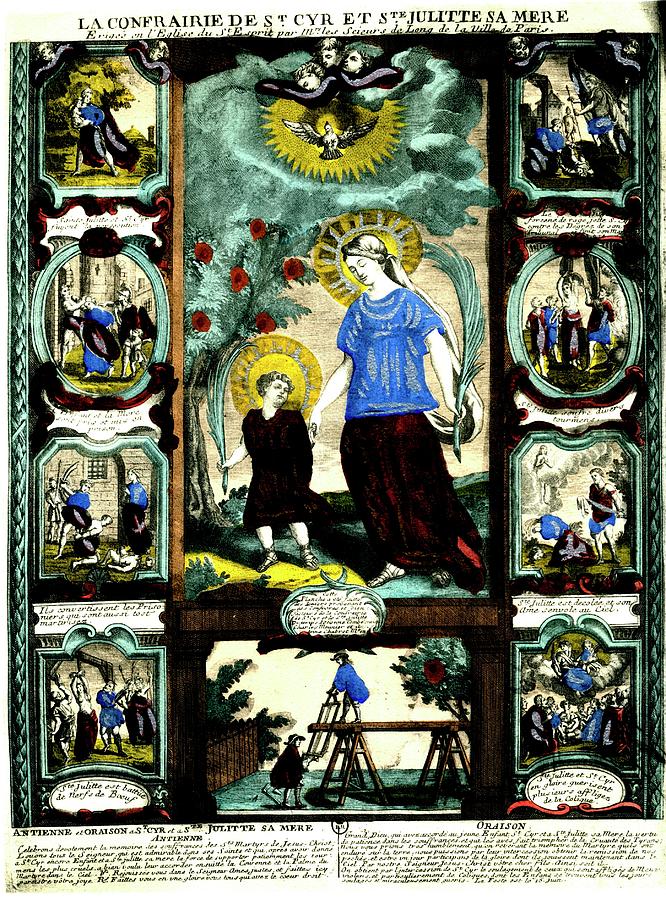
St. Cyricus, also known as St. Quiricus, is a significant figure in Christian mythology. He is often remembered for his association with child martyrs and the deep faith that characterized his life and death. The story of St. Cyricus serves as a powerful reminder of the early Christian struggles against persecution and the sacrifices made by believers. This article delves into the life, legends, and significance of St. Cyricus, exploring his impact on Christian traditions and the lessons that can be learned from his story.
The Life of St. Cyricus
St. Cyricus is believed to have lived during the late 3rd century, a time when Christians faced severe persecution under the Roman Empire. According to tradition, he was born in Iconium (modern-day Konya, Turkey) to a noble family. His mother, St. Julitta, was a devout Christian who raised him in the faith. The bond between mother and son is a central theme in the narratives surrounding St. Cyricus, highlighting the influence of maternal love in the development of faith.
 St. Cyprian Of Carthage
The legends suggest that when St. Cyricus was just a child, he was brought before the Roman authorities due to his mother’s refusal to renounce Christianity. His mother was tortured and ultimately executed for her faith, but young Cyricus remained steadfast, showing remarkable courage for his age. The faith exhibited by both St. Julitta and her son is a powerful testament to the strength of belief, even in the face of unimaginable trials.
The Martyrdom of St. Cyricus
The martyrdom of St. Cyricus is one of the most compelling aspects of his story. Following the execution of his mother, young Cyricus was also subjected to harsh treatment. The accounts vary, but it is generally believed that he was either thrown into a fire or subjected to other brutal forms of torture. Despite his tender age, St. Cyricus is said to have endured this suffering with unwavering faith, ultimately leading to his death.
His martyrdom has been commemorated in various Christian traditions, emphasizing the idea that even the smallest among us can show immense strength and conviction. St. Cyricus is often depicted in religious art as a young boy, sometimes holding a cross or accompanied by his mother. These images serve as reminders of the innocence of childhood and the profound faith that can exist within it.
 St. Eparchius
The Legacy of St. Cyricus
The legacy of St. Cyricus extends far beyond his life and death. He is venerated as a saint in both the Eastern Orthodox and Roman Catholic traditions, and his feast day is celebrated on May 16th. Throughout history, St. Cyricus has been seen as a symbol of purity and faith, often invoked in prayers for children and their protection. His story encourages believers to remain steadfast in their faith, regardless of the challenges they may face.
Churches and chapels dedicated to St. Cyricus can be found in various parts of the world, serving as places of worship and reflection. His life story has been a source of inspiration for many, reminding them of the importance of faith and the sacrifices made by early Christians. The continued veneration of St. Cyricus illustrates the enduring impact of his life and the lessons that can be drawn from it.
St. Cyricus in Christian Art
St. Cyricus has been a popular subject in Christian art for centuries. Artists have depicted him in various forms, ranging from paintings to sculptures. These artworks often capture the essence of his story, highlighting the innocence of childhood juxtaposed with the gravity of martyrdom. In many representations, he is shown as a young boy, symbolizing the purity of faith and the tragic loss of life at such a young age.
 St. Cuthman Of Steyning
- Iconography: St. Cyricus is frequently depicted holding a cross, which represents his unwavering faith in Christ. This imagery serves to remind viewers of the sacrifices made by early Christians.
- Mother and Child: Many artworks portray St. Cyricus alongside his mother, St. Julitta. This motif emphasizes the bond between them and the shared faith that ultimately led to their martyrdom.
- Church Murals: In many churches, murals depicting the life of St. Cyricus serve as a visual storytelling medium, educating congregants about his story and its significance.
These artistic representations not only celebrate St. Cyricus’s life but also serve as educational tools for the faithful. They remind believers of the importance of nurturing faith from a young age and the sacrifices made by those who came before them. The visual impact of these artworks continues to inspire devotion and reflection among Christians worldwide.
Feast Day and Celebrations
The feast day of St. Cyricus is celebrated on May 16th each year. This day is marked by special services in churches dedicated to him, where the faithful gather to honor his memory and reflect on his life. The celebrations often include prayers, hymns, and readings from the scriptures that highlight the virtues of faith, courage, and perseverance in the face of adversity.
In some cultures, the feast day is also an occasion for community gatherings and festivities. Families may come together to share meals and stories, reflecting on the importance of faith in their lives. The celebration of St. Cyricus’s feast day serves as a reminder of the ongoing legacy of martyrs and the call for Christians to live out their faith with conviction and love.
St. Cyricus in Popular Culture
Over the years, the story of St. Cyricus has transcended religious boundaries and found its way into popular culture. His life and martyrdom have inspired various forms of literature, music, and theater. Many authors have drawn upon his story to illustrate themes of faith, sacrifice, and the innocence of childhood, making his narrative relevant to contemporary audiences.
In literature, St. Cyricus often appears as a symbol of hope and resilience. Writers have used his story to encourage readers to reflect on their own beliefs and the importance of standing firm in the face of challenges. The themes present in the life of St. Cyricus resonate with people of all ages, making his story timeless and universal.
The Importance of Child Martyrs
St. Cyricus is often associated with the broader category of child martyrs in Christian history. These young individuals, who faced persecution for their faith, serve as poignant reminders of the innocence of childhood and the profound impact of belief. The stories of child martyrs like St. Cyricus challenge the notion that faith is solely the domain of adults, illustrating that children can possess deep convictions and the strength to stand by them.
The veneration of child martyrs has significant implications for Christian teachings. It emphasizes the idea that every life, regardless of age, has inherent value and can contribute to the greater narrative of faith. The stories of these young martyrs encourage believers to nurture and protect the faith of children, fostering an environment where they can grow in their beliefs and values.
St. Cyricus in Prayer and Devotion
St. Cyricus is often invoked in prayers for children, particularly for their protection and guidance. Many parents turn to him for intercession, seeking his help in nurturing their children’s faith and ensuring their safety. The prayers dedicated to St. Cyricus reflect the deep trust that believers place in him as a protector and guide.
Devotional practices related to St. Cyricus often include the recitation of specific prayers or novenas, particularly during his feast day. These practices serve as a means for the faithful to connect with his story and seek his intercession in their lives. The rituals surrounding St. Cyricus highlight the ongoing relevance of his life and the lessons that can be drawn from it.
The Influence of St. Cyricus on Christian Communities
St. Cyricus’s story has had a lasting influence on Christian communities throughout history. His life and martyrdom have inspired countless believers to remain steadfast in their faith, even in the face of persecution. The example set by St. Cyricus serves as a source of encouragement for those who may feel challenged in their beliefs.
Many Christian organizations and communities commemorate St. Cyricus through various outreach programs, focusing on the protection and education of children. These initiatives aim to foster environments where children can grow in their faith and be shielded from harm. The legacy of St. Cyricus continues to inspire action and advocacy for the rights and well-being of children, demonstrating the enduring impact of his story.
St. Cyricus in Comparative Religion
In examining the figure of St. Cyricus, it is interesting to note how his story parallels that of child martyrs in other religious traditions. Across various cultures and faiths, there are accounts of young individuals who have faced persecution for their beliefs. These narratives share common themes of faith, courage, and sacrifice, highlighting the universal nature of the struggle for belief.
By studying St. Cyricus in the context of comparative religion, one can gain a deeper understanding of the significance of child martyrs across different cultures. These stories serve as powerful reminders of the importance of nurturing faith and the potential for young people to impact their communities positively. The experiences of child martyrs resonate with believers worldwide, transcending cultural and religious boundaries.
The Role of St. Cyricus in Ecumenical Dialogue
St. Cyricus’s life and legacy also play a role in the broader context of ecumenical dialogue among Christian denominations. His veneration in both the Eastern Orthodox and Roman Catholic traditions serves as a point of commonality, fostering discussions about shared beliefs and values. The story of St. Cyricus encourages dialogue about the significance of martyrdom and the importance of faith in the lives of believers.
Through ecumenical efforts, Christians can come together to celebrate the lives of saints like St. Cyricus, recognizing their contributions to the faith. These discussions promote unity and understanding among different Christian traditions, highlighting the shared heritage of belief and devotion. The legacy of St. Cyricus serves as a bridge between denominations, fostering a spirit of cooperation and mutual respect.
St. Cyricus and Modern Challenges
In today’s world, the story of St. Cyricus remains relevant as believers face various challenges to their faith. The persecution of Christians continues in many parts of the world, echoing the trials faced by St. Cyricus and his mother. Their story serves as a reminder of the importance of standing firm in one’s beliefs, even in the face of adversity.
Modern Christians can draw inspiration from the courage and conviction exhibited by St. Cyricus. His life encourages believers to advocate for their faith and support those who face persecution for their beliefs. The legacy of St. Cyricus challenges Christians to remain steadfast and compassionate, embodying the values of love and faith that he exemplified.
Conclusion: The Enduring Legacy of St. Cyricus
The story of St. Cyricus is a profound narrative of faith, sacrifice, and the power of belief. His life and martyrdom serve as a source of inspiration for Christians around the world, reminding them of the importance of nurturing faith from a young age. The legacy of St. Cyricus continues to influence religious practices, art, and community outreach, ensuring that his story remains relevant in contemporary discussions about faith and belief.
As believers reflect on the life of St. Cyricus, they are encouraged to draw strength from his example and to advocate for the protection and guidance of children in their faith journeys. The enduring legacy of St. Cyricus serves as a beacon of hope, reminding Christians of the power of faith and the importance of standing firm in their beliefs, no matter the challenges they may face.