St. Claude De La Colombière was a significant figure in the history of the Catholic Church, particularly known for his deep spirituality and devotion to the Sacred Heart of Jesus. Born in 1641 in the town of Saint-Symphorien d’Ozon, France, he was raised in a devout family that instilled in him a strong sense of faith. His early life was marked by a strong desire to serve God, which eventually led him to join the Society of Jesus, also known as the Jesuits. This order was founded to promote education and missionary work, and it played a crucial role in the Counter-Reformation. St. Claude’s commitment to his faith and his missionary zeal made him a notable figure in Christian mythology.
Early Life and Education
St. Claude’s formative years were filled with religious influence, which shaped his character and beliefs. He was known for his intelligence and his eagerness to learn. His family encouraged his studies, and he excelled in his education. He entered the Jesuit novitiate in 1658, where he began his formal training as a Jesuit. During this period, he developed a profound spiritual life, marked by prayer and reflection. His education was not just academic; it was deeply intertwined with his spiritual formation. The Jesuit education system emphasized the importance of understanding the world through the lens of faith, and this approach resonated with St. Claude.
 St. Clare Of Assisi
St. Claude was particularly drawn to the teachings of St. Ignatius of Loyola, the founder of the Jesuits. He embraced the Ignatian Spiritual Exercises, which emphasize personal reflection and discernment. This method of prayer helped him to deepen his relationship with God and to understand his mission in life. His dedication to his studies and his spiritual growth made him a promising young Jesuit. However, his journey was not without challenges. He faced various health issues that would affect him throughout his life. Despite these obstacles, his resolve to serve God remained unwavering.
Missionary Work and Spirituality
After completing his studies, St. Claude was assigned to various roles within the Jesuit order, including teaching and preaching. He traveled to different parts of France, sharing his faith and engaging with the communities he encountered. His missionary work was characterized by a deep compassion for others and a desire to bring people closer to God. He was known for his ability to connect with people from all walks of life, and his sermons often emphasized the love and mercy of God.
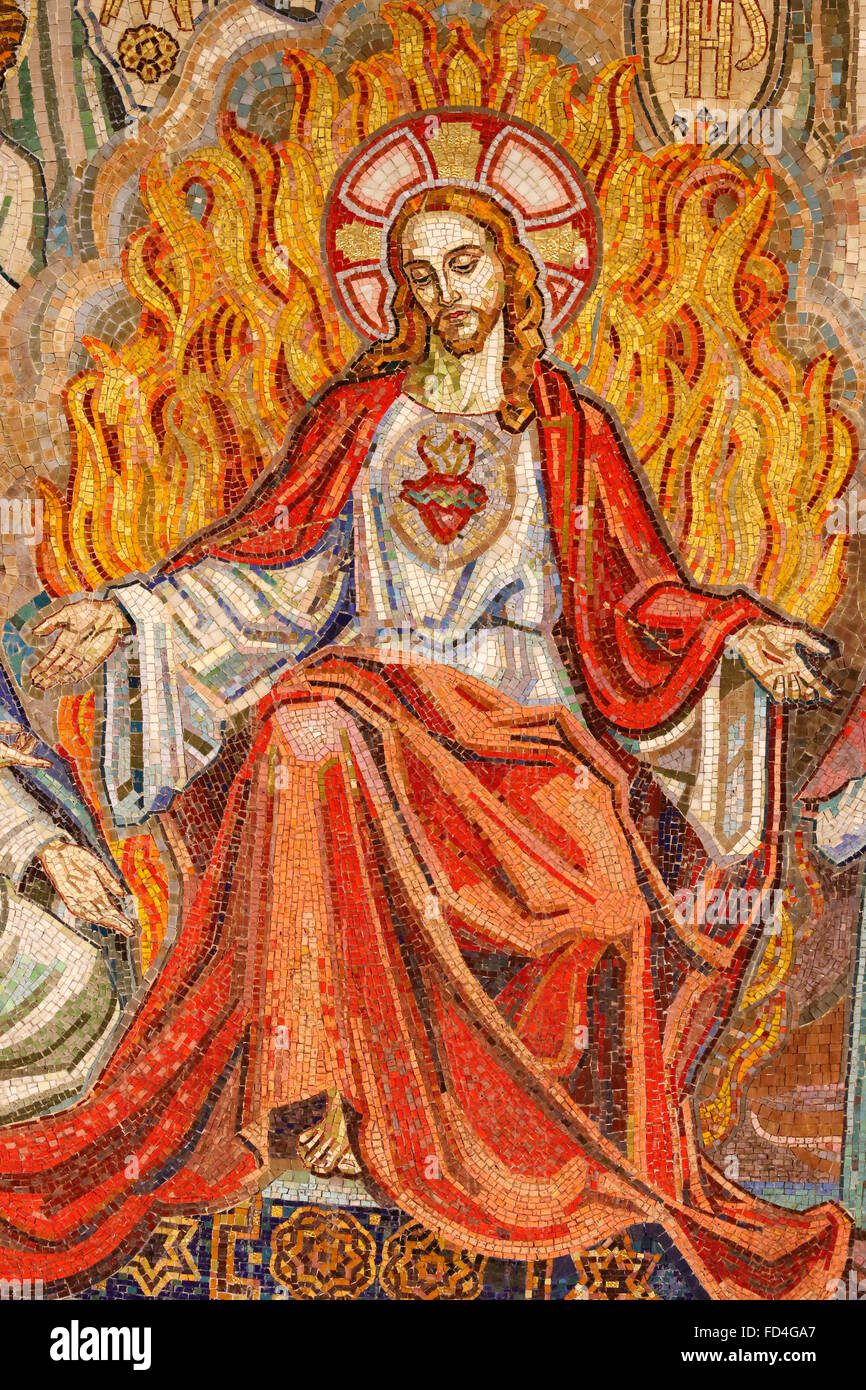
St. Claude’s spirituality was profoundly influenced by his devotion to the Sacred Heart of Jesus. This devotion emphasizes the love of Christ for humanity and the importance of responding to that love with one’s own heart. He believed that understanding the Sacred Heart was essential for a genuine Christian life. His writings and sermons often reflected this theme, encouraging others to cultivate a personal relationship with Jesus. He taught that the heart is a symbol of love, and that through love, one can encounter God in a profound way.
 St. Christopher
Key Teachings
- The Importance of Prayer: St. Claude emphasized the necessity of a regular prayer life as a means to deepen one’s relationship with God.
- God’s Mercy: He preached about the infinite mercy of God and encouraged others to trust in that mercy.
- Personal Sacrifice: St. Claude believed that true love for God often requires personal sacrifice and a willingness to serve others.
Through his teachings, St. Claude inspired many to live a life of faith that was both active and contemplative. He understood that the journey of faith involves both knowing God and serving others. His ability to articulate complex spiritual truths in a simple and relatable manner made his message accessible to a wide audience. This approach to spirituality not only drew people to him but also encouraged them to explore their own faith more deeply.
Role in the Devotion to the Sacred Heart
St. Claude De La Colombière is perhaps best known for his role in promoting the devotion to the Sacred Heart of Jesus. This devotion became particularly popular in the 17th century, and St. Claude played a crucial role in its spread. His relationship with St. Margaret Mary Alacoque, a nun who had visions of the Sacred Heart, was instrumental in this process. He supported her mission and helped to articulate the significance of her experiences to a broader audience.
St. Claude’s writings on the Sacred Heart focused on the themes of love and compassion. He described the heart of Jesus as a symbol of God’s unconditional love for humanity. He believed that through the Sacred Heart, individuals could find solace and healing. His teachings encouraged people to reflect on their own hearts and to consider how they could better embody the love of Christ in their lives. This emphasis on personal transformation was a hallmark of his spiritual approach.
 St. Christina Of Bolsena
Promoting the Devotion
- Spiritual Retreats: St. Claude organized retreats that focused on the devotion to the Sacred Heart, providing people with the tools to deepen their understanding.
- Writings and Sermons: He wrote extensively on the topic, making complex theological ideas accessible to the average believer.
- Encouraging Personal Reflection: St. Claude encouraged individuals to engage in personal reflection on the love of Christ and its implications for their lives.
Through his efforts, the devotion to the Sacred Heart gained traction, leading to its formal recognition by the Church. St. Claude’s work in this area had a lasting impact, influencing the way the Sacred Heart is understood and celebrated within the Catholic tradition. His legacy continues to inspire countless individuals to explore this devotion and to live out its principles in their daily lives.
Challenges and Trials
Despite his many accomplishments, St. Claude faced significant challenges throughout his life. His health was often a source of concern, as he struggled with various ailments that affected his ability to carry out his work. These physical challenges were compounded by the spiritual trials he encountered. At times, he experienced periods of doubt and spiritual desolation, which are common in the lives of many saints. However, he remained steadfast in his commitment to God and his mission.
One of the significant challenges he faced was opposition from within the Church. His promotion of the Sacred Heart devotion was met with skepticism by some clergy members who questioned its legitimacy. St. Claude’s unwavering faith and determination to uphold the teachings of Christ allowed him to persevere despite this opposition. He often turned to prayer as a source of strength during these difficult times, trusting that God would guide him through his struggles.
Resilience in Faith
- Prayer as Strength: St. Claude relied heavily on prayer to navigate the challenges he faced, finding comfort in his relationship with God.
- Support from Peers: He found encouragement and support from fellow Jesuits, who shared his vision and commitment to the faith.
- Trust in God’s Plan: St. Claude maintained a strong belief that God had a purpose for his life, which helped him to remain resilient.
His resilience in the face of adversity is a testament to his deep faith and commitment to his vocation. St. Claude’s life serves as an example for many who face challenges in their own faith journeys. He demonstrated that, while trials may come, a steadfast heart can remain anchored in God’s love and purpose.
Legacy and Canonization
St. Claude De La Colombière’s life and work left an indelible mark on the Catholic Church. His promotion of the Sacred Heart devotion contributed significantly to its widespread acceptance, and he is often credited with helping to lay the groundwork for its eventual formal recognition. His teachings continue to resonate with many Christians today, inspiring them to deepen their faith and to embrace the love of Christ in their lives.
His legacy was further solidified through the process of canonization. St. Claude was beatified in 1909 by Pope Pius X and canonized in 1992 by Pope John Paul II. His canonization is a recognition of his virtuous life and his contributions to the Church. The Church honors him as a saint who exemplified a life of faith, love, and service. His feast day is celebrated on February 15, allowing the faithful to remember and reflect on his life and teachings.
Influence on Modern Spirituality
- Continued Popularity of Sacred Heart Devotion: St. Claude’s teachings continue to inspire devotion to the Sacred Heart, encouraging individuals to explore this aspect of their faith.
- Spiritual Retreats and Exercises: His methods of spiritual retreats and exercises remain influential in the spiritual practices of many today.
- Encouragement of Personal Reflection: St. Claude’s emphasis on personal reflection continues to resonate, encouraging individuals to seek a deeper relationship with God.
The influence of St. Claude De La Colombière extends beyond his lifetime, as many people today seek to emulate his example of faith and dedication. His teachings on the Sacred Heart have become a central part of Catholic spirituality, and his life serves as a reminder of the importance of love and compassion in the Christian journey.
St. Claude De La Colombière’s life is a rich tapestry of faith, love, and service. His commitment to the Sacred Heart of Jesus and his dedication to spreading this devotion have left a lasting impact on the Catholic Church. Through his teachings and example, he continues to inspire countless individuals to deepen their relationship with God and to live out their faith with joy and compassion. As we reflect on his life, we are reminded of the power of love and the importance of trusting in God’s plan, even amidst life’s challenges.