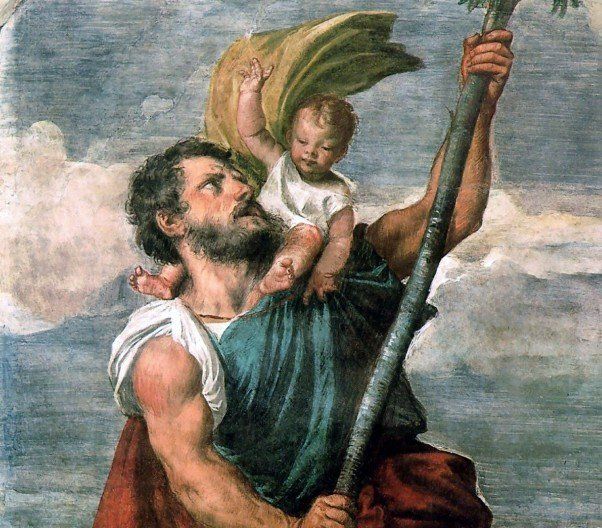
St. Christopher is one of the most well-known figures in Christian mythology, often recognized as the patron saint of travelers. His story is steeped in legend and has captured the imagination of many over the centuries. The tales surrounding St. Christopher are not only inspirational but also serve as a reminder of the virtues of faith, strength, and protection. His name, which means “Christ-bearer,” symbolizes his role in carrying Christ across a river, showcasing the themes of sacrifice and devotion. In this article, we will explore the life, legends, and significance of St. Christopher in greater detail.
The Life of St. Christopher
The historical existence of St. Christopher is a topic of debate among scholars. Many believe that he lived during the 3rd century, while others argue that he may not have existed at all. According to legend, he was a giant of a man, known for his incredible strength. St. Christopher’s original name was Reprobus, and he was said to be a fierce warrior who sought to serve the strongest king. This quest for strength led him to serve the devil, but upon realizing the devil’s weakness to Christ, he decided to abandon that path. This pivotal moment marked the beginning of his journey toward faith.
 St. Christina Of Bolsena
St. Christopher’s life took a significant turn when he encountered a hermit who taught him about Christ. The hermit explained that by serving Christ, he could serve the greatest king of all. Inspired by this new understanding, Christopher dedicated himself to helping others. His most famous act of service came when he offered to help travelers cross a dangerous river. This act of kindness would become the cornerstone of his legend, illustrating his commitment to helping those in need.
The Legend of St. Christopher
One of the most famous legends about St. Christopher involves his encounter with a small child. As the story goes, Christopher was tasked with carrying a child across a river. As he waded through the water, he felt the weight of the child increasing with each step. Despite his strength, he struggled to keep his balance and wondered why the child was so heavy. Upon reaching the other side, he learned that the child was, in fact, Christ himself. This revelation solidified Christopher’s status as the “Christ-bearer,” a title that has been revered in Christian tradition ever since.
 Jesus
JesusThis legend not only emphasizes the importance of serving others but also highlights the idea that acts of kindness can have profound implications. By helping the child, Christopher was unknowingly serving Christ, which illustrates the belief that when we help others, we are also serving God. This story has been a source of inspiration for countless individuals, encouraging them to embrace the virtues of humility and service.
Symbols and Iconography
St. Christopher is often depicted in religious art carrying the child Jesus on his shoulders while crossing a river. This imagery is powerful and serves as a reminder of his role as a protector of travelers. In many representations, he is portrayed as a tall, muscular man, symbolizing his strength and courage. The river in these depictions often represents the challenges and dangers that one may face in life. The child on his shoulders symbolizes the divine presence that guides and protects us during our journeys.
- Crossing the River: Represents overcoming obstacles.
- The Child Jesus: Symbolizes divine guidance and protection.
- Giant Figure: Illustrates strength and courage.
In addition to these common symbols, St. Christopher is also associated with a medal that many travelers wear for protection. The medal typically features an image of St. Christopher with the inscription “St. Christopher Protect Us.” Many believe that wearing this medal offers safety during travels, reinforcing the idea that faith can provide comfort and security in times of uncertainty.
 St. Charles Of Blois
The Cult of St. Christopher
The veneration of St. Christopher has grown significantly since the early centuries of Christianity. His feast day is celebrated on July 25th, and he is recognized by various Christian denominations, including the Roman Catholic Church and the Eastern Orthodox Church. The spread of his cult can be attributed to the popularity of his legends and the belief in his protective qualities. Many Christians began to invoke his name during their travels, seeking his intercession for safety and guidance.
Throughout history, churches and chapels dedicated to St. Christopher have been built in various parts of the world. Pilgrimages to these sites have become a common practice, with travelers seeking blessings for their journeys. The devotion to St. Christopher is especially prevalent among those who travel frequently, such as truck drivers, pilots, and tourists. This practice highlights the enduring significance of St. Christopher as a symbol of safety and protection in the modern world.
St. Christopher in Different Cultures
St. Christopher’s influence extends beyond Western Christianity. In various cultures, he is regarded as a protector and a figure of strength. For instance, in some Latin American countries, he is celebrated with festivals and processions that honor his legacy. During these celebrations, people often carry images of St. Christopher, seeking blessings for safe travels and protection from harm.
- Latin America: Festivals and processions are common.
- Eastern Europe: St. Christopher is often invoked for protection during journeys.
- Asia: Some cultures have adopted his figure as a guardian of travelers.
In addition to these cultural celebrations, St. Christopher’s image can be found in various forms of art and literature. His story has inspired countless works, from paintings to poems, each capturing the essence of his life and the virtues he represents. This cross-cultural reverence underscores the universal themes of protection, service, and faith that St. Christopher embodies.
Theological Significance
St. Christopher’s story holds deep theological significance within Christianity. His transformation from a fierce warrior serving the devil to a devoted servant of Christ represents the power of redemption. This journey of faith serves as a reminder that anyone, regardless of their past, can find their way to God. The act of carrying Christ across the river symbolizes the importance of bearing the burdens of others, a central tenet of Christian teaching.
Moreover, St. Christopher’s life exemplifies the call to serve others. In the Gospels, Jesus teaches that serving others is akin to serving Him. St. Christopher’s actions echo this message, as he dedicated his life to helping travelers in need. His story encourages believers to embrace a life of service, compassion, and love for others, reflecting the core values of Christianity.
St. Christopher in Modern Times
In contemporary society, St. Christopher remains a beloved figure among Christians and is often invoked for protection during travels. Many people still carry St. Christopher medals or keychains as a symbol of their faith and a reminder of his protective presence. The enduring popularity of St. Christopher can be seen in various communities, where his legacy continues to inspire acts of kindness and service.
- Travel Safety: Many people pray to St. Christopher before embarking on journeys.
- Charitable Acts: His story inspires individuals to help those in need.
- Community Celebrations: Local festivals and events often honor his legacy.
Additionally, St. Christopher’s message of hope and protection resonates in a world that often feels uncertain. In times of crisis or difficulty, many turn to his story for comfort and strength. His legacy serves as a beacon of light, reminding individuals that they are never alone on their journeys, and that faith can provide solace and guidance.
The Legacy of St. Christopher
The legacy of St. Christopher is rich and multifaceted, encompassing themes of faith, protection, and service. His story has transcended time and cultural boundaries, continuing to inspire people across the globe. Whether through art, literature, or personal devotion, St. Christopher’s influence remains strong. He serves as a reminder that even in the face of challenges, we can find strength in faith and the support of a higher power.
As we reflect on St. Christopher’s life and the lessons it imparts, we are encouraged to embody the virtues he exemplified. By serving others, embracing faith, and seeking protection in our journeys, we can honor his legacy and continue the tradition of compassion and kindness that he represents. The story of St. Christopher is not just a tale of the past; it is a call to action for all who seek to live a life of purpose and meaning.