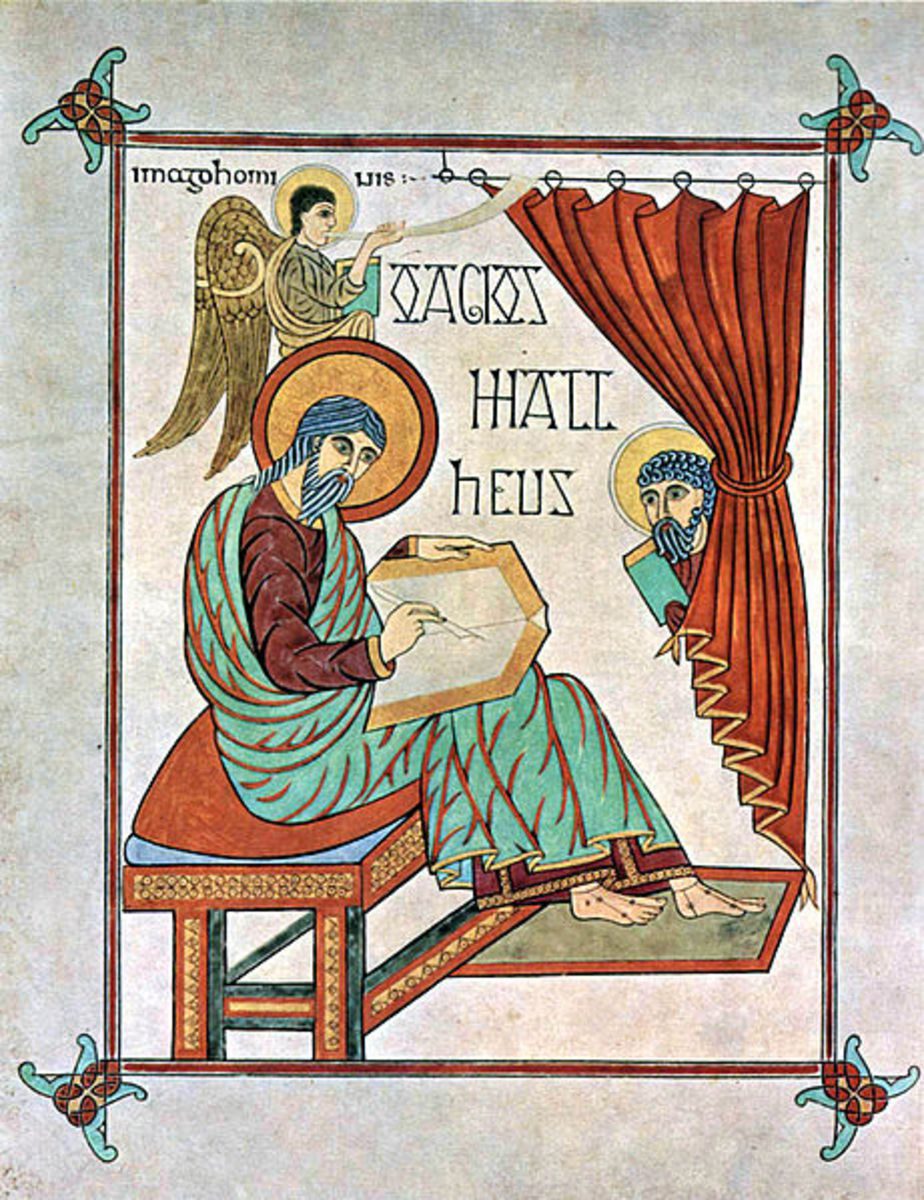
St. Caedmon is a fascinating figure in Christian mythology and the history of early English literature. He is often celebrated as the first known poet in the English language, and his life story is intertwined with the spread of Christianity in England during the 7th century. Caedmon’s contributions to religious poetry are remarkable, as they represent a significant shift in how religious themes were expressed in the vernacular. His legacy not only highlights the role of faith in early English culture but also showcases the power of poetic expression as a means of conveying spiritual truths.
The Life of St. Caedmon
St. Caedmon was born in the late 6th century in Northumbria, a region in what is now northern England. He came from a humble background, working as a herdsman on a monastic estate. His life took a significant turn when he experienced a profound religious vision. According to the accounts of his life, Caedmon was known for his inability to sing or compose poetry, a skill that was highly valued in his society. However, one night, after leaving a feast, he fell asleep in the barn where he tended to the animals. In his dream, he encountered a divine figure who instructed him to sing about the creation of the world.
Upon waking, Caedmon found that he could not only sing but also compose verses. This miraculous transformation marked the beginning of his journey as a poet. He began to share his newfound gift with others, reciting verses that celebrated God and the beauty of creation. His poetry was not only a personal expression of faith but also a means of evangelization. Caedmon’s verses resonated with the people around him, and he soon gained recognition for his talent.
Caedmon’s Poetry
Caedmon’s poetry is characterized by its religious themes and its deep connection to the natural world. His most famous work, known as “Caedmon’s Hymn,” is a short but powerful poem that praises God as the creator of the universe. The poem is notable for its simplicity and directness, making it accessible to a wide audience. The opening lines reflect Caedmon’s awe at God’s creation, emphasizing the beauty and order of the world. Through his verses, Caedmon was able to communicate complex theological ideas in a way that was relatable to the common people of his time.
 St. Bruno Of Querfurt
The themes present in Caedmon’s poetry often revolve around creation, the majesty of God, and the importance of faith. His ability to convey profound truths through simple language made his work resonate with many. In an era when Latin was the dominant language of the Church, Caedmon’s use of the vernacular was groundbreaking. He played a crucial role in the development of English religious poetry, paving the way for future poets and writers.
The Historical Context
To understand the significance of St. Caedmon, it is essential to consider the historical context in which he lived. The 7th century was a time of great change in England, particularly with the spread of Christianity. The Anglo-Saxon kingdoms were transitioning from paganism to Christianity, and this shift had a profound impact on culture and society. Monasteries became centers of learning and artistic expression, and they played a vital role in preserving and promoting religious texts.
In this context, Caedmon’s poetry served as a bridge between the old pagan traditions and the new Christian beliefs. His ability to articulate spiritual themes in the vernacular helped to make Christianity more relatable to the Anglo-Saxon people. As a result, Caedmon’s work contributed to the cultural integration of Christian values into everyday life. The monasteries that supported him also provided a space for the preservation and dissemination of his poetry, allowing it to reach a broader audience.
 St. Bruno The Great
Caedmon’s Legacy
St. Caedmon’s impact on English literature and Christian thought cannot be overstated. His work laid the foundation for future generations of poets and writers. The tradition of composing poetry in the vernacular continued to grow, leading to the emergence of significant literary figures in the centuries that followed. Caedmon is often regarded as the first English poet, and his influence can be seen in the works of later writers such as Alfred Lord Tennyson and John Milton.
Moreover, Caedmon’s life and poetry serve as a testament to the transformative power of faith. His story illustrates how a simple herdsman could become a revered figure through divine inspiration. This narrative continues to inspire many who seek to express their spirituality through art and creativity. Caedmon’s legacy is not only literary but also spiritual, as his verses continue to be celebrated for their depth and beauty.
Caedmon in Popular Culture
In addition to his historical and literary significance, St. Caedmon has also found a place in popular culture. His story has been retold in various forms, including literature, art, and even modern adaptations. Writers and artists often draw inspiration from his life, portraying him as a symbol of creativity and divine inspiration. This representation emphasizes the idea that art and faith can coexist and enrich one another.
Various adaptations of Caedmon’s story can be found in contemporary literature, where authors explore themes of faith, creativity, and personal transformation. His life serves as a reminder that inspiration can come from unexpected places and that ordinary individuals can have a profound impact on their communities. In this way, Caedmon’s legacy continues to resonate with people today, inspiring them to explore their own creativity in relation to their faith.
Conclusion of St. Caedmon’s Influence
St. Caedmon’s life and work represent a pivotal moment in the history of English literature and Christian thought. His ability to compose poetry that celebrated God’s creation and conveyed spiritual truths in the vernacular set a precedent for future generations. Caedmon’s legacy is a testament to the power of faith and creativity, demonstrating that art can be a powerful medium for expressing profound beliefs. As we reflect on his contributions, we are reminded of the enduring impact of his poetry and the role of faith in shaping cultural narratives.