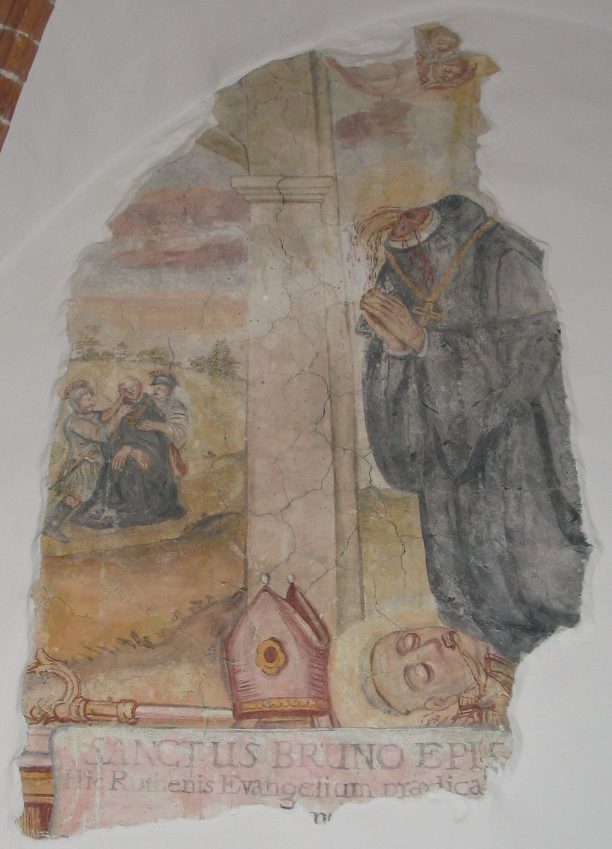
St. Bruno of Querfurt, also known as Bruno of Querfurt, is a significant figure in Christian mythology and history. He is celebrated for his missionary work and dedication to spreading Christianity in Eastern Europe during the early 11th century. His life is a testament to faith, courage, and the transformative power of belief. In this article, we will explore the life, mission, and legacy of St. Bruno of Querfurt, delving into the details of his journey and the impact he had on the regions he touched.
The Early Life of St. Bruno
St. Bruno was born around the year 974 in the region that is now modern-day Germany. He belonged to a noble family, which provided him with a privileged upbringing. His early life was marked by education and the development of strong moral values. From a young age, Bruno showed a deep interest in religion and spirituality. He pursued studies in various religious texts and was influenced by the teachings of the Church. This foundation laid the groundwork for his future endeavors as a missionary.
 St. Bruno The Great
Bruno’s family background played a significant role in shaping his character. His noble status allowed him to travel and meet influential people, including church leaders. These connections would later aid him in his mission to spread Christianity. As he grew older, Bruno felt a calling to dedicate his life to God. This calling led him to join a monastic community, where he deepened his understanding of Christian teachings and practices.
During his time in the monastery, Bruno developed a strong sense of purpose. He was deeply moved by the plight of people who had not yet heard the message of Christ. This concern for the spiritual well-being of others would become a defining characteristic of his life. Bruno began to feel a strong desire to venture beyond the familiar borders of his homeland and share the message of Christianity with those who had yet to embrace it.
The Missionary Journey Begins
Bruno’s missionary journey began in earnest when he decided to travel to the lands of the Slavs. In the early 11th century, many regions in Eastern Europe were still steeped in pagan traditions. Bruno saw this as an opportunity to bring the teachings of Christ to those who had not yet experienced the transformative power of faith. His journey was fraught with challenges, but his unwavering determination drove him forward.
 St. Bruno
Bruno’s first significant mission took him to the region known as Pomerania, located along the Baltic Sea. This area was inhabited by various Slavic tribes who practiced paganism. Bruno faced the daunting task of convincing these people to abandon their traditional beliefs and embrace Christianity. He approached this challenge with a combination of compassion and conviction, understanding that change often takes time and patience.
During his time in Pomerania, Bruno established a small community of Christian believers. He focused on teaching the fundamentals of Christianity, including the importance of love, forgiveness, and community. His approach was not only about conversion but also about building a sense of belonging among the newly converted. Bruno believed that a strong community was essential for sustaining faith and promoting spiritual growth.
Challenges and Triumphs
Bruno’s missionary efforts were not without obstacles. He faced significant opposition from local pagan leaders who saw his presence as a threat to their traditional way of life. The resistance he encountered was often fierce, with some tribes resorting to violence to protect their beliefs. However, Bruno remained steadfast in his commitment to his mission. He understood that true change often requires perseverance in the face of adversity.
 St. Brieuc
Despite the challenges, Bruno experienced moments of triumph that fueled his determination. He witnessed the transformative power of faith in individuals who had embraced Christianity. Many of these converts became passionate advocates for the new faith, helping to spread the message further into their communities. Bruno’s leadership and dedication inspired those around him, creating a ripple effect that encouraged others to join the cause.
One of the most notable events during Bruno’s mission was his encounter with a local chief who was initially hostile to his presence. Through dialogue and understanding, Bruno was able to change the chief’s perspective. This pivotal moment not only solidified Bruno’s reputation as a compassionate leader but also opened the door for further evangelization efforts in the region. The chief eventually became a supporter of Christianity, demonstrating the profound impact that dialogue and empathy can have in bridging cultural divides.
The Legacy of St. Bruno of Querfurt
St. Bruno’s legacy extends far beyond his lifetime. His missionary work laid the foundation for the spread of Christianity in Eastern Europe, particularly among the Slavic peoples. The communities he established continued to flourish long after his departure, becoming centers of Christian learning and worship. Bruno’s influence can still be felt today in the traditions and practices of various Eastern European Christian denominations.
In addition to his missionary efforts, St. Bruno is also remembered for his writings. He documented his experiences and the challenges he faced, providing valuable insights into the early days of Christian missions. His writings serve as a historical record of the cultural exchanges that took place during this time, highlighting the complexities of spreading a new faith in a diverse world.
Bruno’s commitment to his mission ultimately led to his martyrdom. He was killed in 1009 while attempting to spread Christianity among the Hungarians. His death is seen as a testament to his unwavering faith and dedication to his cause. Following his martyrdom, he was canonized as a saint, and his feast day is celebrated on June 15. His life serves as an enduring reminder of the sacrifices made by those who seek to share their faith with others.
St. Bruno’s Influence on Christian Missions
The impact of St. Bruno of Querfurt on Christian missions cannot be overstated. His approach to evangelization emphasized the importance of understanding and respecting local cultures. Bruno believed that successful missionary work required more than simply preaching; it involved building relationships and fostering a sense of community among converts. This philosophy laid the groundwork for future missionaries who sought to spread Christianity in diverse cultural contexts.
Bruno’s legacy also includes his role in establishing a network of support for missionaries. He recognized the importance of collaboration and communication among those engaged in similar efforts. This collaborative spirit helped create a sense of unity among missionaries, allowing them to share resources, experiences, and strategies for effective evangelization. Bruno’s influence can be seen in the way that later missionary movements emphasized the need for teamwork and mutual support.
Moreover, St. Bruno’s life serves as an inspiration for countless individuals who seek to make a difference in the world through their faith. His story is a reminder that even in the face of adversity, one person’s dedication can have a profound impact on the lives of many. The principles of compassion, understanding, and perseverance that Bruno embodied continue to resonate with those who strive to spread love and faith in their communities.
St. Bruno in Modern Christianity
In contemporary Christianity, St. Bruno of Querfurt is honored as a symbol of commitment and courage. His life story is often referenced in discussions about the importance of missionary work and the challenges faced by those who seek to spread their faith. Many churches and Christian organizations draw inspiration from Bruno’s example, encouraging their members to engage in service and outreach efforts.
Additionally, St. Bruno’s feast day is celebrated in various Christian denominations, particularly within the Catholic Church. His life and contributions are remembered in liturgical celebrations, prayers, and reflections. These observances serve as an opportunity for believers to reflect on their own faith journeys and consider how they can contribute to the mission of spreading love and compassion in the world.
In educational settings, St. Bruno’s story is often included in curricula that explore the history of Christianity and its expansion across different regions. His experiences serve as a valuable case study for students studying religious missions, intercultural communication, and the complexities of faith in diverse societies. Through these discussions, the legacy of St. Bruno continues to inspire new generations of individuals committed to making a positive impact in their communities.
The life and legacy of St. Bruno of Querfurt remind us of the enduring power of faith and the importance of compassion in our interactions with others. His commitment to spreading Christianity in Eastern Europe serves as an inspiration for all who seek to make a difference in the world. As we reflect on his journey, we are encouraged to embrace the values of love, understanding, and perseverance in our own lives.