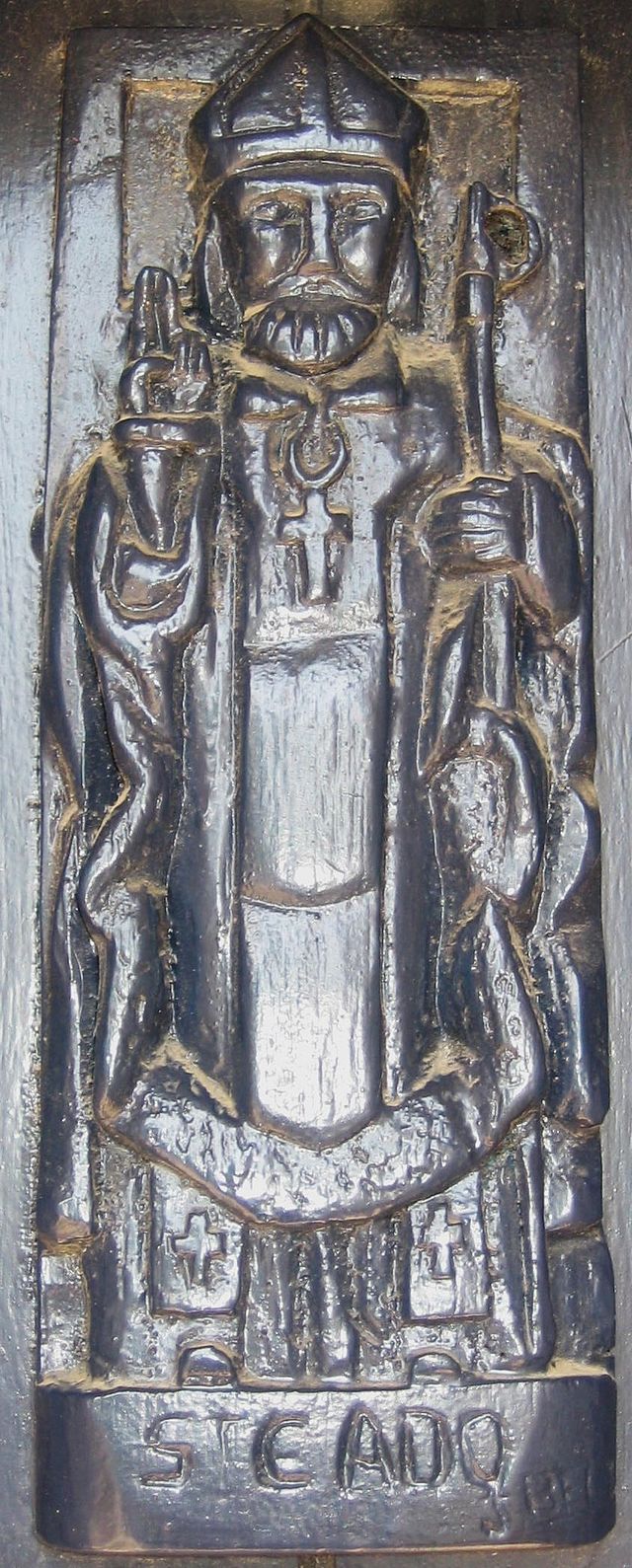
St. Cadoc, a significant figure in Christian mythology, has long been celebrated for his contributions to the early Christian church in Britain. His life and legacy offer a fascinating glimpse into the early days of Christianity in the region, particularly during the 6th century. Known for his piety, leadership, and dedication to spreading the teachings of Christ, St. Cadoc’s story is one of inspiration and devotion. Throughout the centuries, his influence has been felt not only in Wales but also in other parts of the British Isles. This article delves into the life, miracles, and lasting impact of St. Cadoc.
Life of St. Cadoc
St. Cadoc was born in the early 6th century, likely around the year 500 AD, in what is now known as Wales. His family belonged to the noble lineage, and his father was a local chieftain. This noble background provided him with the means to receive a solid education, which would later aid him in his missionary work. Cadoc was known for his exceptional intelligence and spiritual depth from a young age. His early life was marked by a strong desire to pursue a life of holiness and service to God.
 St. Bruno Of Querfurt
As a young man, Cadoc decided to dedicate his life to the Christian faith. He sought guidance from various spiritual leaders and eventually became a disciple of St. Illtud, a prominent monk and teacher. Under St. Illtud’s mentorship, Cadoc learned about the principles of Christianity and the importance of monastic life. He embraced a life of asceticism, spending many hours in prayer and meditation, and he became well-versed in the scriptures.
After completing his education, Cadoc felt a strong calling to spread the message of Christianity. He traveled extensively, preaching the Gospel in different parts of Wales and beyond. His journeys took him to various regions, where he established monasteries and congregations. His missionary work was instrumental in converting many people to Christianity, helping to lay the foundations for the faith in the region. Cadoc’s dedication and zeal for spreading the word of God earned him a reputation as a powerful and respected leader.
Miracles and Legends
The life of St. Cadoc is filled with numerous miracles and legends that showcase his divine favor and connection to God. These stories have been passed down through generations and continue to inspire believers today. One of the most famous miracles attributed to St. Cadoc involves his ability to heal the sick. Many accounts describe how he would lay his hands on those afflicted by various ailments, and they would be miraculously cured. This gift of healing drew many people to him, and his reputation as a healer spread far and wide.
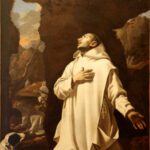 St. Bruno The Great
Another notable miracle is the story of how St. Cadoc was able to calm a fierce storm while he was traveling by boat. As the winds howled and the waves crashed around him, Cadoc prayed fervently, asking for God’s protection. Miraculously, the storm subsided, and the sea became calm once more. This event not only demonstrated his faith but also solidified his status as a man of God in the eyes of those who witnessed it.
St. Cadoc was also known for his ability to communicate with animals. According to legend, he could tame wild beasts and even converse with them. One story tells of how he encountered a ferocious wolf that was terrorizing a local village. Instead of being afraid, Cadoc approached the wolf and spoke to it with authority. The wolf, recognizing his holiness, ceased its attacks and became a protector of the area. This tale illustrates the profound connection St. Cadoc had with nature and the respect he commanded from all living beings.
Monastic Life and Contributions
St. Cadoc’s contributions to monastic life in Britain were significant. He established a number of monasteries throughout Wales, which became centers of learning, prayer, and community life. One of the most famous monasteries he founded was at Llancarfan, which became a prominent religious site. These monasteries were not only places of worship but also served as schools for educating young men in the Christian faith. Cadoc emphasized the importance of knowledge and spirituality, fostering an environment where education flourished.
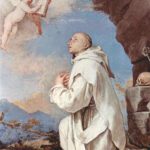 St. Bruno
The monasteries established by St. Cadoc played a crucial role in the preservation of Christian teachings during a time of political instability. They served as safe havens for monks and laypeople alike, providing shelter and support. St. Cadoc’s leadership style encouraged collaboration and mutual respect among the monks, fostering a sense of community that was vital for the growth of Christianity in the region.
In addition to his work in monasticism, St. Cadoc was also a key figure in the development of Christian practices in Wales. He advocated for the observance of traditional Christian rituals and was instrumental in the establishment of local customs that blended Celtic traditions with Christian beliefs. His efforts helped to create a unique Christian identity in Wales, which still resonates in the culture today. The legacy of St. Cadoc’s work in monastic life and community building continues to be celebrated by many.
St. Cadoc’s Influence on Christianity
St. Cadoc’s influence on Christianity in Wales and beyond cannot be overstated. His dedication to spreading the Gospel and establishing monastic communities laid the groundwork for the growth of the church in the region. Many of his disciples went on to become influential leaders themselves, furthering the reach of Christianity. His impact extended beyond Wales, as his teachings and practices spread to other parts of Britain, influencing the development of the church as a whole.
Furthermore, St. Cadoc’s commitment to education and scholarship contributed to the intellectual revival of the early medieval period. The monasteries he founded became centers of learning, preserving ancient texts and producing new writings that enriched Christian thought. This intellectual legacy had a lasting impact on the church and society, as it fostered a culture of inquiry and reflection that would shape the future of Christianity in the region.
St. Cadoc is also remembered for his role in fostering unity among different Christian communities. During a time when various factions within Christianity often clashed, Cadoc promoted dialogue and understanding. His emphasis on love and compassion helped to bridge divides, creating a more harmonious environment for the practice of faith. This spirit of unity remains a vital aspect of Christian teachings today.
Celebration and Legacy
The legacy of St. Cadoc is celebrated in various ways, particularly in Wales, where he is recognized as one of the country’s patron saints. His feast day is observed on March 24th, with many churches holding special services in his honor. Pilgrimages to sites associated with St. Cadoc, such as Llancarfan, are common, as people seek to connect with his spirit and draw inspiration from his life.
In addition to religious observances, St. Cadoc’s legacy is reflected in the cultural heritage of Wales. Numerous places, churches, and institutions bear his name, serving as a testament to his enduring impact. The stories of his miracles and teachings continue to be shared, inspiring new generations to embrace the values he championed, such as compassion, humility, and service to others.
Furthermore, the influence of St. Cadoc can be seen in the artistic expressions of faith throughout Wales. From stained glass windows in churches to sculptures and paintings, his image and stories are depicted, serving as reminders of his contributions to the Christian faith. This artistic legacy helps to keep his memory alive, encouraging people to reflect on the importance of faith and community in their lives.
St. Cadoc in Modern Times
In modern times, St. Cadoc’s teachings and example continue to resonate with many people. His life serves as a model for those seeking to live a life of faith and service in today’s world. Many churches and religious organizations draw inspiration from his dedication to spreading the Gospel and his commitment to community building. His emphasis on education and learning remains relevant, as many continue to seek knowledge and understanding in their spiritual journeys.
Moreover, St. Cadoc’s legacy is celebrated in various educational institutions, particularly in Wales, where his name is associated with schools and colleges. These institutions often emphasize the values of compassion, integrity, and service that St. Cadoc embodied. By instilling these principles in their students, they aim to carry forward his mission of fostering a caring and just society.
Additionally, St. Cadoc’s influence can be felt in interfaith dialogues and community initiatives that promote understanding and cooperation among different religious groups. His commitment to unity and compassion serves as a guiding principle for those seeking to bridge divides and build a more inclusive society. The values he championed remain vital in addressing contemporary challenges, reminding us of the importance of empathy and understanding in our interactions with others.