
St. Bruno the Great, also known as St. Bruno of Cologne, was a significant figure in Christian mythology and history. He is primarily remembered for his role in the establishment of the Carthusian order, which is known for its strict adherence to a life of prayer and solitude. His life and works are often celebrated within the Christian community, as they embody the ideals of devotion, asceticism, and spiritual discipline. Bruno was born in 1030 in Cologne, Germany, and his early life was marked by an intense pursuit of knowledge and faith. This article delves into the life of St. Bruno, his contributions to Christianity, and the legacy he left behind.
Early Life of St. Bruno
St. Bruno was born into a noble family in Cologne, which was a prominent city during the early medieval period. His upbringing in a wealthy household provided him with access to education and the opportunity to study various subjects, including theology. Bruno was known for his intelligence and commitment to learning. He pursued his studies at the cathedral school in Reims, where he became well-versed in the teachings of the Church. This foundation in theological education would later influence his spiritual journey and his decision to dedicate his life to God.
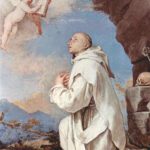 St. Bruno
As a young man, Bruno was deeply affected by the moral decline he observed in the Church and society around him. He became increasingly disillusioned with the materialism and corruption that he perceived within the clergy. This discontent led him to seek a more authentic expression of his faith. Bruno’s early experiences shaped his understanding of spirituality and motivated him to pursue a path of greater holiness and simplicity. He believed that true happiness could only be found through a life dedicated to God and the service of others.
The Formation of the Carthusian Order
One of the most significant contributions of St. Bruno was the founding of the Carthusian order in 1084. This religious order was established in the Chartreuse Mountains near Grenoble, France. Bruno envisioned a community of monks who would live a life of solitude, prayer, and contemplation, separated from the distractions of the world. The Carthusians were unique in their commitment to both communal living and individual solitude, which allowed each monk to focus on his personal relationship with God while also engaging in community life.
The Carthusian order emphasized a strict lifestyle that included silence, prayer, and manual labor. Each monk was required to follow a rigorous daily schedule that allowed for ample time for meditation and reflection. This balance between communal activities and personal prayer was essential to the Carthusian way of life. Bruno’s vision was not only to create a monastic community but also to foster an environment where monks could deepen their spiritual lives and grow closer to God. The Carthusian order would later become renowned for its commitment to asceticism and deep spiritual practices.
 St. Brieuc
Key Principles of the Carthusian Life
- Silence: Silence was considered a vital element of the Carthusian life. Monks lived in near-total silence to cultivate a deep inner peace and connection with God.
- Prayer: Daily prayers and the celebration of the Eucharist were central to the Carthusian routine. Monks dedicated significant portions of their day to prayer and contemplation.
- Asceticism: The Carthusians practiced asceticism, which involved self-denial and simplicity in living. This included fasting and other forms of self-discipline.
- Work: Manual labor was an important aspect of monastic life. Monks engaged in farming, gardening, and other forms of work to support their community.
Bruno’s commitment to these principles laid the foundation for the Carthusian order’s enduring legacy. The Carthusians have maintained their traditions for centuries, and their way of life continues to attract those seeking a deeper spiritual experience. St. Bruno’s influence can still be seen in the lives of modern Carthusian monks who adhere to the principles he established.
Bruno’s Later Life and Legacy
After establishing the Carthusian order, St. Bruno continued to live a life dedicated to God and his community. He served as the prior of the first Carthusian monastery and worked diligently to ensure that the order thrived. Bruno’s leadership and guidance were instrumental in shaping the early years of the Carthusian community. He was known for his humility, wisdom, and deep faith, qualities that endeared him to his fellow monks.
 St. Bridget Of Sweden
In 1091, Bruno was invited to Sicily by Pope Urban II, who sought his counsel and guidance in matters of reform within the Church. Bruno accepted the invitation and became a spiritual advisor to the pope. During his time in Sicily, he continued to advocate for a return to the core values of the Church, emphasizing the importance of spiritual integrity and moral rectitude. Bruno’s teachings and example inspired many, and he became a respected figure in the Church.
Bruno’s Death and Canonization
- St. Bruno died on October 6, 1101, in Calabria, Italy.
- His death marked the end of a life dedicated to God and the pursuit of holiness.
- Bruno was canonized by Pope Leo X in 1514, recognizing his contributions to the Church and his exemplary life.
- Today, St. Bruno is celebrated as a saint and is remembered for his role in the Carthusian order.
The canonization of St. Bruno solidified his legacy within the Christian tradition. His feast day is celebrated on October 6, and many churches honor him as a patron saint of spirituality and contemplative life. The Carthusian order continues to thrive, with monasteries around the world dedicated to the principles established by St. Bruno. His life serves as an inspiration for those seeking a deeper relationship with God and a commitment to a life of prayer and solitude.
St. Bruno in Christian Art and Literature
St. Bruno has been depicted in various forms of Christian art and literature throughout the centuries. Artists have sought to capture his essence and the ideals he represented. In paintings, he is often portrayed wearing the simple robes of a Carthusian monk, symbolizing his commitment to a life of humility and asceticism. Many artworks depict him in prayer or contemplation, highlighting his deep spiritual life. These representations serve as a reminder of his dedication to God and his role as a spiritual leader.
In literature, St. Bruno’s life and teachings have been explored by various authors and theologians. His writings, although limited, have inspired many to reflect on the importance of a contemplative life. The Carthusian order itself has produced numerous texts that delve into the spiritual practices and teachings of St. Bruno. These writings emphasize the significance of silence, solitude, and prayer in cultivating a deep relationship with God. Through art and literature, St. Bruno’s legacy continues to influence and inspire individuals seeking a deeper understanding of their faith.
Modern Influence of St. Bruno
- St. Bruno’s teachings resonate with those seeking a more contemplative approach to spirituality.
- The Carthusian order attracts individuals who desire a life of silence and prayer.
- Many retreat centers and spiritual organizations draw inspiration from St. Bruno’s emphasis on solitude and reflection.
- His life serves as a model for those looking to deepen their faith and commitment to God.
In today’s fast-paced world, the teachings of St. Bruno remain relevant as individuals seek moments of peace and connection with the divine. His emphasis on the importance of silence and contemplation is particularly significant in an era marked by constant distractions. Many people find solace in the practices established by St. Bruno, seeking to incorporate moments of quiet reflection into their daily lives. The legacy of St. Bruno the Great continues to inspire and guide those on their spiritual journeys.
St. Bruno the Great is a significant figure in Christian mythology and history. His contributions to the Carthusian order and his commitment to a life of prayer and solitude have left a lasting impact on the Church. Bruno’s life exemplifies the values of devotion, asceticism, and spiritual discipline, serving as an inspiration for generations of Christians. His teachings and the principles of the Carthusian order continue to resonate with individuals seeking a deeper relationship with God. Through his life and legacy, St. Bruno invites all to embark on a journey of faith, contemplation, and spiritual growth.