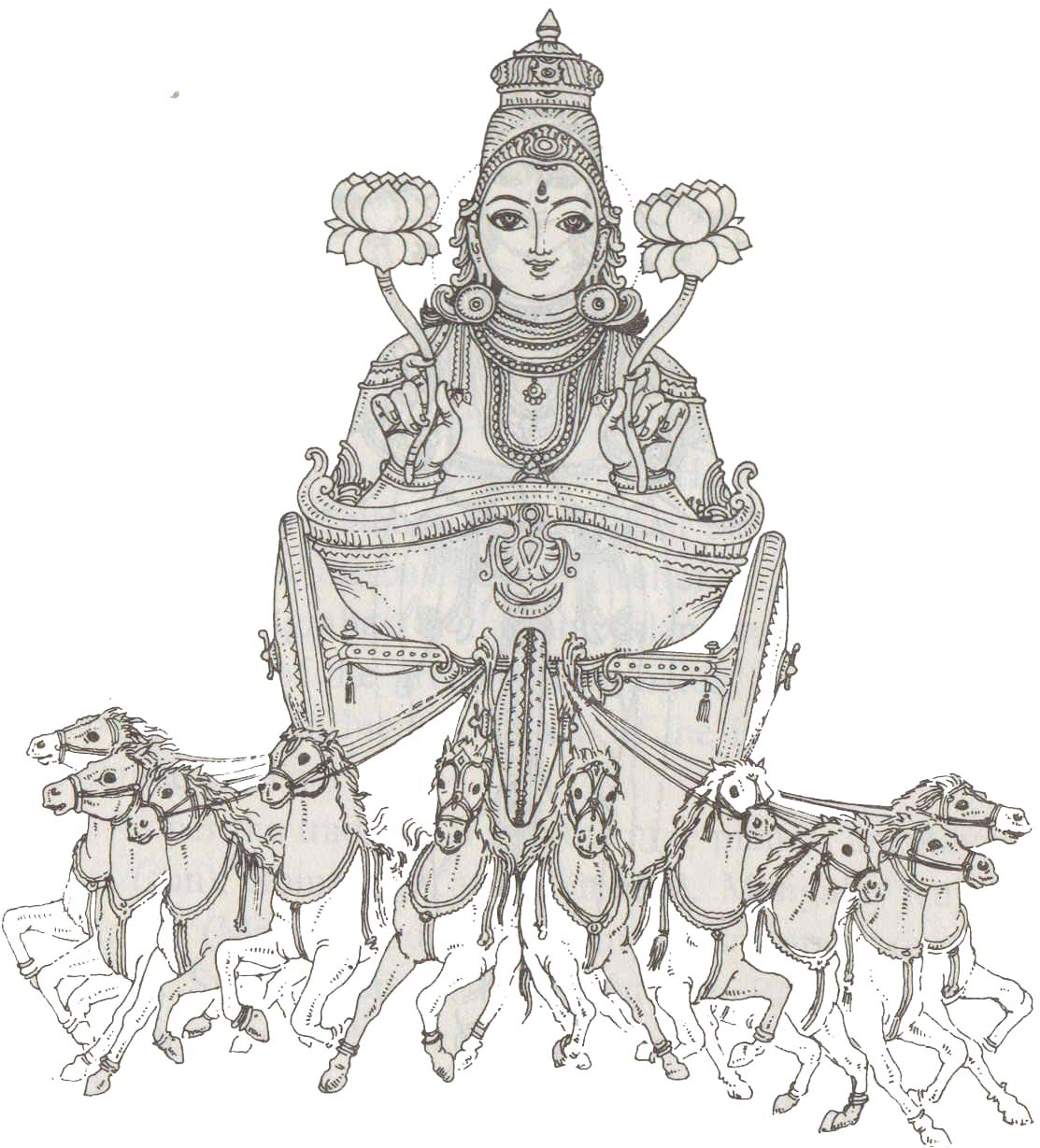
Soma is a significant figure in Hindu mythology, often associated with the moon and a sacred drink. This drink, known as Soma, played a crucial role in ancient rituals and was believed to confer immortality and divine qualities upon those who consumed it. The concept of Soma is deeply embedded in the Vedic texts, particularly in the Rigveda, where it is celebrated for its intoxicating and life-giving properties. The Vedic people revered Soma not only as a deity but also as a substance that could bridge the gap between the mortal and the divine.
The Origins of Soma
The origins of Soma can be traced back to the ancient Indo-Iranian culture, where it was a central part of religious practices. In the Rigveda, Soma is described as both a plant and a deity. The text includes numerous hymns dedicated to Soma, illustrating its importance in Vedic rituals. The Vedic people believed that the consumption of Soma could lead to a closer connection with the gods, enhancing their spiritual experience. This connection is evident in the way Soma is often depicted as a source of inspiration and divine knowledge.
 Sita
SitaMany scholars have debated the exact identity of the Soma plant, with various theories suggesting it could be a type of mushroom or a specific kind of plant. Some suggest that it may have been derived from plants like Ephedra or Ayahuasca, known for their psychoactive properties. However, the exact identity remains uncertain, and the mystery surrounding Soma adds to its allure in Hindu mythology.
Soma in Vedic Rituals
The role of Soma in Vedic rituals cannot be overstated. It was integral to many sacrificial ceremonies, where it was offered to the gods as a means of obtaining their favor. The Soma sacrifice involved the extraction of the juice from the Soma plant, which was then consumed by the priests and offered to the deities. This ritual was believed to bring about prosperity, health, and divine blessings for the community.
The Soma drink was not just a physical substance; it symbolized the connection between the earthly and the divine. The act of consuming Soma was seen as a way to transcend ordinary human experiences, allowing individuals to experience visions and heightened states of consciousness. Many hymns in the Rigveda describe the ecstatic states achieved through Soma consumption, emphasizing its role as a spiritual elixir.
 Shiva
ShivaKey Rituals Involving Soma
- Soma Yajna: A ritual sacrifice dedicated to the worship of Soma, involving the offering of the drink to the deities.
- Soma Abhisheka: A ceremonial pouring of Soma over the idol of a deity, symbolizing purification and sanctification.
- Soma Rasa: The extraction of the Soma juice, which was an essential part of the ritual preparation.
Each of these rituals served to strengthen the bond between the devotees and the divine. The communal aspect of Soma rituals was also significant, as they fostered unity among participants and reinforced social bonds within the community.
Soma as a Deity
In addition to being a drink, Soma is personified as a deity in Hindu mythology. As a god, Soma is often depicted as a luminous figure, embodying the qualities of the moon and fertility. His association with the moon symbolizes the cyclical nature of life and the passage of time, reflecting the phases of the lunar cycle. This connection to the moon also highlights the duality of light and darkness, life and death, which are central themes in Hindu philosophy.
Soma is also considered a symbol of immortality. In various texts, he is described as bestowing amrita, the nectar of immortality, to the gods and those who are deemed worthy. This aspect of Soma underscores the belief in the possibility of transcendence and eternal life through divine favor. The mythological narratives surrounding Soma often explore themes of sacrifice, renewal, and the quest for enlightenment.
 Shitala
The Symbolism of Soma
The symbolism of Soma extends beyond its physical attributes. It represents the union of opposites, such as life and death, light and darkness, and the material and spiritual realms. This duality is reflected in the way Soma is both a substance consumed by mortals and a divine entity worshipped in rituals. The drink of Soma is seen as a bridge that connects the earthly realm with the divine, allowing practitioners to experience higher states of consciousness.
Moreover, Soma’s association with the moon emphasizes the cyclical nature of existence. Just as the moon waxes and wanes, so too do the phases of life. This cyclical understanding is a fundamental aspect of Hindu cosmology, where creation and destruction are part of a continuous cycle. The consumption of Soma is symbolic of embracing this cycle, acknowledging both the joys and sorrows of life.
Soma in Later Texts and Traditions
While Soma is primarily associated with the Vedic texts, its influence extends into later Hindu traditions. In the Upanishads, for example, the concept of Soma evolves to represent a more abstract idea of enlightenment and spiritual awakening. It is no longer just a physical drink but becomes a metaphor for the divine experience and the quest for knowledge.
In various Hindu philosophical schools, Soma is often discussed in the context of meditation and spiritual practices. The idea of attaining a state of bliss or enlightenment through inner exploration parallels the ancient rituals of Soma consumption. This transformation of Soma from a physical substance to a spiritual concept illustrates the evolving nature of Hindu thought and practice over the centuries.
Influence on Other Traditions
- Zoroastrianism: The concept of a sacred drink has parallels in Zoroastrian rituals, where a similar substance is revered.
- Buddhism: The idea of achieving enlightenment through internal practices can be seen in the Buddhist pursuit of Nirvana.
- Greek Mythology: The notion of ambrosia, a divine food that grants immortality, bears resemblance to the characteristics of Soma.
The shared themes across these traditions highlight the universal quest for understanding the divine and achieving higher states of consciousness. Soma, in its various forms, serves as a reminder of the interconnectedness of spiritual beliefs across cultures.
Modern Interpretations of Soma
In contemporary discussions, Soma has taken on new meanings. Many modern spiritual practitioners view Soma as a symbol of the quest for enlightenment and self-realization. The idea of consuming a substance to achieve a higher state of consciousness resonates with current trends in spirituality, where practices such as meditation and mindfulness are emphasized. Soma is often invoked in discussions about the balance between physical and spiritual health, reflecting a holistic approach to well-being.
Additionally, the concept of Soma has found its way into popular culture, often used metaphorically to represent any substance or experience that leads to heightened awareness or altered states of consciousness. This broader interpretation allows for a diverse understanding of what Soma can represent in the modern world, transcending its original context in Hindu mythology.
The Legacy of Soma
The legacy of Soma continues to resonate in various aspects of spirituality and culture. Its profound impact on Vedic rituals and its transformation into a symbol of enlightenment reflect the enduring nature of mythological narratives. The themes of immortality, divine connection, and the cyclical nature of existence remain relevant in contemporary discussions about spirituality and the human experience.
Soma serves as a reminder of the power of ancient myths to shape our understanding of life and the universe. The rich tapestry of stories surrounding Soma encourages exploration and contemplation, inviting individuals to seek their own paths to understanding the divine. Whether viewed through the lens of ancient rituals or modern spiritual practices, Soma remains a significant figure in the realm of Hindu mythology.