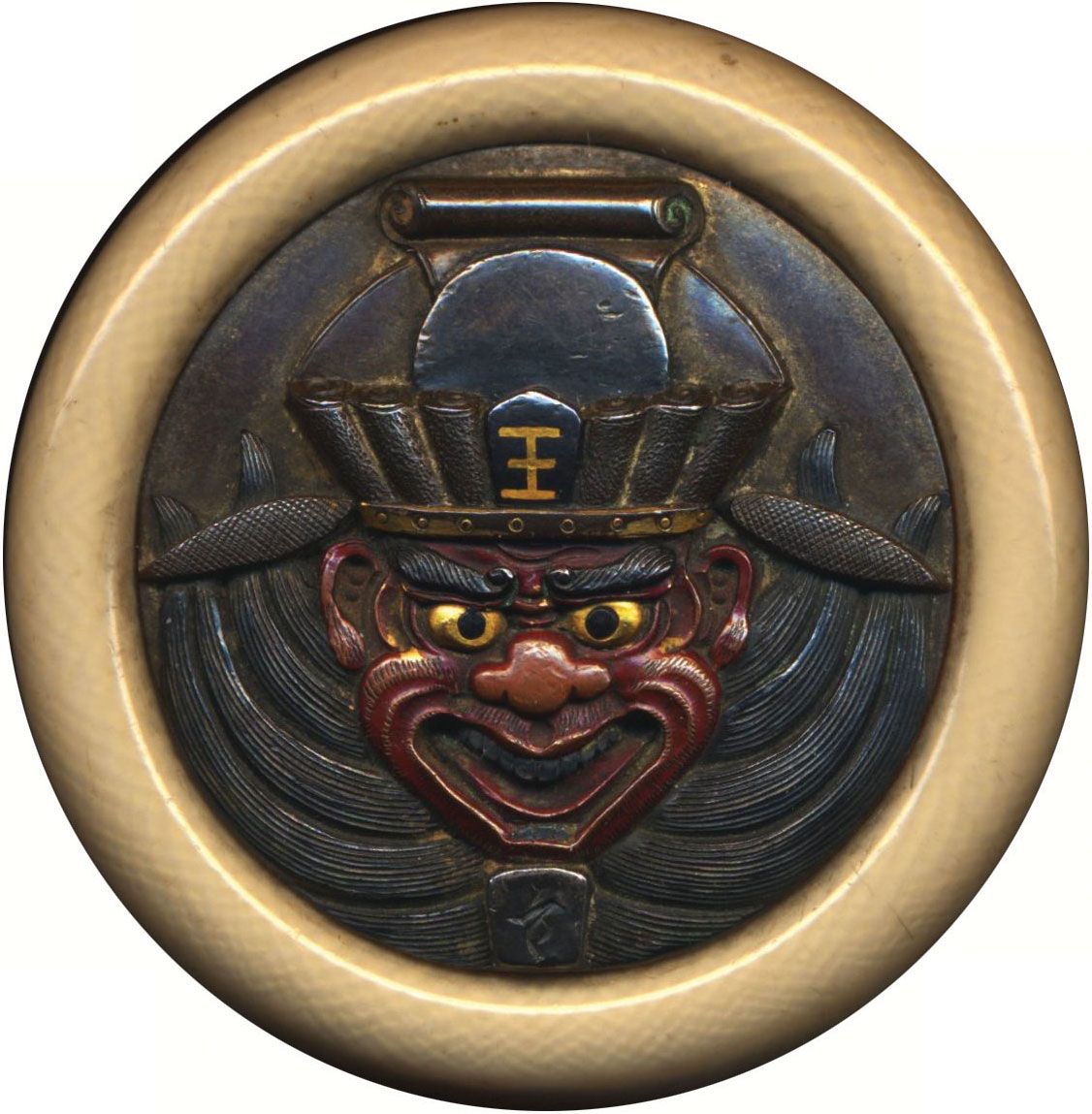
Emma-o, often referred to as the King of Hell in Buddhist mythology, holds a significant place in the beliefs and practices surrounding the afterlife in various East Asian cultures. This figure is particularly prominent in Japanese Buddhism, where he is known as Enma or Emma. The narratives surrounding Emma-o are rich and varied, incorporating elements of morality, justice, and the journey of the soul after death. Understanding Emma-o requires delving into the complexities of Buddhist teachings, the cultural adaptations in Japan, and the moral implications of his role.
The Origins of Emma-o
The concept of Emma-o can be traced back to ancient Indian beliefs about the afterlife, which were later incorporated into Buddhism. In the earliest texts, there is a figure known as Yama, the god of death, who judged the souls of the deceased. This idea was transported to China, where Yama evolved into the figure of Yanluo Wang, the King of Hell. The journey continued as these beliefs made their way to Japan, where they transformed into the character of Emma-o. This evolution highlights the adaptability of Buddhist mythology as it traveled across cultures.
 Eightfold Way
In Japan, Emma-o is often depicted as a fearsome figure, adorned with a crown and surrounded by flames. He is responsible for judging the souls of the dead, determining their fate in the afterlife. This judgment is not arbitrary; rather, it is based on the moral conduct of the individual during their lifetime. This process reflects the Buddhist belief in karma, where good deeds lead to favorable outcomes, and bad deeds result in suffering. Emma-o serves as a reminder of the consequences of one’s actions, emphasizing the importance of living a virtuous life.
The Role of Emma-o in the Afterlife
Emma-o’s primary role in Buddhist mythology is that of a judge of the dead. When a person dies, their soul is believed to journey to the realm of Emma-o, where it undergoes a series of trials and evaluations. This journey is not merely a physical one; it represents the soul’s confrontation with its own deeds and misdeeds. Emma-o, with his immense authority, assesses these actions and determines whether the soul deserves punishment or reward in the afterlife.
The judgment process involves various mythological elements, including the weighing of a person’s deeds, akin to the scales of justice. In some narratives, Emma-o is accompanied by a group of assistants who help in this evaluation. These assistants often represent different aspects of the deceased’s life, further emphasizing the complexity of their judgment. This intricate system of evaluation underscores the Buddhist belief that every action has a consequence, reinforcing the importance of ethical living.
 Drigum Tsenpo
Symbolism of Emma-o
Emma-o is not just a figure of fear; he embodies various symbols that reflect deeper truths about life and death. His fierce appearance symbolizes the inevitability of death and the need for moral accountability. The flames that often surround him can be interpreted as a representation of purification. In many traditions, fire is seen as a means of cleansing, suggesting that even those who have erred in life can find redemption through suffering.
Additionally, Emma-o’s role as a judge highlights the importance of self-reflection. His presence in Buddhist teachings serves as a reminder for individuals to consider their actions and their impact on others. This aspect of Emma-o encourages followers to lead lives filled with compassion and mindfulness, understanding that their choices have far-reaching effects. In this way, Emma-o transcends the role of a mere judge; he becomes a guide for moral living.
Emma-o in Popular Culture
Emma-o’s influence extends beyond religious texts and teachings; he has made significant appearances in popular culture, particularly in Japan. He is often featured in various forms of art, literature, and media, illustrating the lasting impact of his character. In traditional Japanese paintings, Emma-o is depicted in elaborate scenes, showcasing his power and authority in the afterlife. These artworks serve not only as religious icons but also as cultural artifacts that reflect the societal values of the time.
 Palden Lhamo
In contemporary media, Emma-o appears in anime, manga, and video games, often portrayed as a character who embodies justice and moral righteousness. These modern interpretations help to keep the mythology alive, introducing Emma-o to new generations. By integrating Emma-o into popular culture, creators bridge the gap between ancient beliefs and modern storytelling, allowing audiences to engage with these themes in relatable ways.
Emma-o and the Concept of Karma
The relationship between Emma-o and the concept of karma is pivotal in understanding his role in Buddhist mythology. Karma refers to the law of moral causation, where every action has a corresponding reaction. This principle is fundamental to Buddhist teachings, emphasizing that individuals are responsible for their actions and the consequences that follow. Emma-o acts as a guardian of this principle, ensuring that souls are held accountable for their deeds.
When a soul arrives before Emma-o, its past actions are meticulously examined. This process reinforces the idea that one’s life choices shape their future, both in this life and the next. Emma-o’s judgments serve as a reminder of the importance of living ethically, as every good deed contributes to positive karma, while negative actions lead to suffering. This cycle of cause and effect is a core tenet of Buddhism, and Emma-o embodies this belief through his role as a judge.
Rituals and Practices Related to Emma-o
In various Buddhist traditions, rituals and practices related to Emma-o play a crucial role in the spiritual lives of followers. One common practice is the offering of prayers and rituals for the deceased, seeking Emma-o’s guidance and mercy in the afterlife. Families often perform these rituals during memorial services, hoping to ensure that their loved ones receive favorable judgments and are guided toward a peaceful existence in the next life.
- Prayers for the deceased are often recited in front of altars dedicated to Emma-o.
- Some traditions involve the use of symbolic offerings, such as food and incense, to appease Emma-o.
- Festivals dedicated to Emma-o provide an opportunity for communities to come together and honor the memory of those who have passed.
These rituals not only serve to honor the dead but also provide comfort to the living. Engaging in practices related to Emma-o allows individuals to reflect on their own lives, fostering a sense of responsibility and mindfulness. This cycle of remembrance and reflection is an integral part of Buddhist culture, linking the past, present, and future.
Comparative Analysis with Other Mythologies
Emma-o’s role as a judge of the dead can be compared to figures in other mythologies, revealing both similarities and differences. In ancient Egyptian mythology, Osiris serves as a judge of the dead, weighing the hearts of the deceased against a feather to determine their fate. Similarly, in Greek mythology, Hades oversees the underworld, where souls are judged based on their earthly actions. These figures, like Emma-o, represent the universal theme of accountability after death.
However, there are notable differences in the approach to judgment and the afterlife in these mythologies. For instance, while Emma-o’s judgments are influenced by the concept of karma, the Egyptian and Greek systems often focus on a more binary outcome of reward or punishment. This distinction highlights the unique aspects of Buddhist beliefs, where the emphasis is placed on the continuous cycle of rebirth and moral development rather than a final judgment.
The Legacy of Emma-o
Emma-o’s legacy is deeply intertwined with the cultural and spiritual fabric of societies influenced by Buddhism. His character has evolved over centuries, adapting to the changing beliefs and practices of different cultures. As a symbol of justice and moral responsibility, Emma-o continues to resonate with people, serving as a reminder of the importance of ethical living.
In modern times, the teachings and stories surrounding Emma-o inspire individuals to reflect on their own lives and actions. The emphasis on karma and moral accountability encourages a deeper understanding of the consequences of one’s choices. This legacy extends beyond religious contexts, influencing broader societal values and ethical considerations.
Emma-o stands as a profound figure in Buddhist mythology, embodying themes of justice, morality, and the journey of the soul after death. His role as a judge highlights the importance of ethical living, while his presence in popular culture ensures that his teachings remain relevant. As individuals continue to engage with the narratives surrounding Emma-o, they are reminded of the significance of their actions and the impact they have on their lives and the lives of others.