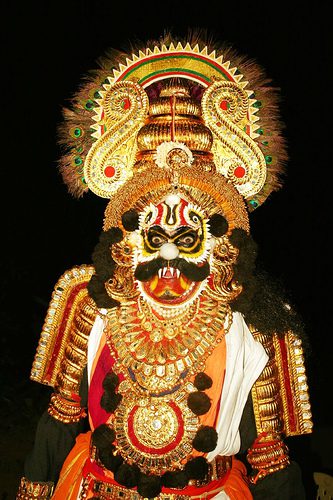
In Hindu mythology, Rakshasas are often depicted as malevolent beings who possess immense power and magical abilities. They are known for their fierce nature and are frequently portrayed as antagonists in various stories. Rakshasas can change their shape at will, making them particularly formidable foes. Their characteristics and behaviors vary widely, but they are generally associated with chaos and destruction. These beings are often in conflict with the gods and heroes of Hindu mythology, leading to numerous epic battles and moral lessons.
The Origins of Rakshasas
The origins of Rakshasas can be traced back to ancient Hindu texts, particularly the Vedas and the Mahabharata. In these texts, they are described as descendants of Brahma, the creator god. However, their transformation into malevolent entities is often attributed to their misdeeds and disregard for dharma, or cosmic order. This shift from divine beings to sinister figures illustrates a common theme in Hindu mythology: the fall from grace due to pride and selfishness.
According to some legends, Rakshasas were once celestial beings who lived in harmony with the universe. Their desire for power and dominance led them to defy the gods, resulting in their exile from the heavens. This backstory serves as a cautionary tale about the consequences of ambition and the importance of adhering to moral principles. The transformation of Rakshasas from divine to demonic highlights the duality present in Hindu mythology, where beings can shift between good and evil.
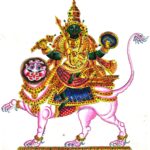 Rahu
RahuRakshasas are often described as having terrifying physical features. They are typically depicted with sharp claws, elongated limbs, and fierce eyes that strike fear into the hearts of their enemies. Their appearance is not just for show; it symbolizes their malicious intent and their role as disruptors of peace. Many stories describe them as having the ability to grow in size or take on the forms of various creatures, further emphasizing their shape-shifting capabilities.
In addition to their physical attributes, Rakshasas possess extraordinary powers that make them formidable adversaries. They can cast illusions, create darkness, and manipulate the elements. These abilities allow them to deceive their enemies and create chaos wherever they go. Their cunning and intelligence make them not just brute forces but also strategic thinkers who can outsmart their opponents. This combination of physical prowess and mental acuity makes Rakshasas complex characters within Hindu mythology.
 Pûtanâ
Rakshasas feature prominently in various Hindu texts, including the Ramayana and the Mahabharata. In the Ramayana, one of the most famous Rakshasas is Ravana, the ten-headed king of Lanka. Ravana is depicted as a powerful and learned ruler, but his desire for Sita, the wife of Lord Rama, leads to his downfall. This tale highlights the theme of obsession and its destructive consequences. Ravana’s character serves as a reminder of how even the most powerful beings can be brought low by their desires.
In the Mahabharata, Rakshasas appear in various forms, often as enemies of the Pandavas. They engage in battles and play significant roles in the unfolding drama of the epic. The presence of Rakshasas in these texts adds depth to the narratives, as they often embody the struggles between good and evil, righteousness and chaos. Their interactions with the protagonists serve to challenge the heroes and test their virtues, making the stories more engaging and meaningful.
In Hindu culture, Rakshasas are often used as symbols of evil and chaos. They represent the darker aspects of human nature and the struggles individuals face when confronted with temptation and moral dilemmas. Their stories serve as cautionary tales, warning against the perils of greed, lust, and pride. By illustrating the consequences of such behaviors, the tales of Rakshasas encourage individuals to strive for righteousness and uphold dharma.
 Pushpaka
Moreover, Rakshasas have become part of the broader cultural narrative in India. They are often depicted in various forms of art, literature, and theater. Traditional performances like Ramlila showcase the battles between Rama and Ravana, bringing the stories of Rakshasas to life for audiences. This cultural representation helps to keep the myths alive and relevant, allowing new generations to learn about the lessons embedded in these ancient tales.
From a psychological perspective, Rakshasas can be seen as representations of the inner demons that individuals face. They embody the darker sides of human nature, such as anger, jealousy, and hatred. By confronting these characters in stories, individuals may find a way to understand and manage their own fears and negative emotions. The battles between heroes and Rakshasas symbolize the struggle within each person to overcome their darker impulses and strive for a more virtuous life.
This interpretation aligns with the broader themes of Hindu philosophy, which often emphasizes the importance of self-awareness and self-control. By acknowledging the existence of Rakshasas within oneself, individuals can work towards personal growth and transformation. This psychological lens adds another layer of meaning to the stories of Rakshasas, making them not just external threats but also internal challenges that everyone must confront.
In contemporary culture, Rakshasas continue to be relevant figures, appearing in movies, television shows, and books. Their characteristics and stories have been adapted to fit modern narratives, often retaining the essence of their original tales while appealing to new audiences. These adaptations may focus on their complexity, exploring the reasons behind their actions and providing a more nuanced view of these beings.
For example, some modern interpretations depict Rakshasas as misunderstood characters who struggle against their nature. This shift allows for a more sympathetic portrayal, inviting audiences to consider the circumstances that lead to their villainy. By exploring the duality of good and evil, these stories reflect contemporary themes of morality and redemption, showcasing the enduring relevance of Rakshasas in today’s world.
As we delve into the rich tapestry of Hindu mythology, Rakshasas stand out as powerful symbols of chaos and evil. Their stories serve as a reminder of the constant struggle between good and evil, both in the world and within ourselves. By examining their origins, characteristics, and roles in literature and culture, we gain a deeper understanding of the lessons they impart. Through the lens of mythology, we can explore the complexities of human nature and the eternal battle for righteousness.