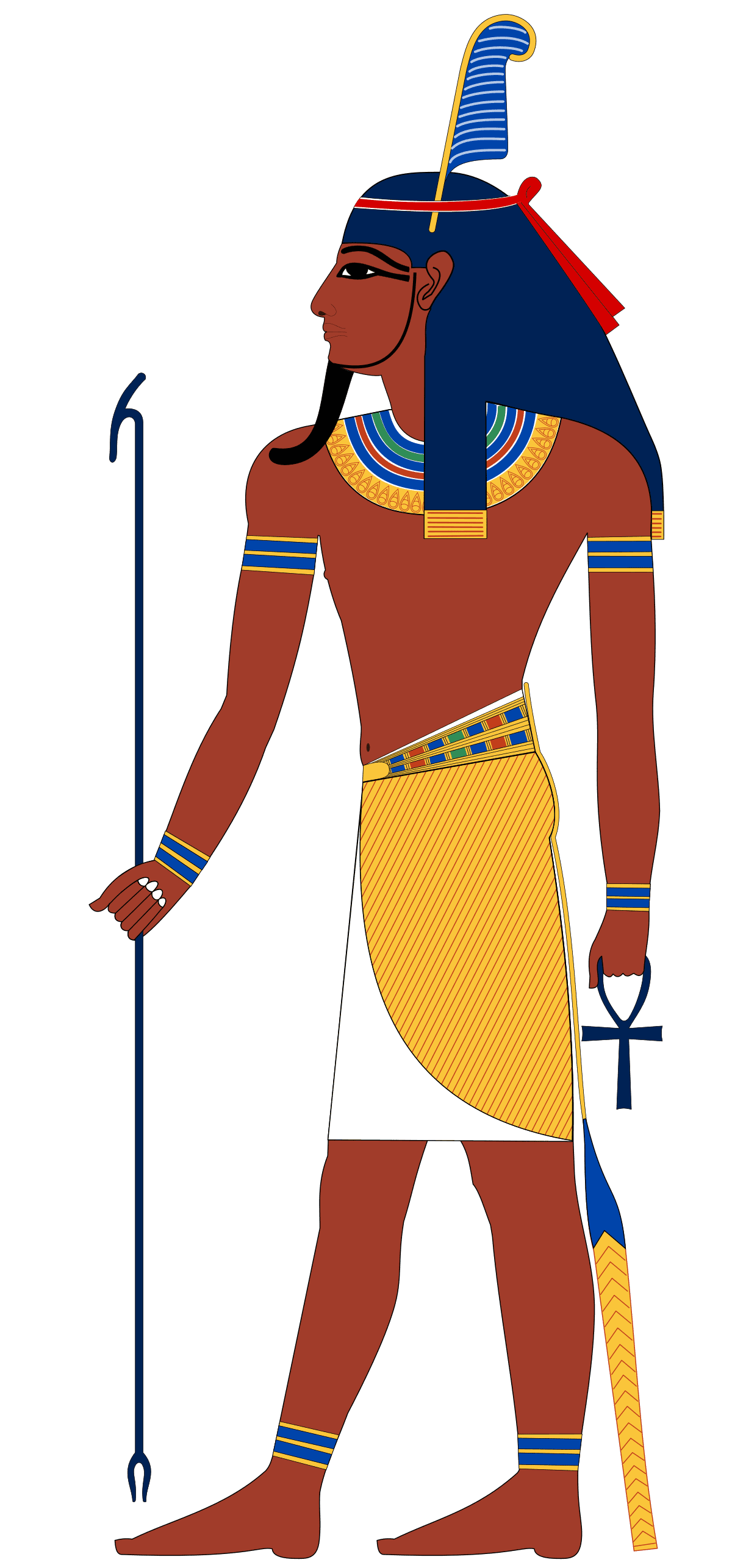
Shu is a significant figure in Egyptian mythology, representing the god of air and light. He is often depicted as a man holding a feather, symbolizing air, or as a lion, representing strength and protection. Shu is one of the primordial deities, created from the chaotic waters of Nun. His role in the ancient Egyptian cosmology is crucial, as he separates the sky from the earth, allowing life to flourish. This article will delve into the various aspects of Shu, exploring his origins, characteristics, myths, and his importance in Egyptian culture.
Origins of Shu
According to ancient Egyptian texts, Shu was born from the primordial waters of Nun. This creation myth emphasizes the chaotic nature of the universe before the gods took control. Shu’s parents are often identified as Atum, the sun god, and Tefnut, the goddess of moisture. Their union represents the balance of the elements, with Shu embodying the dry air and Tefnut representing the wetness of moisture. The separation of Shu and Tefnut from Nun marks the beginning of the ordered universe, as they bring stability and structure to the chaos.
 Shenty
Shu’s birth is a vital part of the Egyptian creation story. He is often seen as a mediator between the earth and the sky, holding the two apart. This separation is essential for life, as it creates space for the earth to exist and for living beings to thrive. The act of creation itself is a powerful theme in Egyptian mythology, and Shu’s role in this process highlights the importance of air and light in sustaining life.
Characteristics of Shu
Shu is characterized by his association with air and light. He is often depicted as a man with a feather on his head, symbolizing the lightness and fluidity of air. This feather is also linked to the concept of ma’at, which represents truth, balance, and cosmic order. Shu’s ability to maintain balance between the earth and the sky is a reflection of the principles of ma’at, emphasizing his importance in the natural order.
In addition to his role as a god of air, Shu is also associated with protection and strength. He is often depicted as a lion, symbolizing his power and ability to defend against chaos and disorder. This duality in his representation—both as a man and as a lion—highlights the complexity of his character. Shu embodies both the gentleness of air and the ferocity of a lion, showcasing the balance between different forces in the universe.
 Shed
ShedMyths Involving Shu
One of the most famous myths involving Shu is the story of his separation of the sky and the earth. In this myth, Shu uses his strength to lift the sky goddess Nut away from the earth god Geb. This act of separation is not just a physical one; it symbolizes the creation of space for life to exist. The myth emphasizes the importance of Shu’s role as a stabilizing force in the universe, as he ensures that the sky and earth remain apart, allowing for the development of life.
Another important myth featuring Shu is the story of the sun’s journey across the sky. As the god of air, Shu is responsible for the light that enables the sun to shine. He is often depicted as holding up the sky, ensuring that the sun can travel from east to west each day. This daily journey of the sun is crucial for maintaining the cycles of day and night, which are essential for life on earth. Shu’s role in this myth highlights his importance not only as a creator but also as a sustainer of life.
Shu’s Family and Relationships
Shu is part of a larger family of gods in Egyptian mythology. He is the father of Nut and Geb, who represent the sky and the earth, respectively. His relationship with these two deities is significant, as it reinforces his role as a mediator between the two realms. Nut and Geb’s relationship is often portrayed as a love story, with Shu acting as the protector who keeps them apart, allowing their love to flourish without causing chaos.
 Set
SetIn addition to his children, Shu is closely associated with his sister, Tefnut. Together, they represent the duality of air and moisture, highlighting the balance of elements in the universe. Their relationship is essential for maintaining harmony in the natural world. In many myths, Shu and Tefnut are depicted as working together to ensure that the cycles of nature continue uninterrupted, emphasizing the interconnectedness of all elements in the Egyptian cosmology.
Shu in Egyptian Culture
Shu’s influence extends beyond mythology into ancient Egyptian culture and religion. He was worshipped in various temples throughout Egypt, where rituals and offerings were made in his honor. His association with air and light made him an important figure for the ancient Egyptians, who relied on these elements for their survival. Temples dedicated to Shu often featured symbols of air and light, such as feathers and sun discs, reinforcing his significance in their daily lives.
The ancient Egyptians also believed that Shu played a role in the afterlife. He was thought to guide souls through the underworld, ensuring that they could reach the afterlife safely. This protective role further emphasizes Shu’s importance in the overall belief system of ancient Egypt, as he was seen as a guardian who maintained order and balance, both in life and in death.
Shu’s Symbolism and Iconography
Shu is commonly represented in Egyptian art and iconography in several ways. One of the most recognizable symbols associated with him is the feather, which represents lightness and the element of air. The feather is also linked to the concept of truth and justice, as it is used in the weighing of the heart ceremony in the afterlife. In this ceremony, the heart of the deceased is weighed against the feather of Ma’at to determine their fate in the afterlife.
Another common representation of Shu is as a lion or a lion-headed man. This depiction symbolizes his strength and protective nature. In some artworks, Shu is shown standing between Nut and Geb, physically separating them to maintain the balance of the universe. This visual representation reinforces his role as a mediator and protector, highlighting the importance of his character in Egyptian mythology.
Shu’s Influence on Later Cultures
The influence of Shu extends beyond ancient Egypt and can be seen in later cultures and religions. His representation of air and light has parallels in various mythologies around the world. For example, in Greek mythology, the god Aether embodies similar concepts of light and air. This connection highlights the universal themes of creation and balance found in many cultures, showcasing the enduring legacy of Shu’s character.
In addition to his mythological significance, Shu’s symbolism has been adopted in various forms of art and literature throughout history. His representation as a mediator between the earth and sky has inspired artists and writers to explore themes of balance and harmony in their work. This enduring influence speaks to the power of Shu’s character and the universal truths he represents.
Shu in Modern Context
Today, Shu continues to be a subject of interest for those studying Egyptian mythology and culture. His stories and representations are explored in various forms of media, including literature, film, and art. Many contemporary interpretations of Shu focus on his role as a symbol of balance and harmony, emphasizing the importance of these qualities in our modern lives.
Furthermore, Shu’s connection to air and light resonates with contemporary environmental themes. As society grapples with issues related to climate change and sustainability, the concepts represented by Shu can serve as a reminder of the delicate balance required to maintain our planet’s health. By reflecting on the teachings of ancient myths like those of Shu, modern audiences can gain insights into the importance of harmony with nature.
Shu, as a god of air and light in Egyptian mythology, plays a vital role in the creation and maintenance of the universe. His characteristics, myths, and cultural significance highlight the importance of balance and harmony in both ancient and modern contexts. As we continue to explore and understand these ancient stories, the legacy of Shu remains a powerful reminder of the interconnectedness of all things.