
In Hindu mythology, Garuda is one of the most revered and fascinating figures. Known as the king of birds, Garuda is often depicted as a large, powerful bird with a human-like face. His significance extends beyond just being a mythical creature; he symbolizes strength, speed, and loyalty. In various texts, Garuda is portrayed as the mount of Lord Vishnu, one of the principal deities of Hinduism. His association with Vishnu places him in a prominent position within the pantheon of Hindu gods. This article delves into the origins, symbolism, and various stories surrounding Garuda, showcasing his importance in Hindu mythology.
Origins of Garuda
The origins of Garuda can be traced back to ancient Hindu scriptures, including the Vedas and Puranas. According to these texts, Garuda is the son of Kashyapa, a revered sage, and , one of his wives. The birth of Garuda is shrouded in a fascinating tale of rivalry and ambition. Vinata, eager to have powerful offspring, was granted a boon that she would have two sons who would be greater than all. However, she became impatient and used her powers to hatch an egg prematurely, resulting in the birth of a weak and deformed bird. In her desperation, she wished for a stronger child, leading to the birth of Garuda.
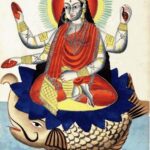 Ganga
GangaGaruda’s birth was not just significant for his mother, but it also played a crucial role in the cosmic balance of power between the gods and demons. His strength and might were destined to challenge the forces of evil. This aspect of Garuda’s origin story highlights the themes of redemption and struggle that are prevalent in many Hindu myths. The conflict between good and evil is a recurring theme, and Garuda’s emergence as a powerful entity set the stage for his future adventures and his role as a protector of dharma, or righteousness.
Symbolism of Garuda
Garuda embodies several important symbols in Hindu mythology. Primarily, he represents freedom and spiritual awakening. As a bird, Garuda is associated with the sky, which symbolizes liberation from earthly bonds. This connection to the sky is significant, as it signifies the pursuit of higher knowledge and the quest for truth. In many depictions, Garuda is shown soaring through the skies, emphasizing his role as a divine messenger. His ability to fly is a metaphor for the soul’s journey toward enlightenment and liberation from the cycle of birth and rebirth.
Moreover, Garuda is often seen as a symbol of devotion and loyalty. His unwavering commitment to Lord Vishnu exemplifies the ideal relationship between a devotee and the divine. Garuda’s loyalty is not just limited to Vishnu; he also embodies the qualities of a protector and a guardian. In various tales, he is portrayed as defending the gods against demons and evil forces. This protective nature has led many followers to invoke Garuda for safety and guidance, making him a popular figure in Hindu rituals and prayers.
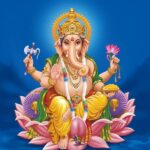 Ganesha
Garuda in Hindu Texts
Garuda appears in numerous Hindu texts, each providing different insights into his character and significance. One of the most notable references is found in the Mahabharata, an epic narrative that explores the struggles between the Pandavas and Kauravas. In this text, Garuda is depicted as a formidable warrior who assists the Pandavas in their quest for justice. His involvement in the Mahabharata highlights his role as a divine ally and protector, reinforcing the idea that he is on the side of righteousness.
Another important text that features Garuda is the Bhagavata Purana. In this scripture, Garuda’s relationship with Lord Vishnu is elaborated upon, showcasing their deep bond. The Bhagavata Purana narrates the story of how Garuda sought to obtain the elixir of immortality (amrita) to free his mother from slavery to the serpents. This quest not only emphasizes Garuda’s strength but also his devotion to his family, making him a multi-dimensional character in Hindu mythology.
Garuda and His Battles
Garuda is not only a figure of devotion but also a warrior who engages in epic battles against various demons and adversaries. One of the most famous stories is his battle against the Nagas, a race of serpent beings. According to legend, the Nagas had captured Garuda’s mother, Vinata, and held her in bondage. In a bid to rescue her, Garuda confronted the Nagas, showcasing his strength and bravery. This battle symbolizes the eternal struggle between good and evil, with Garuda representing the forces of good.
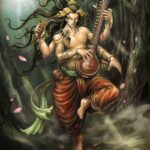 Gandharvas
During this confrontation, Garuda demonstrated his extraordinary abilities, such as his speed and agility, which allowed him to outmaneuver the Nagas. He is often depicted with a fierce expression, embodying the spirit of a warrior. The battle ended with Garuda defeating the Nagas and freeing his mother, establishing him as a hero in the eyes of the gods and humans alike. This story not only highlights Garuda’s strength but also emphasizes the importance of family loyalty and the willingness to fight for loved ones.
Garuda in Iconography
Garuda’s image is prevalent in Hindu iconography and art, often depicted in various forms that reflect his divine nature. Artists portray him with a human torso and a bird’s body, featuring large wings and a powerful beak. His eyes are often depicted as fierce and determined, symbolizing his role as a protector. In many artworks, Garuda is shown carrying Lord Vishnu on his back, emphasizing their close relationship and Garuda’s role as his mount.
In temples and shrines, Garuda is often represented as a statue or carving, serving as a guardian figure. Devotees frequently offer prayers and seek blessings from Garuda, believing that he brings strength and protection. The imagery of Garuda is also used in various rituals, where he is invoked for safety during travel or to ward off negative energies. His representation in art and sculpture reflects the reverence that Hindus hold for this mighty bird.
Garuda in Popular Culture
Garuda’s influence extends beyond religious texts and traditional art; he has made his way into popular culture as well. In modern times, Garuda is often depicted in films, television shows, and literature, showcasing his enduring appeal. His character has been adapted in various forms, from animated series to graphic novels, capturing the imagination of audiences worldwide. These adaptations often highlight his strength and loyalty, maintaining the core aspects of his mythological persona.
Moreover, Garuda’s image has become a symbol of national pride in countries like Indonesia, where he is featured on the national emblem. The Garuda Pancasila, which represents the state ideology of Indonesia, showcases the bird as a symbol of strength and resilience. This adaptation reflects how Garuda transcends cultural boundaries and resonates with people across different regions, emphasizing themes of courage and determination.
Garuda in Rituals and Worship
Garuda holds a significant place in Hindu rituals and worship practices. Devotees often chant prayers and mantras dedicated to him, seeking his blessings for strength and protection. One of the most popular hymns is the Garuda Gayatri Mantra, which is recited to invoke Garuda’s power. This mantra is believed to bring peace and remove obstacles from one’s life. The chanting of this mantra is often accompanied by rituals involving offerings and prayers, showcasing the deep reverence that followers have for Garuda.
In addition to personal worship, Garuda is also honored during various festivals and religious ceremonies. His image is often adorned with flowers and offerings, and devotees participate in processions that celebrate his significance. These rituals serve as a way to connect with the divine and seek Garuda’s guidance in times of trouble. The act of worshipping Garuda is not only about seeking protection but also about embodying his qualities of strength and loyalty in one’s own life.
Garuda’s Influence on Other Cultures
Garuda’s influence is not limited to Hinduism; he has also made an impact on other cultures and religions. In Buddhism, Garuda is known as Garuda or Garuḍa, where he is often depicted as a protector of the Buddha and his teachings. In this context, Garuda represents the overcoming of ignorance and the pursuit of enlightenment. His role as a protector resonates with Buddhist ideals, emphasizing the importance of compassion and wisdom.
Furthermore, Garuda’s image has been adapted in various Southeast Asian cultures, where he is often associated with royalty and power. In countries like Thailand and Myanmar, Garuda is depicted in traditional art and architecture, symbolizing strength and sovereignty. His presence in these cultures reflects the interconnectedness of mythologies and the shared themes of heroism and protection across different traditions.
The Legacy of Garuda
The legacy of Garuda continues to thrive in contemporary society, as he remains a symbol of strength and devotion. His stories are told and retold, inspiring generations to embody his qualities in their lives. Garuda serves as a reminder of the eternal struggle between good and evil, encouraging individuals to stand up for righteousness and protect those they love. This legacy is evident in the way Garuda is revered in temples, art, and popular culture, ensuring that his influence will persist for years to come.
Moreover, the teachings and stories associated with Garuda provide valuable life lessons. His unwavering loyalty to Lord Vishnu and his fierce protection of his mother serve as examples of the importance of family, duty, and righteousness. These themes resonate with followers, encouraging them to cultivate these virtues in their own lives. Garuda’s legacy is not just confined to mythology; it is a living tradition that continues to inspire and guide individuals on their spiritual journeys.