
In Egyptian mythology, Sepa is a significant figure that is often overlooked. He represents the concept of the “soul” or the essence of a person. This essence was believed to be crucial for the afterlife, where one’s soul would face judgment and determine its fate. The ancient Egyptians had a rich belief system surrounding the afterlife, and the role of Sepa was integral to this. His name is sometimes associated with the heart, which was thought to be the seat of emotion and morality. This connection underscores the importance of Sepa in the journey of the soul after death.
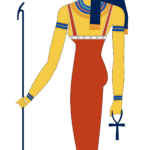
The Role of Sepa in Egyptian Mythology
In the context of Egyptian mythology, Sepa plays a vital role as the guardian of the heart and the soul. The heart was considered the most important organ, as it was believed to contain the essence of a person. During the Weighing of the Heart ceremony, the deceased’s heart was weighed against the feather of Ma’at, the goddess of truth and justice. If the heart was lighter than the feather, the soul was deemed worthy of entering the afterlife. This process was crucial for the deceased, and Sepa was often invoked during this ceremony to ensure the heart’s integrity and purity.
Sepa is sometimes depicted in ancient texts as a figure who guides the soul through the trials of the afterlife. His presence is believed to offer protection and guidance to the deceased. The ancient Egyptians placed great importance on this guidance, as the journey to the afterlife was fraught with challenges. Sepa’s role as a protector of the soul illustrates the deep belief in the afterlife and the need for a safe passage through it.
Symbolism of Sepa
Sepa is often associated with various symbols that represent his role in Egyptian mythology. One of the most prominent symbols is the ankh, which signifies life and immortality. The ankh is often depicted in the hands of deities, representing their power to grant life and protect the soul. In this context, Sepa’s association with the ankh emphasizes his role in guiding souls toward eternal life.
 Seker
Seker- Heart: Symbol of the essence of a person.
- Feather of Ma’at: Represents truth and justice.
- Ankh: Symbolizes life and immortality.
Additionally, Sepa is often linked to the scarab beetle, which represents transformation and rebirth. The scarab was a powerful symbol in ancient Egypt, often associated with the sun god Ra. This connection reinforces the idea of Sepa as a guide who helps souls navigate the transition from life to the afterlife. The transformation represented by the scarab is a key aspect of the journey that Sepa oversees.
Sepa and the Afterlife
The afterlife in Egyptian mythology is a complex realm filled with various challenges and trials. Sepa’s role in this realm is to assist the deceased in overcoming these obstacles. The ancient Egyptians believed that after death, the soul would embark on a journey through the Du’at, the Egyptian underworld. This journey was fraught with dangers, including encounters with hostile deities and various tests of character.
During this journey, the deceased would face various challenges that tested their worthiness. Sepa, as the guardian of the heart, was believed to provide the necessary guidance and support. He would ensure that the soul remained true to its essence, helping it navigate the complexities of the afterlife. This protective role emphasizes the significance of Sepa in the overall belief system of the ancient Egyptians regarding death and rebirth.
 Sebek
SebekKey Concepts Related to Sepa
Several key concepts are intertwined with the figure of Sepa in Egyptian mythology. These concepts help illuminate the beliefs surrounding the soul and the afterlife.
- Ma’at: The principle of truth, balance, and cosmic order.
- Judgment: The process of determining the soul’s fate in the afterlife.
- Rebirth: The belief in the soul’s ability to be reborn after death.
Ma’at is particularly significant as it represents the moral and ethical standards that the deceased must adhere to. The concept of judgment ties directly into Sepa’s role, as he helps ensure that the heart is pure and worthy of passing the tests set forth by the gods. The idea of rebirth is also closely linked to Sepa, as the ultimate goal for the soul is to achieve eternal life in the afterlife.
Sepa in Art and Literature
Throughout ancient Egyptian art and literature, Sepa is represented in various forms. His depictions often emphasize his role as a protector and guide for the soul. In tomb paintings, Sepa may be shown alongside the deceased, symbolizing his presence during the journey to the afterlife. These artistic representations served not only as a means of honoring Sepa but also as a way to invoke his protection for the deceased.
Literature from ancient Egypt, including pyramid texts and coffin texts, often references Sepa in the context of the afterlife. These texts describe the rituals and prayers that were performed to ensure a safe passage for the soul. They emphasize the importance of invoking Sepa’s name, as it was believed that doing so would provide additional strength and guidance for the deceased.
Modern Interpretations of Sepa
In contemporary discussions of Egyptian mythology, Sepa is sometimes overshadowed by more prominent deities like Osiris and Anubis. However, modern interpretations recognize the importance of Sepa as a symbol of the soul’s journey and the moral implications of one’s actions in life. Scholars and enthusiasts of Egyptian mythology continue to explore the nuances of Sepa’s role, shedding light on his significance in the broader context of ancient beliefs.
- Research: Ongoing studies in Egyptology examine Sepa’s influence.
- Symbolism: Modern interpretations of the heart and soul in various cultures.
- Representation: Artistic depictions of Sepa in modern media.
As interest in ancient cultures grows, so does the appreciation for figures like Sepa. His role as a protector of the soul resonates with contemporary themes of morality and the quest for understanding one’s essence. In this way, Sepa transcends time, continuing to inspire discussions about the nature of life and the afterlife.
Rituals and Offerings to Sepa
The ancient Egyptians performed various rituals and made offerings to Sepa to ensure his favor and protection. These rituals often took place in tombs or temples dedicated to the gods. Offerings included food, drink, and symbolic items that represented the deceased’s essence. The belief was that these offerings would sustain Sepa and encourage him to guide the soul through the afterlife.
One common ritual involved the opening of the mouth, a ceremony that was believed to restore the deceased’s ability to speak and eat in the afterlife. During this ritual, priests would invoke the name of Sepa, asking for his assistance in ensuring the deceased’s heart remained pure. This ritual was a vital part of the funerary practices, emphasizing the importance of Sepa in the overall journey of the soul.
Significance of Offerings
The offerings made to Sepa were not merely acts of devotion but were deeply symbolic. Each item had a specific meaning and purpose, contributing to the deceased’s journey in the afterlife. The act of offering food and drink represented the sustenance that the soul would require during its journey through the Du’at.
- Food: Symbolized nourishment for the soul.
- Drink: Represented refreshment and vitality.
- Symbolic items: Included amulets and tokens for protection.
These offerings were carefully chosen to reflect the deceased’s life and personality. For example, a person known for their love of music might have instruments included in their offerings. This personalization added depth to the rituals and reinforced the belief in the soul’s individuality even after death.
Sepa’s Influence on Other Cultures
The influence of Egyptian mythology, including the figure of Sepa, can be seen in various cultures throughout history. As ancient Egypt interacted with neighboring civilizations, elements of their beliefs began to permeate other cultures. The concept of the soul and the importance of the heart as the essence of a person resonated with many societies, leading to shared beliefs and practices.
For instance, the idea of a judgment process after death can be found in other cultures, such as the Greek and Roman traditions. In these cultures, the soul was also believed to face trials and judgments that determined its fate in the afterlife. This parallels the Weighing of the Heart ceremony in which Sepa plays a critical role.
Shared Themes Across Cultures
Several themes related to the afterlife and the soul can be observed across different cultures, highlighting the universal nature of these beliefs. These themes include:
- Judgment: The soul facing trials after death.
- Protection: Deities acting as guardians for the soul.
- Rebirth: The belief in life after death and transformation.
These shared themes demonstrate the deep-seated human desire to understand the nature of existence and what lies beyond. The figure of Sepa, as a protector of the soul, embodies these universal concepts, allowing us to draw connections between ancient Egyptian beliefs and those of other cultures.
Sepa holds a unique and essential place in Egyptian mythology. His role as a guardian of the heart and the essence of the soul emphasizes the ancient Egyptians’ deep beliefs about the afterlife. Through rituals, offerings, and artistic representations, Sepa’s significance is highlighted, showcasing the rich tapestry of Egyptian mythology. As we continue to explore these ancient beliefs, the figure of Sepa remains a powerful symbol of the soul’s journey and the moral implications of our actions in life.