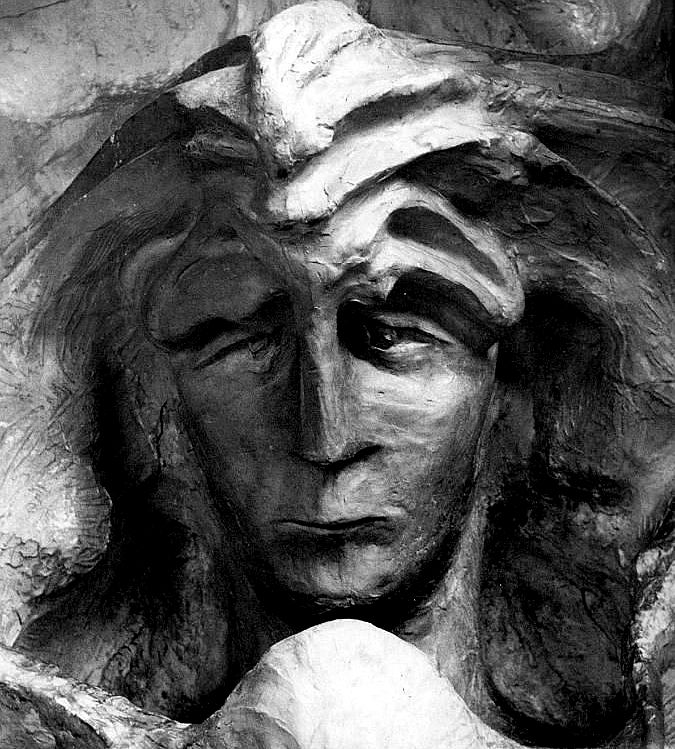
Sorath is a name that resonates deeply within the context of fallen angels. It is associated with various interpretations and meanings across different cultures and religious texts. Sorath is often seen as a powerful entity, embodying themes of rebellion and transformation. In this article, we will explore the different facets of Sorath, its significance in various belief systems, and its impact on literature and popular culture. Understanding Sorath requires a journey through history, myth, and spiritual symbolism.
The Origins of Sorath
The origins of Sorath can be traced back to ancient texts and teachings. In some traditions, Sorath is linked to the figure of Samael, an archangel often associated with darkness and the fallen state of being. This connection to Samael highlights the duality present in Sorath’s character, as it embodies both light and dark elements. The name Sorath itself is believed to have roots in Hebrew, where it is sometimes interpreted as “the one who brings light” or “the one who shines.” This duality makes Sorath a complex figure within the realm of fallen angels.
 Sytry
SytryIn various esoteric traditions, Sorath is often depicted as a being who possesses immense power and knowledge. Some texts describe Sorath as a guardian of forbidden knowledge, a figure who has seen beyond the veil of ordinary existence. This association with knowledge ties Sorath to the themes of enlightenment and awakening, suggesting that the fallen state can lead to greater understanding and insight. Thus, Sorath becomes a symbol of the quest for truth, even if that truth comes at a great cost.
Sorath in Religious Texts
Sorath’s presence can be felt in several religious texts, particularly those that discuss the concept of fallen angels. In Christianity, fallen angels are often viewed as beings who rebelled against God, leading to their expulsion from heaven. Sorath fits into this narrative as a figure of rebellion, challenging the established order. This rebellion is not merely an act of defiance but rather a pursuit of freedom and individuality. In many ways, Sorath represents the struggle against oppression, a theme that resonates with many throughout history.
In the Jewish mystical tradition, particularly within Kabbalah, Sorath is sometimes associated with the Sephirot of the Tree of Life. Each Sephirot represents different aspects of existence and divine attributes. Sorath’s connection to these mystical teachings suggests a deeper spiritual significance, where the fallen angel becomes a guide for those seeking to navigate the complexities of life. This perspective encourages individuals to embrace their own journeys, even if they diverge from traditional paths.
 Uzza
UzzaThe Symbolism of Sorath
Sorath is rich in symbolism, representing various themes that resonate with the human experience. One of the most prominent symbols associated with Sorath is light. Despite being classified as a fallen angel, Sorath’s name translates to “the one who brings light.” This paradox illustrates the idea that light can emerge from darkness. In many cultures, light symbolizes knowledge, wisdom, and truth, making Sorath a beacon for those who seek enlightenment in a world filled with confusion and chaos.
Another significant aspect of Sorath’s symbolism is the theme of rebellion. The act of falling from grace is often viewed as an act of defiance against authority. Sorath embodies the spirit of questioning established norms and pursuing one’s own path, even in the face of adversity. This rebellious nature can inspire individuals to challenge societal expectations and seek their own truths. In this sense, Sorath becomes a symbol of empowerment, encouraging people to embrace their uniqueness and stand up for their beliefs.
Sorath in Literature and Popular Culture
Sorath has made its way into various forms of literature and popular culture, where it continues to inspire and intrigue audiences. In many works of fiction, fallen angels like Sorath are portrayed as complex characters who grapple with their identities and the consequences of their choices. This portrayal adds depth to the character, making Sorath relatable to those who have experienced feelings of alienation or struggle. Through these narratives, Sorath serves as a reminder that redemption and transformation are possible, even for those who have fallen.
 Valac
ValacIn contemporary media, Sorath’s influence can be seen in films, television shows, and video games. The character often appears as a powerful figure with the ability to manipulate reality or challenge the status quo. These representations highlight the ongoing fascination with fallen angels and their roles as both antagonists and protagonists. The character of Sorath serves as a metaphor for the internal battles that many individuals face, illustrating the complexities of morality and the search for purpose.
The Psychological Perspective on Sorath
From a psychological standpoint, Sorath can be viewed as a representation of the shadow self. The shadow self, a concept introduced by psychologist Carl Jung, refers to the unconscious parts of our personality that we often repress or deny. Sorath embodies these repressed aspects, symbolizing the struggles individuals face when confronting their darker impulses. Engaging with the figure of Sorath can lead to greater self-awareness and acceptance, allowing individuals to integrate these hidden parts into their conscious identity.
Furthermore, the journey of Sorath can mirror the process of personal transformation. Just as Sorath navigates the challenges of being a fallen angel, individuals can also experience their own journeys of growth and change. This psychological perspective emphasizes the importance of facing one’s fears and embracing vulnerability. By acknowledging the complexities of our nature, we can work towards a more authentic existence, much like the path that Sorath represents.
The Influence of Sorath on Spiritual Practices
Sorath’s presence is felt in various spiritual practices, particularly those that focus on personal empowerment and self-discovery. Many individuals turn to the figure of Sorath as a source of inspiration when seeking to break free from limiting beliefs and societal constraints. In this context, Sorath serves as a guide for those on a spiritual journey, encouraging them to embrace their true selves and pursue their passions. This empowerment aligns with the broader themes of liberation and transformation found in many spiritual traditions.
In some esoteric practices, rituals involving Sorath may focus on invoking the energy associated with this fallen angel. These rituals often aim to harness Sorath’s power to facilitate personal growth and enlightenment. Participants may engage in meditation, visualization, or other techniques to connect with Sorath’s essence. This connection can lead to profound insights and a deeper understanding of one’s place in the universe. The influence of Sorath in spiritual practices highlights the enduring significance of fallen angels in contemporary spirituality.
Sorath in Art and Symbolism
The artistic representation of Sorath is diverse and multifaceted. Artists throughout history have depicted fallen angels, including Sorath, in various forms, from paintings to sculptures. These representations often emphasize the tension between light and darkness, capturing the essence of Sorath’s dual nature. The imagery associated with Sorath frequently includes elements of fire and light, symbolizing both destruction and creation. This artistic exploration allows viewers to engage with the complexities of the fallen angel narrative, inviting contemplation and reflection.
Moreover, Sorath’s symbolism extends beyond traditional art forms. In modern digital art and graphic novels, Sorath often appears as a powerful and enigmatic figure, challenging conventions and pushing boundaries. These contemporary interpretations resonate with audiences who are drawn to themes of rebellion and transformation. Through art, Sorath becomes a vessel for exploring the depths of human experience, illustrating the struggles and triumphs that accompany the journey of self-discovery.
The Legacy of Sorath
The legacy of Sorath continues to evolve as it finds its place in contemporary discussions about spirituality, identity, and personal growth. The figure of Sorath serves as a reminder that even in moments of darkness, there is potential for light and transformation. This legacy encourages individuals to embrace their journeys, acknowledging the complexities of their experiences. By exploring the multifaceted nature of Sorath, we can gain valuable insights into our own lives and the broader human condition.
As society grapples with themes of rebellion, identity, and empowerment, Sorath’s influence remains relevant. The narrative of the fallen angel challenges individuals to confront their fears and embrace their authentic selves. In this way, Sorath transcends the boundaries of mythology and spirituality, becoming a symbol of hope and resilience for those who seek to navigate the complexities of life. The ongoing exploration of Sorath’s significance invites us to reflect on our own journeys and the transformative power of embracing our shadows.