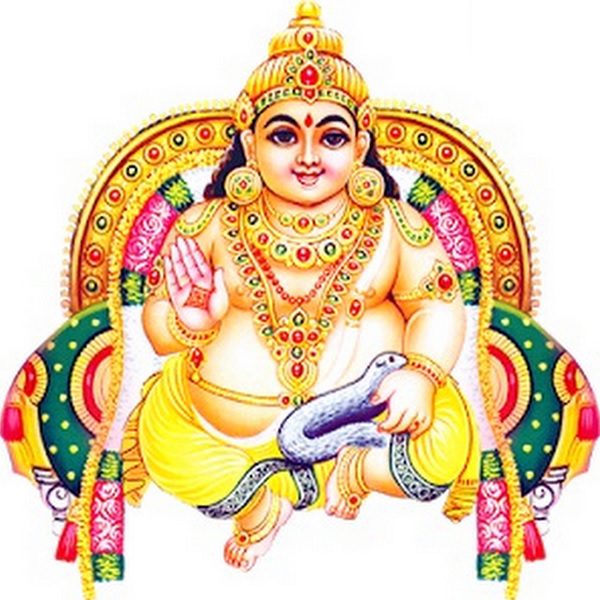
Kubera is a prominent figure in Hindu mythology, revered as the god of wealth, prosperity, and the lord of treasures. He is often depicted as a stout figure adorned with jewels and rich garments, symbolizing his immense wealth. Kubera is not just a figure of material riches; he also represents the idea of spiritual wealth and abundance. His significance extends beyond mere riches, as he is also associated with the idea of contentment and the responsible use of wealth. In various texts and stories, Kubera plays a crucial role in maintaining the balance between wealth and morality.
The Origin of Kubera
The origins of Kubera are steeped in ancient texts and stories. According to the Vedas, he is considered the son of Brahma, the creator god. There are different narratives regarding his birth and rise to power. One popular story suggests that Kubera was once a mortal king named Vaisravana. He was a devotee of Lord Shiva and performed intense penance to gain his blessings. Pleased with his devotion, Shiva granted him the position of the god of wealth and riches, transforming him into Kubera. This transition signifies the importance of devotion and the rewards that come from it.
 Krishna
In some texts, Kubera is also associated with the Yakshas, a group of nature spirits. These beings are known for their connection to wealth and the earth’s treasures. As the king of the Yakshas, Kubera is often depicted as their leader, governing over the hidden treasures of the world. This connection further emphasizes his role as the guardian of wealth and prosperity. His association with the Yakshas also highlights the idea that true wealth is not merely material but is also linked to nature and the earth.
Kubera’s Attributes and Symbols
Kubera is often depicted with several distinct attributes that symbolize his power and wealth. He is usually shown holding a money bag or a pot filled with gold coins, which signifies his role as the provider of wealth. Additionally, he may carry a mace or a club, symbolizing his authority and strength. His appearance is typically characterized by a large belly, which symbolizes abundance and the idea that wealth should be shared rather than hoarded.
Another significant symbol associated with Kubera is the palanquin. This represents his royal status and the idea that wealth brings power and responsibility. In many illustrations, Kubera is depicted riding a chariot pulled by cats or elephants. These animals further symbolize his connection to the natural world and the idea that wealth should be respected and protected. The imagery surrounding Kubera serves as a reminder of the responsibilities that come with wealth and the importance of using it wisely.
 Kratu
KratuKubera in Hindu Texts
Kubera is mentioned in several ancient Hindu texts, including the Puranas, the Mahabharata, and the Ramayana. In the Ramayana, he plays a crucial role as the protector of wealth and resources. During the epic’s narrative, Ravana, the demon king, visits Kubera to claim his wealth. However, Kubera defends his treasures, showcasing his role as the guardian of prosperity. This encounter highlights the conflict between good and evil, as Kubera represents righteousness and the responsible use of wealth.
The Mahabharata also features Kubera in various contexts. He is often depicted as a supporter of the Pandavas, providing them with wealth and resources during their exile. This act of generosity underscores the idea that true wealth is not just about accumulation but also about sharing and helping others. Kubera’s role in the Mahabharata emphasizes the importance of charity and the ethical use of resources in Hindu culture.
Kubera and His Divine Family
Kubera is often depicted as part of a divine family. His wife is known as Vaisravanī, who is also associated with wealth and prosperity. Together, they symbolize the balance between material wealth and spiritual richness. Their union represents the idea that wealth should be accompanied by wisdom and compassion. In some texts, Kubera is also mentioned as the brother of Ravana, the demon king of Lanka. This relationship adds complexity to his character, showcasing the duality of wealth and power in the mythological narrative.
 Korravai
Kubera’s children, such as Guhyaka and Vaisravana, are also associated with wealth and prosperity. They are often depicted as guardians of treasures, further emphasizing Kubera’s role as the lord of wealth. The familial ties in Kubera’s story highlight the interconnectedness of wealth, relationships, and responsibilities in Hindu mythology. It reflects the idea that wealth should not be an isolated pursuit but should be integrated into one’s relationships and community.
Kubera’s Role in Festivals and Worship
Kubera is worshipped during various Hindu festivals, especially those related to wealth and prosperity. One of the most significant occasions is Dhanteras, which marks the beginning of the Diwali festival. On this day, devotees offer prayers to Kubera, seeking his blessings for wealth and abundance in their lives. Rituals often include lighting lamps, offering sweets, and decorating homes to invite prosperity. The celebrations serve as a reminder of the importance of wealth and its responsible use in everyday life.
In addition to Dhanteras, Kubera is also honored during Navaratri, a festival dedicated to the worship of the goddess Durga. During this time, devotees seek blessings from various deities, including Kubera, for financial stability and success. The act of worshipping Kubera during these festivals reinforces the idea that wealth is a blessing that should be respected and shared with others. It highlights the cultural significance of prosperity in Hindu society and the belief that divine blessings play a crucial role in achieving success.
Kubera in Modern Culture
The influence of Kubera extends beyond ancient texts and festivals; he has also found a place in modern culture. His imagery and symbolism are often used in art, literature, and even business. In contemporary society, Kubera is seen as a symbol of financial success and abundance. Many people invoke his blessings when starting new ventures or seeking financial stability. His image is sometimes used in feng shui practices, where it is believed that placing his figure in homes or offices can attract wealth and prosperity.
In addition to his representation in art and literature, Kubera’s teachings about the responsible use of wealth resonate in today’s discussions about ethics in business and finance. Many modern entrepreneurs look to Kubera as a model for balancing financial success with social responsibility. His story serves as a reminder that true wealth encompasses not only material possessions but also the impact one has on the community and the environment.
The Legacy of Kubera
Kubera’s legacy continues to thrive in various aspects of Hindu culture and beyond. He represents the values of generosity, responsibility, and the ethical use of wealth. His stories and teachings encourage individuals to reflect on their relationship with money and the importance of using wealth for the greater good. Kubera’s image is often invoked in discussions about financial ethics, encouraging a sense of accountability among those who seek prosperity.
The enduring popularity of Kubera in modern society reflects the timeless nature of his teachings. As people navigate the complexities of wealth in today’s world, Kubera’s principles of sharing, compassion, and responsible management of resources remain relevant. His legacy serves as a guiding light for those who aspire to achieve not only financial success but also a meaningful and fulfilling life.
Kubera in Art and Iconography
Kubera’s depiction in art and iconography is rich and varied, reflecting his importance in Hindu culture. Artists often portray him in a way that highlights his wealth and status. Common representations include him sitting on a throne, surrounded by gold coins and jewels. This visual imagery reinforces his identity as the god of wealth and treasures. Many temples dedicated to Kubera feature intricate carvings and sculptures that depict him in various poses, often accompanied by his divine family.
In traditional paintings, Kubera is often shown with a golden pot or a money bag, emphasizing his role as the provider of wealth. His large belly is a common characteristic, symbolizing abundance and prosperity. The details in these artworks often reflect the cultural significance of wealth in Hindu society, illustrating the reverence with which Kubera is regarded. Such artistic representations serve as a reminder of the values associated with wealth and the importance of using it wisely.
Kubera and the Concept of Wealth in Hinduism
The concept of wealth in Hinduism is deeply intertwined with spirituality and morality. Kubera embodies this connection, illustrating that wealth is not merely about accumulation but also about the ethical responsibilities that come with it. In Hindu philosophy, wealth (known as Artha) is one of the four aims of life, alongside Dharma (duty), Kama (desire), and Moksha (liberation). This framework emphasizes that while pursuing wealth is essential, it should be done in harmony with one’s duties and moral values.
Kubera’s teachings encourage individuals to seek wealth while maintaining a sense of balance and responsibility. This perspective is vital in a world where the pursuit of wealth can sometimes lead to unethical practices. By honoring Kubera and following his principles, devotees are reminded of the importance of integrity and generosity in their financial endeavors. His role in Hindu mythology serves as a guiding principle for those navigating the complexities of wealth in their lives.