
The concept of fallen angels has been a subject of fascination and intrigue throughout history. In literature, religion, and mythology, fallen angels are often depicted as beings who were once good but have since fallen from grace. This article explores the various aspects of fallen angels, focusing particularly on the notion of Saleos, a figure that embodies many of the traits associated with these enigmatic entities. We will delve into the origins, characteristics, and cultural significance of Saleos, examining how this figure fits into the broader narrative of fallen angels.
Origins of Saleos
Saleos, also known as Salios, is a figure found in various texts related to demonology and angelology. The origins of Saleos can be traced back to ancient texts that describe the hierarchy of angels and demons. In these texts, Saleos is often categorized among the fallen angels, suggesting a background that is both complex and rich in history. The etymology of the name is believed to be derived from the Latin word “salio,” which means to leap or jump. This association hints at a dynamic nature, one that is not static but rather capable of movement and change.
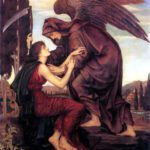 Samael
In the context of fallen angels, Saleos represents the idea of transformation. The narratives surrounding Saleos suggest that this figure was once a part of the heavenly host but chose to rebel against divine authority. This act of rebellion is a common theme in the stories of fallen angels, as they often symbolize the struggle between good and evil, order and chaos. Saleos’s origins serve as a reminder of the complexity of moral choices and the consequences that follow.
Characteristics of Saleos
Saleos is often depicted as a powerful being with a range of characteristics that reflect both his angelic origins and his fallen state. One of the most notable traits of Saleos is his wisdom. He is frequently described as possessing profound knowledge about the human condition, emotions, and relationships. This wisdom is not merely academic; it is practical and applicable to the challenges that individuals face in their lives. Saleos is said to understand the depths of human desires, fears, and motivations, making him a compelling figure in the realm of fallen angels.
Another characteristic associated with Saleos is his charisma. He is often portrayed as an alluring figure who can captivate those around him. This charm is both a blessing and a curse, as it can lead individuals to make choices that stray from their moral compass. Saleos’s charisma embodies the seductive nature of temptation, a common theme in the stories of fallen angels. This trait highlights the duality of his character, as he can be both a guide and a deceiver, depending on the choices made by those who encounter him.
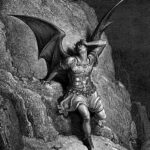 Satan
SatanSaleos in Literature and Mythology
The figure of Saleos appears in various literary and mythological contexts, often symbolizing the struggle between light and darkness. In many texts, Saleos is portrayed as a figure who can assist individuals in matters of love and relationships. This aspect of his character aligns with the broader themes of fallen angels, who often act as intermediaries between the divine and human realms. Saleos is known to help those seeking love, guiding them through the complexities of human emotions and connections.
In literature, Saleos can be found in works that explore the nature of good and evil. Authors often use his character to illustrate the consequences of choices made in the pursuit of desires. Saleos serves as a reminder that even those who possess great wisdom and charisma can lead others astray. This duality makes him a compelling figure in stories that aim to convey moral lessons about the importance of discernment and the impact of our choices.
Saleos in Modern Culture
In contemporary culture, the figure of Saleos continues to resonate, appearing in various forms of media, including films, books, and video games. Modern interpretations often emphasize the themes of rebellion and the quest for identity, reflecting the struggles faced by individuals in a rapidly changing world. Saleos’s character can be seen as a metaphor for the challenges of navigating personal desires while remaining true to one’s values.
 Seere
SeereMoreover, Saleos is sometimes portrayed as a tragic figure, one who embodies the pain of lost potential. This portrayal resonates with audiences who may feel a sense of disconnection from their own aspirations and dreams. The modern depiction of Saleos often emphasizes the internal conflict experienced by those who grapple with their choices, making him a relatable character in today’s narratives.
Symbolism of Saleos
The symbolism of Saleos is multifaceted, representing various aspects of the human experience. One of the primary symbols associated with Saleos is temptation. As a fallen angel, Saleos embodies the allure of choices that can lead individuals away from their moral path. This temptation is not solely negative; it also reflects the complexity of human desires and the choices that define our lives. The presence of Saleos in a narrative often serves as a catalyst for characters to confront their own desires and the consequences of their actions.
- Duality: Saleos represents the dual nature of existence, where light and darkness coexist. This duality is a central theme in many stories involving fallen angels.
- Wisdom: Saleos’s knowledge and understanding of human emotions highlight the importance of discernment in navigating life’s challenges.
- Rebellion: As a figure who defied divine authority, Saleos symbolizes the struggle for autonomy and the consequences that come with rebellion.
Additionally, Saleos can symbolize the search for identity. In his journey from an angelic being to a fallen entity, Saleos embodies the quest for self-understanding and acceptance. This theme resonates with many individuals who grapple with their own identities in a world that often imposes expectations and norms. Saleos’s character invites reflection on the nature of self and the importance of embracing one’s true essence, even in the face of adversity.
Saleos in Art and Representation
The artistic representation of Saleos varies across cultures and time periods, reflecting the evolving perceptions of fallen angels. In paintings, Saleos is often depicted with a mix of grace and intensity. Artists may choose to portray him with wings, symbolizing his celestial origins, while also incorporating darker elements to signify his fallen state. This juxtaposition serves to highlight the complexity of his character, embodying both beauty and tragedy.
In sculpture, Saleos can be represented in various forms, capturing his duality through the use of materials and techniques. Artists may opt for a more abstract representation, allowing viewers to interpret Saleos in their own way. This open-ended approach invites contemplation on the nature of fallen angels and their place in the human experience. The visual representation of Saleos often serves as a reminder of the struggles faced by individuals as they navigate the complexities of their own lives.
Saleos and Personal Reflection
Engaging with the figure of Saleos can lead to profound personal reflection. For many, Saleos serves as a mirror, reflecting their own struggles with temptation, identity, and morality. The stories and representations of Saleos invite individuals to explore their own desires and the choices that shape their lives. This exploration can be a valuable tool for personal growth, allowing individuals to confront their own motivations and the consequences of their actions.
Moreover, Saleos can inspire individuals to embrace their complexities. Just as Saleos embodies both light and darkness, individuals are encouraged to acknowledge their multifaceted nature. This acceptance can lead to greater self-awareness and a deeper understanding of one’s own journey. The narrative of Saleos serves as a reminder that every individual has the capacity for both good and evil, and it is through our choices that we define ourselves.
The Legacy of Saleos
The legacy of Saleos continues to thrive in modern discourse surrounding fallen angels. As society grapples with themes of morality, identity, and the consequences of choices, Saleos remains a relevant figure. The stories and representations of Saleos challenge individuals to confront their own desires and the impact of their actions on themselves and others. This legacy emphasizes the importance of understanding the complexities of human nature and the continuous struggle between good and evil.
Furthermore, Saleos’s character encourages a dialogue about the nature of redemption. While he is often viewed as a fallen angel, there is also the potential for transformation and growth. This idea resonates with individuals seeking to navigate their own paths, highlighting the possibility of redemption and the power of personal choice. Saleos serves as a reminder that, regardless of one’s past, there is always the opportunity for change and self-discovery.
In exploring the figure of Saleos, we delve into the rich tapestry of fallen angels, examining their characteristics, symbolism, and cultural significance. Saleos embodies the complexities of human existence, serving as a reminder of the choices we make and the paths we choose. His legacy continues to inspire reflection and dialogue, inviting individuals to confront their own desires and the consequences of their actions. As we navigate the intricate landscape of life, Saleos remains a powerful symbol of the eternal struggle between light and darkness.