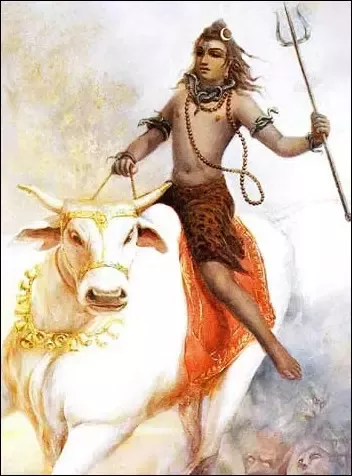
Sâdhyas are a fascinating group of divine beings in Hindu mythology, often associated with the concept of achievement and fulfillment. They are typically regarded as celestial beings who possess the power to help individuals attain their desires, goals, and aspirations. The Sâdhyas are mentioned in various ancient texts, including the Vedas and the Puranas, where they are depicted as benevolent entities that can influence the material and spiritual realms. Their role in the mythological landscape of Hinduism is significant, as they embody the ideals of success and prosperity.
The Origin of Sâdhyas
The origin of the Sâdhyas can be traced back to the ancient scriptures of Hinduism. They are often described as the offspring of Aditya, the sun god, and are considered to be a part of the Devas, or celestial beings. The term “Sâdhyas” itself is derived from the Sanskrit root “sadh,” which means “to accomplish” or “to fulfill.” This etymology highlights their purpose as facilitators of success and achievement. According to various texts, the Sâdhyas are associated with the Yajurveda, where they are invoked in rituals aimed at securing favorable outcomes.
 Rukmini
In addition to their origins in the Vedic texts, the Sâdhyas are also linked to the solar cycle. They are often depicted as having a close relationship with the sun, symbolizing light, clarity, and the realization of goals. This connection emphasizes their role as guides who illuminate the path to success. The Sâdhyas are said to inhabit the heavens, and their presence is believed to influence the earthly realm, making them crucial figures in the cosmic order.
Sâdhyas are characterized by several unique traits that set them apart from other divine beings in Hindu mythology. One of their most notable characteristics is their ability to grant boons or wishes to those who seek their help. This quality makes them highly revered among devotees, as they are seen as intermediaries who can bridge the gap between human desires and divine fulfillment. Many rituals and prayers are directed towards the Sâdhyas, asking for their blessings in achieving personal and spiritual goals.
Another important aspect of the Sâdhyas is their association with wisdom and knowledge. They are often depicted as wise beings who possess profound understanding and insight into the workings of the universe. This wisdom allows them to assist individuals in making informed decisions that lead to success. The Sâdhyas are also believed to embody qualities such as compassion and benevolence, making them approachable figures for those in need of guidance.
 Rudras
The Sâdhyas hold a significant place in various Hindu rituals and practices. They are often invoked during sacrifices and yajnas, where their blessings are sought to ensure the success of the rituals. Devotees believe that by honoring the Sâdhyas, they can enhance their chances of achieving their goals, whether they are related to career, relationships, or spiritual growth. The rituals may include offerings of flowers, fruits, and other items that symbolize prosperity and abundance.
In addition to formal rituals, the Sâdhyas are also worshipped in personal prayers and meditations. Many individuals dedicate specific times during their day to reflect on their goals and seek the assistance of the Sâdhyas. This practice often involves chanting mantras that resonate with the energies of the Sâdhyas, creating a connection that is believed to enhance the likelihood of success. The simple act of focusing on one’s desires while invoking the Sâdhyas can be a powerful tool for manifestation.
The Sâdhyas play a vital role in the philosophical underpinnings of Hindu thought. They embody the idea that human beings have the potential to achieve their desires through dedication and effort. This belief aligns with the concept of Karma, where every action has consequences, and individuals are encouraged to work towards their goals with integrity and perseverance. The Sâdhyas serve as a reminder that success is attainable, but it often requires a combination of divine assistance and personal effort.
 Rudranis
Furthermore, the Sâdhyas represent the balance between the material and spiritual worlds. They encourage individuals to pursue their goals while also fostering a sense of spiritual awareness. This dual focus on achievement and spirituality is a hallmark of Hindu philosophy, emphasizing that true success encompasses both material fulfillment and inner growth. The Sâdhyas exemplify this balance, showing that one can strive for success while remaining grounded in spiritual values.
In contemporary Hinduism, the influence of the Sâdhyas can be seen in various aspects of daily life. Many individuals still turn to these divine beings when faced with challenges or when pursuing specific goals. The practice of invoking the Sâdhyas has evolved, but their essence remains deeply rooted in the cultural and spiritual fabric of Hindu society. People often share stories of how they felt guided by the Sâdhyas in times of need, reinforcing their significance in modern life.
Moreover, the Sâdhyas have found a place in popular culture, where their symbolism is often used to represent success and achievement. This representation resonates with many, as individuals aspire to fulfill their dreams and ambitions. The Sâdhyas serve as a source of inspiration, reminding people that with effort and divine support, they can overcome obstacles and achieve their desired outcomes.
The symbolism associated with Sâdhyas is rich and varied. They are often depicted in art and literature as radiant beings, representing the light of success and achievement. Their connection to the sun further reinforces this symbolism, as the sun is a powerful representation of vitality and growth. In many depictions, Sâdhyas are shown with attributes that symbolize abundance, such as gold and wealth, highlighting their role as facilitators of prosperity.
Additionally, the Sâdhyas are frequently associated with various animals that symbolize strength and success. For instance, they may be depicted alongside elephants or lions, animals that are often regarded as powerful and majestic. This association emphasizes the idea that success requires not only divine assistance but also the strength and determination to pursue one’s goals. The symbolism of the Sâdhyas serves as a reminder of the multifaceted nature of achievement, incorporating both external support and personal effort.
When examining the Sâdhyas in the context of comparative mythology, it is interesting to note that many cultures have similar figures that represent success and fulfillment. In various mythologies, there are divine beings or spirits that assist humans in achieving their desires. For instance, in Greek mythology, the concept of Fortuna, the goddess of fortune, shares similarities with the Sâdhyas. Both embody the idea that external forces can influence one’s success and that divine favor plays a role in human endeavors.
Furthermore, the concept of guardian spirits in different cultures parallels the role of the Sâdhyas. Many cultures believe in spiritual beings that provide guidance and support to individuals as they navigate life’s challenges. This cross-cultural phenomenon highlights a universal human desire for assistance in achieving goals, suggesting that the Sâdhyas resonate with a broader human experience beyond the confines of Hindu mythology.
the Sâdhyas hold a significant place in Hindu mythology, embodying the ideals of achievement, fulfillment, and divine support. Their characteristics, origins, and roles in rituals and philosophy illustrate their importance in both ancient and modern contexts. As symbols of success and wisdom, the Sâdhyas continue to inspire individuals on their journeys toward realizing their dreams. Through their enduring legacy, the Sâdhyas remind us that with determination, effort, and divine guidance, anything is possible.