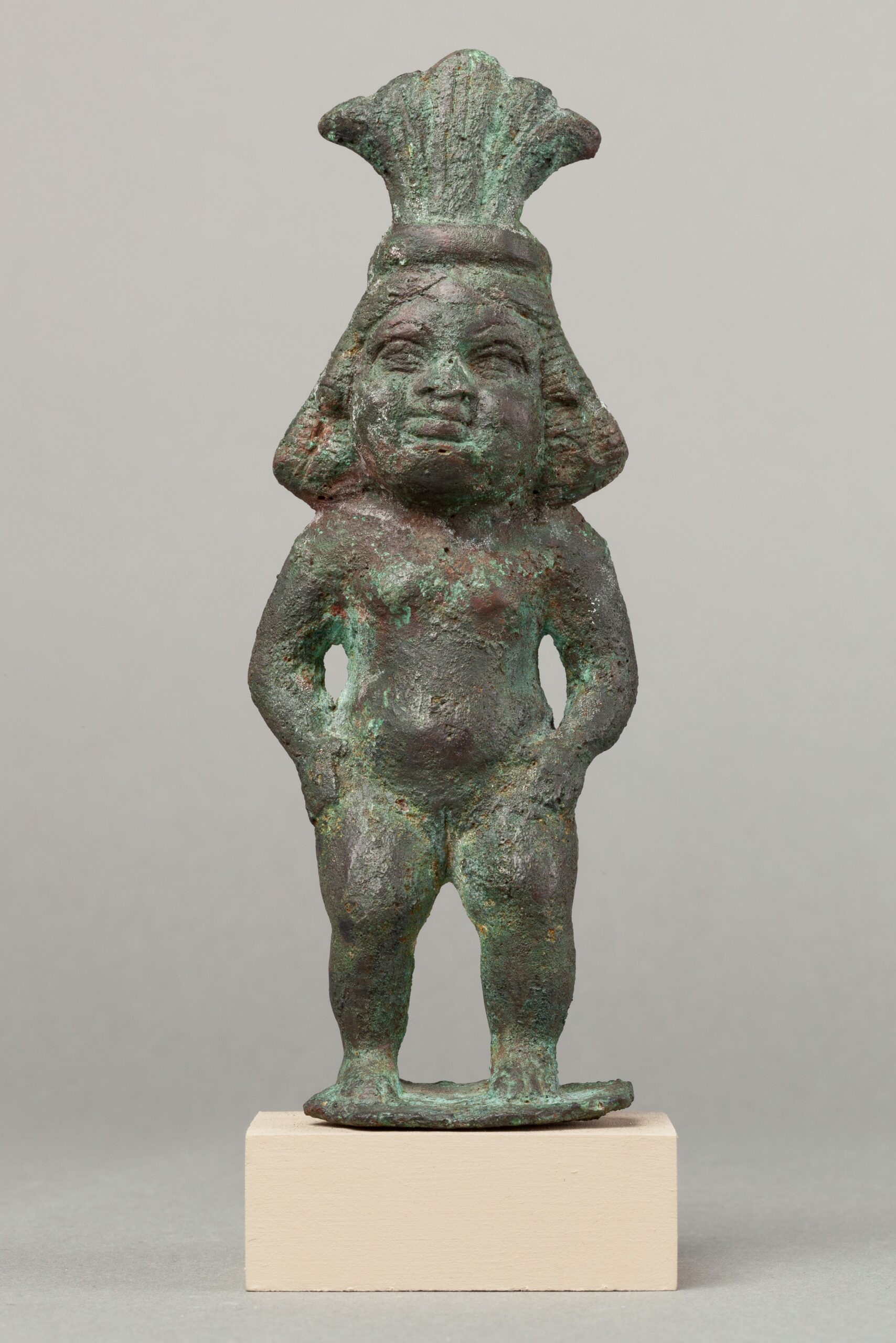
In the rich tapestry of Egyptian mythology, many deities played crucial roles in the lives of ancient Egyptians. One such deity is Beset, a goddess associated with a variety of aspects, including protection, childbirth, and music. Beset is often depicted as a fierce protector, and her image and symbols were widely used to ensure safety and well-being. Her significance in ancient Egyptian culture cannot be overstated, as she represented the protective forces of nature and the nurturing aspects of motherhood.
Origins of Beset
Beset has a fascinating origin story that intertwines with the history of ancient Egypt. She is often considered a goddess of protection, and her roots can be traced back to the early periods of Egyptian civilization. Initially, she was worshipped in the form of a lioness, symbolizing her strength and ferocity. Over time, her image evolved, and she became associated with domestic life and family. The transition from a lioness to a more human-like figure demonstrates how ancient Egyptians viewed their deities as evolving entities, adapting to the needs and concerns of their society.
 Bes
BesThroughout history, the worship of Beset spread across Egypt, with her cult gaining popularity, especially in the New Kingdom. She became a symbol of motherhood and fertility, embodying the protective nature of women. Her association with childbirth made her a favored goddess among expectant mothers, who sought her blessings for a safe delivery. The dual nature of Beset, representing both ferocity and nurturing, highlights the complexity of ancient Egyptian beliefs regarding femininity and motherhood.
Depictions and Symbols
Beset is typically depicted in a variety of forms, each emphasizing different aspects of her character. She is often shown as a woman with the head of a lioness or a domestic cat, which signifies her protective nature. In many artworks, she is seen holding musical instruments, particularly the sistrum, a type of rattle used in religious ceremonies. This connection to music highlights her role in celebrations and rituals, where her presence was believed to bring joy and harmony.
In addition to her physical depictions, various symbols are associated with Beset. The amulet of Beset, often worn by women and children, was believed to offer protection from evil spirits and misfortune. These amulets were crafted from different materials, including gold, bronze, and faience, showcasing the importance of Beset in daily life. The act of wearing such amulets illustrates the deep-seated belief in the power of deities to influence one’s fate.
 Benu
BenuRoles and Functions
Beset’s roles in Egyptian mythology are diverse and multifaceted. As a goddess of childbirth, she was invoked during labor to ensure the safety of both mother and child. Ancient Egyptian women would often call upon her name, seeking her guidance and protection during this critical time. Rituals and offerings were made in her honor, emphasizing the belief that she had the power to influence the outcome of childbirth.
Beyond her maternal aspects, Beset was also associated with joy and celebration. Her connection to music and dance made her a central figure in various festivals, where people would gather to honor her through joyous expressions of art. These celebrations served not only as a means to pay tribute to the goddess but also as a way for communities to come together, reinforcing social bonds and shared beliefs.
Worship and Rituals
The worship of Beset was widespread, and her followers engaged in various rituals to honor her. Temples dedicated to her were often found in both urban and rural areas, where people could come to seek her blessings. These temples served as sacred spaces where rituals were performed, and offerings were made. Common offerings included food, incense, and flowers, all intended to please the goddess and secure her favor.
 Bat
BatOne of the most significant rituals associated with Beset involved the celebration of the Feast of Beset. This festival, held annually, was marked by music, dancing, and feasting. During this time, people would gather to honor the goddess, expressing their gratitude for her protection and blessings. The festivities often included theatrical performances that depicted her mythological stories, allowing the community to connect with their cultural heritage and the divine.
Mythological Stories
Various myths surrounding Beset illustrate her importance in Egyptian mythology. One prominent story involves her fierce battle against the serpent Apep, a symbol of chaos and destruction. In this myth, Beset is portrayed as a warrior, fiercely protecting the sun god Ra during his nightly journey through the underworld. This narrative highlights her role as a guardian, emphasizing her strength and determination in the face of evil.
Another myth depicts Beset’s nurturing side, showcasing her as a loving mother. In this story, she cares for the god Horus, ensuring his safety and well-being during his childhood. This maternal aspect of Beset resonates deeply with the ancient Egyptians, who valued the protective qualities of motherhood. Such stories contributed to her popularity and reinforced her significance in the lives of her worshippers.
Comparison with Other Deities
Beset’s characteristics and functions can be compared to those of other deities within the Egyptian pantheon. For instance, the goddess Isis shares similarities with Beset, particularly in her role as a protector of children and a symbol of motherhood. Both goddesses embody the nurturing aspects of femininity, yet they also possess unique qualities that distinguish them. While Isis is often associated with magic and healing, Beset emphasizes protection and joy.
Another deity worth mentioning is Hathor, who is also linked to motherhood, love, and music. Like Beset, Hathor was celebrated for her nurturing qualities and was often depicted in joyous contexts. However, Hathor’s association with love and beauty gives her a different dimension compared to Beset’s fierce protective nature. This comparison highlights the rich diversity of Egyptian mythology, where each goddess plays a distinct yet interconnected role.
Legacy and Influence
The legacy of Beset extends beyond ancient Egypt, influencing various aspects of culture and religion. Her image and symbols have been discovered in artifacts across the Mediterranean, indicating the spread of her worship beyond Egyptian borders. In later periods, especially during the Greco-Roman era, Beset’s influence persisted, as she was often integrated into other cultural practices and belief systems.
In contemporary times, the fascination with Egyptian mythology has revived interest in deities like Beset. Many people are drawn to her as a symbol of protection and motherhood, finding inspiration in her stories and attributes. The resurgence of interest in ancient beliefs has led to the incorporation of her imagery in modern art, jewelry, and literature, showcasing her enduring legacy in the collective consciousness.
Through her diverse roles and rich mythology, Beset remains a captivating figure in Egyptian mythology. Her stories, symbols, and worship practices highlight the ancient Egyptians’ deep connection to their deities and the values they represented. As a goddess of protection, motherhood, and joy, Beset continues to inspire and resonate with people, ensuring her place in the annals of mythology for generations to come.