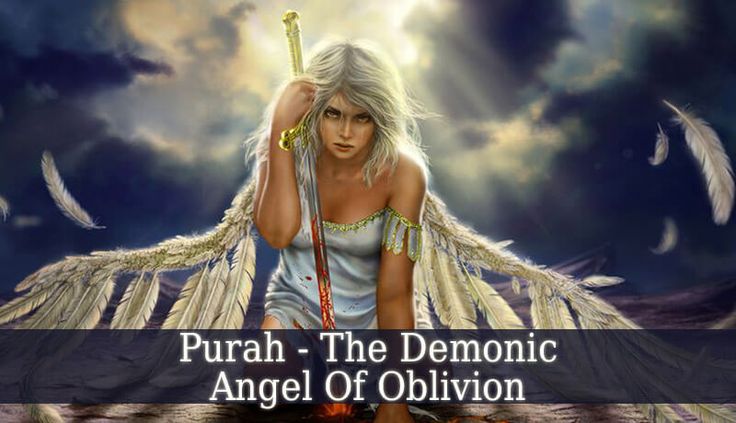
Purah is a name that often resonates within the realm of fallen angels. The term “fallen angel” itself refers to angels who have been cast out of heaven due to rebellion against God. In many religious texts, these beings are depicted as once being powerful and divine but have since lost their grace. Purah, as a fallen angel, embodies the complexities and struggles that come with such a significant transformation. This article delves into the life, attributes, and significance of Purah within the broader context of fallen angels.
The Origin of Purah
Understanding the origin of Purah requires a look into the ancient texts that speak of angelic hierarchies. In many religious traditions, angels are categorized based on their roles and functions. Purah is often associated with the third hierarchy of angels, which includes those tasked with guiding and protecting humanity. However, Purah’s story takes a different turn, leading to his eventual fall from grace.
 Purson
Before his fall, Purah was known for his remarkable beauty and strength. He was one of the seraphim, a high-ranking order of angels known for their fiery passion and proximity to the divine. His role was to serve as a guardian of heavenly secrets, a position that granted him considerable power and influence. However, this power also led to pride, which ultimately became his downfall.
The Fall from Grace
The story of Purah’s fall is a cautionary tale about the dangers of pride and ambition. According to various texts, Purah became envious of God’s supremacy and sought to overthrow Him. This rebellion was not unique to Purah; many angels fell into the same trap. However, Purah’s desire for power was particularly intense, leading him to gather followers among the other angels.
The rebellion culminated in a celestial battle, where Purah and his followers confronted the forces loyal to God. The conflict was fierce, but ultimately, Purah and his followers were defeated. As punishment for their insurrection, they were cast out of heaven and into the abyss. This marked the beginning of Purah’s existence as a fallen angel, a being stripped of his former glory and condemned to wander the earth.
 Qemuel
As a fallen angel, Purah possesses certain attributes that set him apart from both humans and other celestial beings. One of the most notable characteristics of Purah is his charisma. Even in his fallen state, he retains a magnetic charm that can easily draw people in. This quality allows him to manipulate and influence those around him, often leading them astray.
Another significant attribute of Purah is his intelligence. He is often portrayed as a cunning being, possessing knowledge of both the divine and the mortal realms. This intelligence is not used for good; instead, Purah employs it to deceive and tempt individuals, enticing them into making choices that lead them away from righteousness.
Physical Appearance
- Fiery Eyes: Purah’s eyes are often described as glowing with an intense fire, symbolizing his passion and anger.
- Dark Wings: Unlike the pristine wings of heavenly angels, Purah’s wings are dark and tattered, representing his fall from grace.
- Majestic Presence: Despite his fallen status, Purah maintains an aura of majesty that can be both alluring and intimidating.
These attributes combine to create a complex character who embodies both beauty and danger. Purah’s presence is a reminder of the thin line between light and darkness, illustrating how easily one can fall from grace.
 Rahab
RahabPurah’s story has inspired various works of literature, art, and cultural narratives throughout history. In many stories, he is portrayed as a tragic figure, a once-great being who succumbed to his flaws. This portrayal resonates with themes of redemption and the consequences of ambition.
In literature, Purah is often depicted as a symbol of rebellion and free will. Authors explore the idea that even celestial beings can falter, making him relatable to human experiences. His character serves as a reminder of the struggles individuals face when grappling with their desires and ambitions.
Purah in Modern Culture
- Films: Various movies have depicted fallen angels, often drawing inspiration from Purah’s narrative.
- Music: Songs exploring themes of loss, rebellion, and redemption often reference fallen angels, including Purah.
- Art: Artists frequently portray Purah as a figure of both beauty and tragedy, emphasizing his dual nature.
These cultural representations illustrate how Purah’s story transcends religious texts, becoming a part of the human experience. His journey serves as a reflection of our own struggles and the choices we make.
The presence of Purah as a fallen angel has implications for human behavior and morality. His story serves as a cautionary tale, warning against the dangers of pride, ambition, and the desire for power. Many religious teachings emphasize the importance of humility and obedience to divine will, lessons that are vividly illustrated through Purah’s downfall.
In psychological terms, Purah can be seen as a representation of the darker aspects of human nature. His character embodies the internal struggles individuals face when confronted with temptation and the desire for more. This internal conflict can lead to choices that ultimately result in negative consequences.
Lessons from Purah
- Embrace Humility: Recognizing the importance of humility can help prevent the pitfalls of pride.
- Understand Consequences: Every action has consequences, and it is essential to consider the potential outcomes of one’s choices.
- Seek Redemption: Even after falling, there is always the possibility of seeking redemption and making amends.
By reflecting on Purah’s story, individuals can gain insight into their own lives, recognizing the importance of making wise choices and understanding the complexities of human nature.
Redemption is a significant theme in the narrative of Purah. While he is often seen as a figure of despair and loss, there are also interpretations that suggest the possibility of redemption for fallen angels. This idea is rooted in the belief that even the most lost beings can find their way back to grace if they genuinely seek forgiveness.
In various religious traditions, the concept of redemption emphasizes the power of forgiveness and the ability to change one’s path. Purah’s story, though tragic, can serve as a beacon of hope for those who feel lost. It suggests that no matter how far one has fallen, there is always a chance for renewal and healing.
Pathways to Redemption
- Self-Reflection: Acknowledging one’s flaws and mistakes is the first step toward redemption.
- Seeking Forgiveness: Genuine repentance and seeking forgiveness from others and oneself are crucial.
- Acts of Kindness: Engaging in acts of kindness and service can help restore balance and promote healing.
By embracing these pathways, individuals can work toward their own redemption, mirroring the potential journey of Purah. This narrative underscores the belief that redemption is possible, regardless of one’s past actions.
The figure of Purah can also be examined through the lens of comparative mythology. Many cultures have their own versions of fallen angels or similar beings who rebel against the divine order. These stories often share common themes, including the struggle for power, the consequences of rebellion, and the possibility of redemption.
For instance, in Christianity, Purah’s narrative closely parallels that of Lucifer, another fallen angel who sought to overthrow God. Both figures embody the dangers of pride and ambition, serving as reminders of the potential consequences of such desires. Similarly, in Islamic tradition, Iblis is a figure who refused to bow to Adam, leading to his fall from grace.
Common Themes in Fallen Angel Mythology
- Rebellion: The desire to challenge the divine order is a recurring theme across various cultures.
- Pride: Many fallen angels exhibit extreme pride, which ultimately leads to their downfall.
- Redemption: The possibility of redemption is a common thread, offering hope even to the most lost beings.
These shared themes highlight the universal nature of Purah’s story, demonstrating how the struggles of fallen angels resonate with human experiences across cultures and time periods.
The legacy of Purah extends beyond religious texts and into the broader cultural consciousness. His story serves as a cautionary tale about the dangers of ambition and pride, encouraging individuals to reflect on their own choices and actions. The impact of Purah’s narrative can be seen in various aspects of culture, including literature, art, and popular media.
In literature, authors continue to draw inspiration from Purah’s character, exploring themes of rebellion, redemption, and the complexities of human nature. His story serves as a powerful reminder of the struggles individuals face when navigating their desires and ambitions.
Influence on Modern Narratives
- Character Archetypes: Purah has influenced the development of character archetypes in literature and film, representing the tragic hero or the fallen figure seeking redemption.
- Symbolism: The symbolism of fallen angels, including Purah, is often used to explore deeper themes of morality and the human condition.
- Artistic Expression: Artists continue to depict Purah in various forms, capturing the essence of his character and the duality of light and darkness.
As a result, Purah’s legacy endures, serving as a source of inspiration and reflection for generations to come. His story encourages individuals to confront their own struggles and consider the consequences of their actions.
At the heart of Purah’s story is a profound connection to humanity. His journey from a powerful angel to a fallen being serves as a mirror for human experiences, illustrating the complexities of ambition, pride, and the desire for power. Purah’s character resonates with individuals who grapple with their own aspirations and the moral dilemmas that arise from them.
This connection to humanity is further emphasized by the themes of redemption and forgiveness present in Purah’s narrative. Many people can relate to the feeling of having fallen short or made mistakes, and the idea that redemption is possible offers hope and encouragement. Purah’s story serves as a reminder that even in our darkest moments, there is always a path toward healing and growth.
Reflections on Human Nature
- Ambition: The drive to achieve can lead to both success and downfall, mirroring Purah’s journey.
- Temptation: The struggle against temptation is a universal experience, reflected in Purah’s ability to manipulate others.
- Redemption: The possibility of redemption is a powerful theme that encourages individuals to seek forgiveness and strive for personal growth.
By examining Purah’s connection to humanity, individuals can gain valuable insights into their own lives, fostering a deeper understanding of the complexities of human nature and the choices we make.
In various spiritual practices, the figure of Purah may be invoked or referenced as a means of exploring themes of temptation, rebellion, and redemption. Some practitioners may view Purah as a symbol of the challenges individuals face on their spiritual journeys, serving as a reminder of the importance of humility and self-awareness.
In certain traditions, rituals and meditative practices may incorporate the story of Purah to encourage reflection on personal struggles and the desire for growth. By engaging with the narrative of Purah, individuals can confront their own inner conflicts and seek a path toward healing and transformation.
Spiritual Lessons from Purah
- Self-Examination: Engaging in self-reflection can help individuals identify areas of pride and ambition that may lead to negative consequences.
- Seeking Guidance: Understanding the importance of seeking guidance from higher powers can foster humility and wisdom.
- Embracing Forgiveness: Learning to forgive oneself and others is essential for personal growth and healing.
Through these spiritual lessons, Purah’s narrative becomes a tool for personal development, encouraging individuals to navigate their own journeys with awareness and intention.
The figure of Purah has made a lasting impact on the collective consciousness, serving as a symbol of the eternal struggle between light and darkness. His story resonates with individuals across cultures and belief systems, highlighting the universal themes of ambition, rebellion, and the quest for redemption.
As societies evolve, the narrative of Purah continues to be relevant, reminding individuals of the complexities of human nature and the choices we face. His character serves as a powerful archetype, representing the duality of existence and the potential for both good and evil within us all.
Influence on Society
- Moral Lessons: Purah’s story provides moral lessons that resonate with individuals seeking to understand their own actions and motivations.
- Cultural Reflections: The figure of Purah serves as a reflection of societal values and the ongoing struggle between ambition and humility.
- Artistic Inspiration: Artists and creators continue to draw inspiration from Purah’s narrative, contributing to the richness of cultural expressions.
In this way, Purah’s legacy remains a vital part of the collective consciousness, shaping the way individuals understand themselves and the world around them.