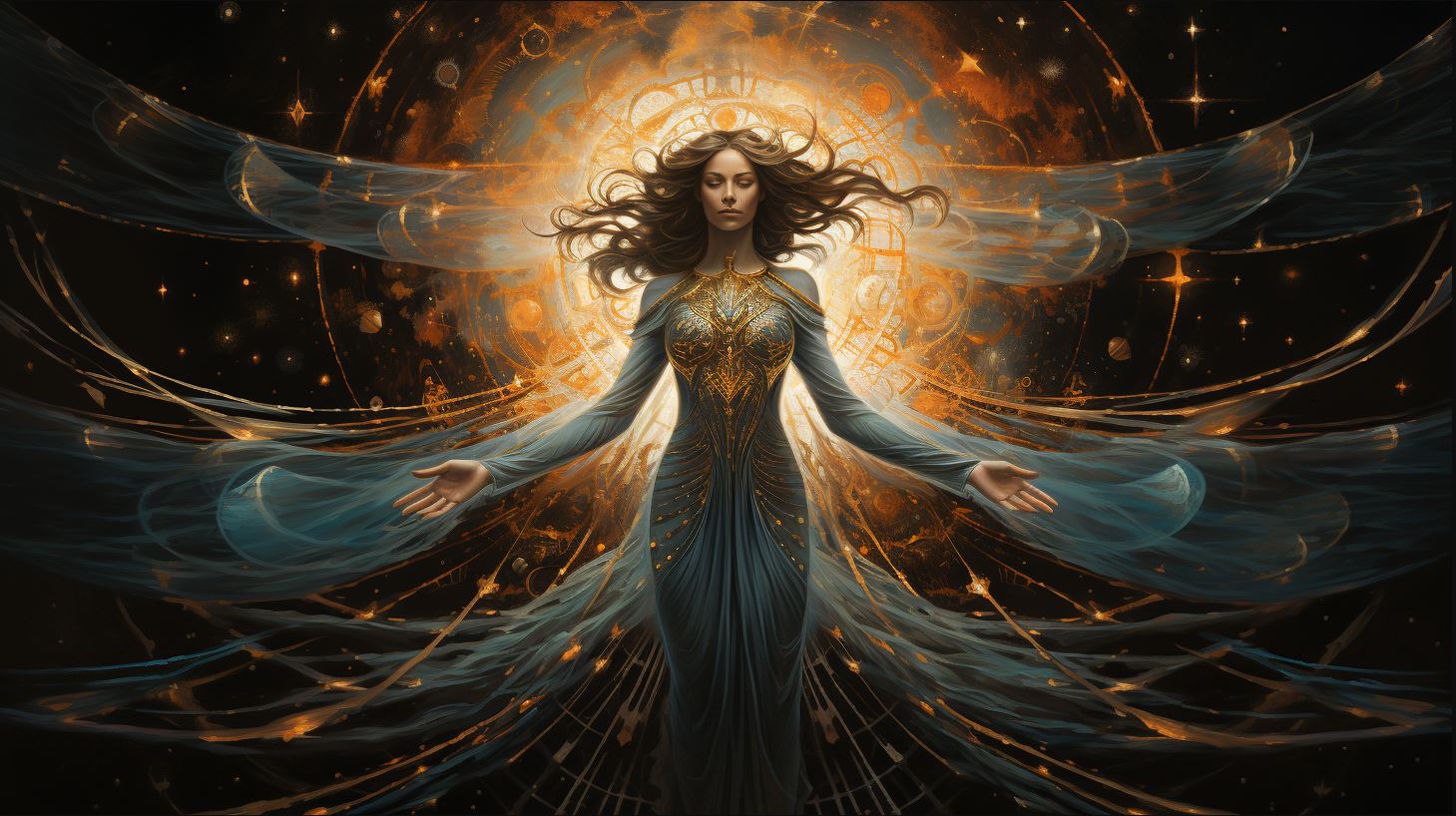
Ninsun is a significant figure in Mesopotamian mythology, often recognized as a goddess associated with wisdom and motherhood. She holds an essential role in various ancient texts, particularly in Sumerian and Akkadian traditions. Ninsun is primarily known as the mother of the legendary hero Gilgamesh, the protagonist of the famous Epic of Gilgamesh. Her character embodies the qualities of a nurturing mother while also possessing divine wisdom, which makes her an influential figure in the stories that surround her.
Ninsun in Sumerian Mythology
In Sumerian mythology, Ninsun is often referred to as the “Lady of the Wild Cows.” This title highlights her connection to nature and fertility. She is frequently depicted as a nurturing figure who provides sustenance and guidance to her son, Gilgamesh. Ninsun’s relationship with nature is significant, as it symbolizes the connection between the divine and the earthly realms. The wild cows she is associated with represent abundance and the nurturing aspects of motherhood, essential for the survival and growth of her community.
 Ninlil
Ninsun’s wisdom is another crucial aspect of her character. She is often depicted as a source of knowledge and insight, guiding her son through his challenges. In the Epic of Gilgamesh, Ninsun interprets dreams for Gilgamesh, helping him understand the divine messages he receives. This role as a dream interpreter emphasizes her connection to the spiritual world and her ability to bridge the gap between the gods and humans. Ninsun’s wisdom is not only beneficial for Gilgamesh but also serves as a reminder of the importance of maternal guidance in ancient Mesopotamian society.
Ninsun’s Role as a Mother
Ninsun’s role as a mother is one of the most prominent aspects of her character. She is portrayed as a loving and protective figure, always concerned for the well-being of her son, Gilgamesh. This maternal bond is central to the narrative of the Epic of Gilgamesh, where Ninsun’s support and advice play a crucial role in Gilgamesh’s journey. Her love for Gilgamesh is evident, as she wishes to see him succeed and grow into a great leader. This nurturing aspect of her character highlights the importance of maternal figures in ancient Mesopotamian culture.
Moreover, Ninsun’s relationship with Gilgamesh reflects the broader themes of parenthood and guidance. She instills in him the values of strength, courage, and wisdom, which are essential for his development as a hero. Ninsun’s influence is crucial as Gilgamesh embarks on his adventures, facing various challenges and learning important life lessons. The dynamic between Ninsun and Gilgamesh serves as a reminder of the significant role mothers play in shaping the destinies of their children, particularly in the context of heroism and leadership.
 Ninkasi
Mythological Stories Involving Ninsun
Several myths and stories involve Ninsun, showcasing her importance in Mesopotamian mythology. One of the most notable stories is her involvement in the creation of Enkidu, the wild man who becomes Gilgamesh’s closest friend. Ninsun’s wisdom and foresight lead her to understand that Gilgamesh needs a companion to temper his strength and arrogance. By facilitating the creation of Enkidu, Ninsun plays a vital role in the development of the friendship that becomes central to the Epic of Gilgamesh.
Another important story is Ninsun’s dream interpretation. In one instance, Gilgamesh shares his dreams with her, and she provides him with insight into their meaning. Her interpretations reveal that Gilgamesh is destined for greatness, but he must also confront challenges and threats. This guidance from Ninsun underscores her role as a wise mother who helps her son navigate the complexities of his destiny. Through these stories, Ninsun’s character is further developed, illustrating her multifaceted nature as a mother, goddess, and source of wisdom.
 Ninhursaga
Ninsun’s Worship and Cult
Ninsun was worshiped in various cities of ancient Mesopotamia, particularly in Uruk, where her son Gilgamesh was a prominent figure. Temples dedicated to Ninsun served as places of worship and community gathering, where people sought her guidance and blessings. The worship of Ninsun highlights the significance of maternal deities in Mesopotamian religion, reflecting the cultural values surrounding motherhood and fertility. Her cult emphasized the importance of divine guidance and support in everyday life.
Rituals and offerings were common practices among her followers. People would bring gifts and sacrifices to her temples, seeking her favor and protection. These rituals often included prayers and hymns that praised her wisdom and nurturing qualities. Ninsun’s worship also reflects the broader themes of fertility and abundance in Mesopotamian society, as she was associated with the growth of crops and livestock. Her role as a mother goddess made her an essential figure in the lives of the people who sought her blessings.
Comparative Analysis with Other Deities
When examining Ninsun in the context of other deities in Mesopotamian mythology, one can draw parallels with figures such as Ishtar and Inanna. While Ishtar and Inanna are often associated with love, war, and sexuality, Ninsun embodies the qualities of wisdom, motherhood, and nurturing. This distinction highlights the diverse roles that goddesses played in Mesopotamian culture, with each deity representing different aspects of life and the human experience.
Another interesting comparison can be made with the Egyptian goddess Isis, who is also revered for her maternal qualities and wisdom. Both Ninsun and Isis serve as protective figures for their sons, guiding them through challenges and supporting their journeys. These similarities reflect a common theme in ancient mythologies, where maternal figures are essential for the development and success of heroes. The reverence for such goddesses underscores the significance of motherhood in various cultures and the importance of maternal guidance in shaping destinies.
Ninsun in Modern Interpretations
In contemporary discussions of mythology, Ninsun’s character has gained renewed interest, particularly in the context of feminist interpretations. Scholars and enthusiasts explore her role as a powerful mother figure, challenging traditional narratives that often prioritize male heroes. Ninsun’s wisdom and guidance are seen as essential components of Gilgamesh’s journey, highlighting the importance of female figures in mythological stories. This modern perspective encourages a deeper understanding of the dynamics between male and female characters in ancient texts.
Furthermore, Ninsun’s portrayal as a nurturing and wise mother resonates with modern audiences, emphasizing the timeless nature of maternal love and guidance. Her character serves as a reminder of the enduring significance of mothers in shaping the lives of their children, regardless of the era. As contemporary society continues to grapple with issues of gender and representation, Ninsun’s story remains relevant, inviting discussions about the roles of women in mythology and their impact on cultural narratives.
While the exploration of Ninsun in Mesopotamian mythology is rich and multifaceted, it is essential to recognize her enduring legacy. As a goddess of wisdom and motherhood, Ninsun embodies the qualities that are still celebrated today. Her influence on Gilgamesh and her role as a nurturing figure highlight the importance of maternal guidance in ancient cultures. Through the stories and worship surrounding Ninsun, we gain insight into the values and beliefs of Mesopotamian society, revealing the significance of divine maternal figures in shaping the human experience.