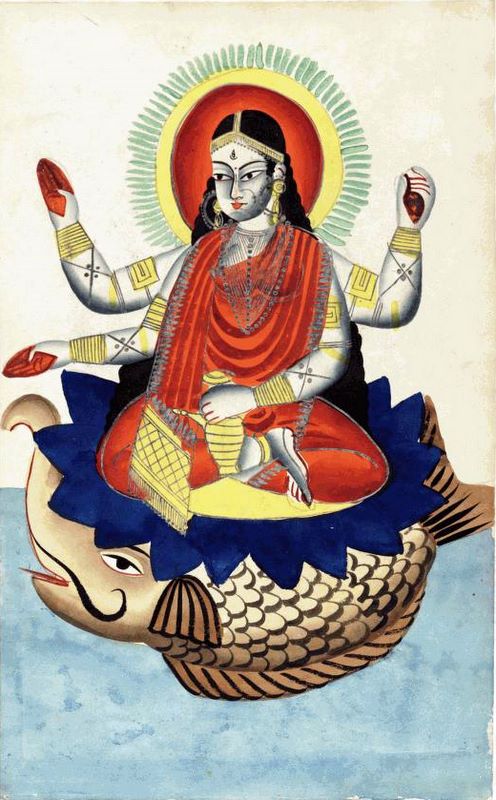
The concept of Ganga, also known as the Ganges River, holds a significant place in Hindu mythology. This river is not only a vital water source for millions of people in India but also a sacred entity revered by followers of Hinduism. The Ganges is personified as a goddess, known as Ganga Devi, and her tales are deeply embedded in the spiritual and cultural fabric of India. Through various legends, the river is celebrated for her purity and the power she holds to cleanse sins and grant liberation.
The Origin of Ganga
The story of Ganga begins in the ancient texts of Hinduism, particularly in the Vedas and Purāṇas. According to these texts, Ganga originated from the celestial realms. She was brought to Earth through the efforts of King Bhagiratha, who performed intense penance to bring her down from the heavens. This was necessary because Ganga’s descent was feared to be too powerful and destructive for the Earth. To mitigate this, Lord Shiva intervened, allowing Ganga to flow gently from his matted locks, thus softening her descent.
 Ganesha
In this context, Ganga represents not just a river but a bridge between the heavens and the earth. The narrative emphasizes the importance of devotion and penance in achieving one’s goals. King Bhagiratha’s dedication is a profound example of how faith and perseverance can lead to the fulfillment of divine plans. As Ganga flows across the land, she symbolizes the connection between the divine and the earthly realm, nurturing life along her banks.
The Purifying Powers of Ganga
One of the most significant aspects of Ganga is her role as a purifier. In Hindu belief, taking a dip in the waters of Ganga can wash away one’s sins and grant spiritual liberation. This belief is rooted in various stories that illustrate her cleansing powers. For instance, it is said that when the Ganga flows, she carries away impurities, both physical and spiritual. Pilgrims flock to her banks, especially during festivals, to perform rituals that cleanse their souls.
Moreover, the river is often associated with the concept of moksha, or liberation from the cycle of birth and rebirth. Many Hindus aspire to have their ashes scattered in the Ganges after death, believing that this act will secure their passage to heaven. This illustrates the profound respect and reverence that Ganga commands in Hindu culture. It is not just a body of water but a sacred entity that embodies the hopes and aspirations of countless devotees.
 Gandharvas
The Festivals of Ganga
Throughout the year, numerous festivals celebrate Ganga and her significance in Hindu culture. One of the most prominent festivals is the Kumbh Mela, held every twelve years at four different locations along the river. This festival attracts millions of pilgrims who come to bathe in the sacred waters, seeking purification and blessings. The atmosphere during Kumbh Mela is vibrant, filled with rituals, prayers, and cultural performances, showcasing the rich heritage associated with Ganga.
Another important festival is Ganga Dussehra, which marks the descent of Ganga to Earth. Celebrated in the month of June, this festival is dedicated to worshipping the river. Devotees offer prayers, light lamps, and perform rituals to honor Ganga. The festivities are marked by singing devotional songs and sharing stories about the river’s significance, further embedding her role in the cultural consciousness of the people.
The Environmental Challenges Facing Ganga
Despite her revered status, Ganga faces significant environmental challenges. Rapid urbanization, industrialization, and pollution have taken a toll on the river’s health. Many cities along the banks of Ganga have seen an increase in waste disposal, leading to severe contamination of the waters. This not only affects the aquatic life within the river but also poses a health risk to the millions who depend on her for their daily needs.
 Pañcamakâras
Efforts are being made to restore the river’s purity through various governmental and non-governmental initiatives. The Namami Gange Programme, launched by the Indian government, aims to clean and rejuvenate the Ganges. This program focuses on reducing pollution, improving sewage treatment facilities, and raising awareness about the importance of preserving this sacred river. The challenge lies in balancing the needs of development with the need to protect and preserve Ganga for future generations.
The Cultural Impact of Ganga
The Ganges River has had a profound impact on Indian culture, inspiring countless works of art, literature, and music. Many poets and writers have sung her praises, portraying her as a symbol of purity and divinity. In classical Indian music, compositions often reflect the beauty and serenity of Ganga, capturing the essence of her flowing waters. This cultural representation helps to reinforce her significance in the hearts and minds of the people.
Additionally, Ganga has influenced various art forms, including painting and sculpture. Artists often depict the river and its surroundings, highlighting the picturesque landscapes and the spiritual aura that envelops her banks. Temples and ghats (steps leading to the river) line her shores, serving as places for worship and reflection. These structures not only enhance the aesthetic appeal of the river but also provide a space for communal gatherings and religious ceremonies.
Ganga in Modern Times
In modern times, Ganga continues to be a focal point for spirituality and tourism. The river attracts millions of visitors each year, who come to experience her sacredness and beauty. Tourists often engage in activities such as boat rides, yoga, and meditation along the banks, finding solace in the tranquility of the surroundings. The tourism industry surrounding Ganga has also contributed to local economies, providing livelihoods for many families.
Moreover, Ganga remains a subject of interest for environmentalists and researchers. The ongoing studies about her ecological health and the efforts to combat pollution have garnered attention both nationally and internationally. Various documentaries and articles highlight the need to preserve this vital water source, shedding light on the intricate relationship between nature and spirituality that Ganga embodies.
Legends and Myths Associated with Ganga
Numerous legends and myths surround Ganga, adding layers to her already rich narrative. One popular story involves the sage Vashistha, who had a conflict with the king of the heavens, Indra. In a bid to prove his superiority, Indra sent his celestial cow, Kamadhenu, to destroy Vashistha’s ashram. In response, Vashistha invoked Ganga, who emerged and consumed the cow, thus restoring peace. This tale illustrates Ganga’s protective nature and her role as a divine force against malevolence.
Another legend tells of the birth of the river from the feet of Lord Vishnu. It is said that when Vishnu took the form of a fish to save the sage Manu from a great flood, Ganga flowed from his feet, symbolizing her connection to the divine. This story highlights the river’s significance in the cosmic order and her role in maintaining balance in the universe.
Ganga in the Arts
The representation of Ganga in the arts is profound and diverse. In classical Indian dance forms, the river is often depicted through graceful movements that mimic her flowing waters. Dancers embody the essence of Ganga, celebrating her beauty and sanctity. The narratives told through dance often convey the stories of her origin and her importance in the lives of devotees.
In literature, Ganga has been a muse for many writers and poets. Her presence is felt in epic poems and stories, where she symbolizes life, spirituality, and the journey of the soul. Authors often use her as a metaphor for the passage of time, the flow of life, and the connection between the mortal and the divine. This literary exploration enriches the understanding of Ganga and reinforces her significance in the cultural landscape of India.
The Future of Ganga
The future of Ganga is a topic of great concern and hope. As the world becomes increasingly aware of environmental issues, there is a growing movement to protect and preserve the river. Various organizations are working towards sustainable practices that can help restore the ecological balance of Ganga. This includes initiatives to reduce plastic waste, promote eco-friendly tourism, and encourage communities to engage in conservation efforts.
Moreover, there is a need for increased public awareness about the importance of keeping Ganga clean. Educational programs and community initiatives can play a crucial role in fostering a sense of responsibility among the people who live along her banks. By instilling values of respect and care for the river, future generations can continue to honor Ganga as a sacred and vital part of their lives.
Ganga, as a river and a goddess, holds an unparalleled place in Hindu mythology and the hearts of millions. Her stories, cultural significance, and spiritual essence continue to inspire people across the globe. The ongoing efforts to protect and preserve her are a testament to the enduring relationship between humanity and nature. As we move forward, the legacy of Ganga will undoubtedly continue to shape the spiritual, cultural, and environmental landscape of India.