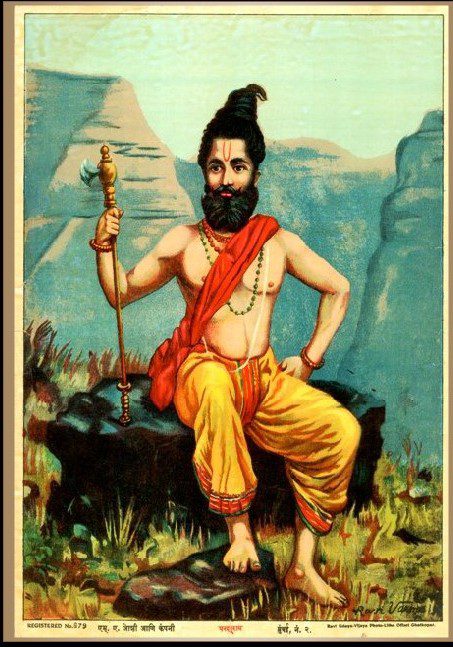
Parashurama is a significant figure in Hindu mythology, known as the sixth avatar of the god Vishnu. He is often depicted as a Brahmin warrior with an axe, symbolizing his dual nature as both a priest and a warrior. Parashurama’s story is rich with themes of duty, justice, and the eternal struggle between good and evil. His name literally translates to “Rama with the axe,” highlighting his unique weapon, which he uses to uphold dharma, or righteousness. Throughout various texts, including the Puranas and the Mahabharata, Parashurama’s character unfolds in fascinating ways, revealing much about the values and beliefs of Hindu culture.
Birth and Early Life
The birth of Parashurama is steeped in divine circumstances. He is the son of Jamadagni, a sage, and Renuka, a princess. According to legend, Renuka was known for her beauty and virtue, which caught the attention of King Kshatriya, who attempted to woo her. However, Renuka remained devoted to her husband, leading to a series of events that would shape Parashurama’s destiny. Parashurama’s early life was marked by the teachings of his father, who instilled in him the values of bravery and justice. As a young boy, he displayed exceptional skill in martial arts and was dedicated to mastering the art of warfare.
 Pandu
PanduParashurama’s upbringing as a Brahmin set the stage for his complex identity. He was trained in the sacred scriptures and the duties of a Brahmin while simultaneously honing his skills as a warrior. This duality is crucial to understanding his character, as he embodies the qualities of both a priest and a fighter. His education was not just limited to religious texts; he also learned the art of combat, which would later play a pivotal role in his life. This blend of knowledge and skill made him a formidable figure in Hindu mythology.
The Axe and the Curse
One of the most iconic aspects of Parashurama’s story is his axe, known as the “Parashu.” This weapon was given to him by Lord Shiva after rigorous penance. The axe symbolizes not only his martial prowess but also his commitment to protecting dharma. The acquisition of the axe marked a turning point in his life, as it empowered him to confront injustice and uphold righteousness. However, the path to obtaining this weapon was not easy. Parashurama faced numerous challenges and tests that proved his dedication and resolve.
The story takes a darker turn when Parashurama’s father, Jamadagni, is killed by a Kshatriya king named Kartavirya Arjuna. This tragic event ignites a fierce rage within Parashurama. He vows to avenge his father’s death and restore justice. Fueled by grief and anger, he sets out on a campaign against the Kshatriyas, leading to a bloody battle. Parashurama’s quest for vengeance illustrates the theme of retribution in Hindu mythology. His actions reflect the belief that righteousness must be defended, even if it requires extreme measures.
 Pandavas
Parashurama’s Campaign Against the Kshatriyas
Parashurama’s campaign against the Kshatriyas is one of the most significant episodes in his mythology. After the death of his father, he takes up his axe and begins a relentless pursuit of the Kshatriya kings. He is said to have killed 21 generations of Kshatriyas, demonstrating his unwavering commitment to avenging his father’s death. This act of annihilation serves as a reminder of the consequences of adharma, or unrighteousness, and the lengths to which a warrior will go to restore balance in the world.
During this campaign, Parashurama is often portrayed as a fierce and unstoppable force. His prowess in battle is unmatched, and he is feared by many. However, this period of violence raises questions about the morality of his actions. While he is justified in his quest for vengeance, the sheer scale of destruction he causes prompts reflection on the nature of justice. Parashurama’s journey serves as a cautionary tale about the dangers of unchecked anger and the complexities of dharma.
Parashurama and Lord Rama
Parashurama’s relationship with Lord Rama is another fascinating aspect of his mythology. Lord Rama, the seventh avatar of Vishnu, is often seen as the ideal hero, embodying the principles of dharma. Their encounter is significant as it highlights the contrast between the two avatars. While Parashurama represents the warrior aspect of Vishnu, Lord Rama symbolizes the righteous king. Their meeting occurs during Rama’s journey to rescue Sita, and it serves as a moment of reflection for both characters.
 Nirrti
In their interaction, Parashurama tests Rama’s strength and resolve. He challenges Rama to string his bow, a task that only a true warrior can accomplish. This encounter is pivotal as it signifies the transition from one form of dharma to another. Parashurama, who has relied on violence and vengeance, recognizes the purity and righteousness of Rama’s mission. This moment also signifies the end of an era, as Parashurama’s violent methods give way to Rama’s more noble approach to justice.
Parashurama in the Puranas
Parashurama’s tales are documented in several ancient texts, primarily the Puranas. These texts provide insights into his character and the moral lessons embedded in his story. The Bhagavata Purana, for instance, elaborates on his life, emphasizing his role as a protector of the Brahmins and a destroyer of the corrupt Kshatriyas. His story is interwoven with the larger narrative of the cosmic battle between good and evil, illustrating the eternal struggle for dharma.
Additionally, the Mahabharata features Parashurama as a mentor to several key characters, including Bhishma and Karna. His teachings emphasize the importance of righteousness, valor, and the responsibilities of a warrior. Parashurama’s presence in these epic tales highlights his enduring significance in Hindu mythology. His character serves as a reminder of the complexities of duty and the challenges that come with upholding justice.
Parashurama’s Legacy
The legacy of Parashurama extends beyond his mythical battles and encounters. He is revered as a sage and a warrior, embodying the qualities of both. Many Hindus regard him as a symbol of justice and righteousness, and his stories continue to inspire generations. Parashurama’s teachings on duty, honor, and the importance of standing up against injustice resonate deeply within Hindu culture. His character serves as a model for those who seek to navigate the complexities of life while adhering to their moral principles.
Furthermore, Parashurama’s legacy is reflected in various cultural practices and traditions. He is often worshipped in temples, and his tales are recounted during religious festivals. The reverence for Parashurama illustrates the enduring impact of his story on Hindu society. His life serves as a reminder of the power of determination and the importance of protecting the values that one holds dear.
Parashurama in Modern Culture
In contemporary times, Parashurama’s influence can be seen in various forms of art, literature, and popular culture. His character has been depicted in numerous films, television series, and novels, showcasing the timeless relevance of his story. These modern interpretations often emphasize his warrior spirit and commitment to justice, making him a relatable figure for audiences today. The narratives surrounding Parashurama continue to evolve, reflecting the changing values and beliefs of society.
Moreover, Parashurama’s story has been used as a source of inspiration for many social movements and discussions surrounding justice and equality. His unwavering stance against oppression resonates with those who seek to challenge the status quo. This modern reinterpretation of Parashurama’s legacy underscores the enduring power of myth in shaping cultural narratives. His life serves as a reminder that the struggle for justice is timeless and that the principles of dharma remain relevant in today’s world.
Conclusion of Parashurama’s Story
The story of Parashurama is one of complexity, valor, and the eternal battle between good and evil. His journey from a grieving son to a formidable warrior reflects the struggles inherent in the pursuit of justice. Parashurama’s character embodies the duality of human nature, illustrating the fine line between righteousness and vengeance. As a figure in Hindu mythology, he serves as a powerful reminder of the importance of upholding dharma and the consequences of straying from it.
Parashurama’s legacy continues to inspire and challenge individuals to reflect on their own values and actions. His story serves as a guide for navigating the complexities of life, emphasizing the importance of justice, honor, and the relentless pursuit of righteousness. Through his tale, Parashurama remains an enduring symbol of strength and moral conviction in the rich tapestry of Hindu mythology.