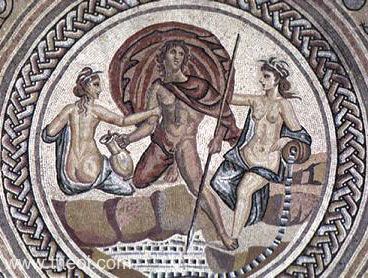
In Roman mythology, nymphs are often depicted as beautiful female spirits associated with various natural elements. They are believed to inhabit rivers, forests, mountains, and other natural landscapes. Nymphs play a significant role in the mythology and culture of ancient Rome, embodying the beauty and vitality of nature. Their presence in various myths and legends highlights the Romans’ deep connection with the natural world and their belief in the divine qualities of the environment.
The Different Types of Nymphs
There are several distinct types of nymphs in Roman mythology, each associated with specific elements of nature. The most well-known types include water nymphs, tree nymphs, and mountain nymphs. Each of these nymphs is believed to have unique characteristics and powers that relate to their respective domains. Understanding these categories helps to appreciate the rich tapestry of Roman beliefs about nature and the divine.
 Ops
OpsWater Nymphs
Water nymphs, known as naiads, are spirits of fresh water, such as rivers, streams, and springs. They are often portrayed as enchanting maidens who possess the ability to control the waters they inhabit. Naiads are believed to be both nurturing and destructive, capable of providing life-sustaining water while also unleashing floods when angered. These dual aspects of their nature reflect the unpredictable qualities of water itself.
- Healing Properties: Naiads are often associated with healing and rejuvenation. Many myths tell of their waters having magical properties that can cure ailments or grant eternal youth.
- Protection: Naiads are also seen as protectors of their aquatic domains. They would guard their waters fiercely, punishing those who would harm the environment.
- Romantic Entanglements: Many legends involve naiads falling in love with mortal men, leading to stories of romance and tragedy.
One of the most famous naiads in Roman mythology is Arethusa, who was pursued by the river god Alpheus. To escape his advances, Arethusa transformed into a spring, showcasing the themes of love, transformation, and the connection between the divine and natural worlds. This story highlights the complexities of relationships between nymphs and mortals, a recurring theme in many myths.
Tree Nymphs
Tree nymphs, or dryads, are spirits associated with trees and forests. Each dryad is believed to be linked to a specific tree, often living within it or close by. The health of a dryad is closely tied to the health of her tree; if the tree is harmed, the dryad suffers as well. This intimate connection emphasizes the importance of nature and the need for its protection in Roman beliefs.
 Orcus
Orcus- Guardians of the Forest: Dryads are often seen as guardians of the trees and forests. They protect the flora and fauna, ensuring that the ecosystem remains balanced.
- Symbol of Fertility: These nymphs are also symbols of fertility and growth, embodying the cycles of life and death found in nature.
- Human Interaction: Many stories involve humans interacting with dryads, often resulting in lessons about respect for nature and the consequences of greed.
A well-known dryad is Hamadryas, who is linked to a specific oak tree. In mythology, if her tree were to be cut down, she would die as well, illustrating the deep connection between nymphs and their natural surroundings. This relationship emphasizes the ancient Roman reverence for nature and the belief that all living things are interconnected.
The Role of Nymphs in Roman Culture
Nymphs were not only important figures in mythology but also played a significant role in Roman culture and daily life. They were often invoked in literature, art, and religious practices. The portrayal of nymphs in various forms reflects the Romans’ appreciation for beauty and their connection to nature. Through these depictions, we can see how nymphs influenced Roman thought and aesthetics.
 Pales
PalesNymphs in Literature
In Roman literature, nymphs frequently appear in poetry and prose, symbolizing the beauty of nature and the transient nature of life. Poets such as Virgil and Ovid often featured nymphs in their works, using them to convey themes of love, loss, and the passage of time. The nymphs’ ethereal qualities allowed writers to explore complex emotions and the relationship between humanity and the natural world.
- Symbolism: Nymphs symbolize the fleeting beauty of youth and nature, serving as reminders of the impermanence of life.
- Inspiration: Many artists and poets drew inspiration from the stories of nymphs, creating works that celebrated their grace and allure.
- Metaphors: Nymphs often serve as metaphors for various human experiences, such as love, desire, and the search for beauty.
The stories of nymphs often include elements of tragedy, illustrating the idea that beauty can be both captivating and ephemeral. The poignant tales of love and loss associated with nymphs resonate deeply with readers, making them enduring figures in Roman literature.
Nymphs in Art
Nymphs were also popular subjects in Roman art, where they were depicted in various forms, from sculptures to mosaics. Artists often portrayed nymphs in idyllic natural settings, highlighting their connection to the earth. The beauty of these figures was emphasized through graceful poses and flowing garments, symbolizing the harmony between humanity and nature.
- Visual Aesthetics: The depiction of nymphs in art emphasizes the aesthetics of beauty and the idealized forms of the female figure.
- Nature’s Beauty: Artists used nymphs to showcase the beauty of the natural world, often incorporating lush landscapes and vibrant colors.
- Religious Significance: Nymphs were sometimes included in religious art, representing the divine aspects of nature and the gods.
Through art, nymphs served as a bridge between the mortal and divine realms, allowing viewers to appreciate the beauty of nature while also acknowledging its spiritual significance. Their representations in art continue to inspire and captivate audiences today, reflecting the timeless allure of these mythical figures.
Nymphs and Nature Worship
The worship of nymphs in ancient Rome was closely tied to the reverence for nature and the environment. Nymphs were often seen as embodiments of natural forces, and rituals dedicated to them were common. These practices highlighted the importance of maintaining a harmonious relationship with nature, as well as the belief that nymphs could influence the well-being of the earth.
Rituals and Offerings
Ancient Romans performed various rituals to honor nymphs, often involving offerings of flowers, fruits, and other natural items. These offerings were made in hopes of receiving blessings from the nymphs, such as bountiful harvests or protection from natural disasters. The rituals emphasized gratitude and respect for the natural world, reinforcing the idea that humans must coexist peacefully with nature.
- Seasonal Festivals: Many festivals were held in honor of nymphs, celebrating the changing seasons and the cycles of nature.
- Community Involvement: These rituals often involved the entire community, fostering a sense of unity and shared reverence for the environment.
- Connection to Agriculture: Nymph worship was particularly important for agricultural communities, as they relied on the fertility of the land.
By participating in these rituals, Romans expressed their connection to the earth and acknowledged the nymphs’ role in sustaining life. This relationship with nature was fundamental to their worldview, emphasizing the importance of balance and respect for the environment.
The Influence of Nymphs on Environmental Awareness
The mythology of nymphs has also contributed to a broader awareness of environmental issues throughout history. Their stories serve as reminders of the delicate balance between humanity and nature. As modern societies grapple with environmental challenges, the lessons from Roman mythology regarding the protection of natural resources remain relevant.
- Symbol of Conservation: Nymphs can be seen as symbols of conservation, advocating for the preservation of natural landscapes and ecosystems.
- Lessons in Respect: The myths surrounding nymphs emphasize the importance of respecting nature and understanding the consequences of human actions.
- Inspiration for Modern Movements: The imagery and stories of nymphs continue to inspire contemporary environmental movements, highlighting the need for sustainable practices.
By reflecting on the stories and significance of nymphs, individuals today can gain a deeper appreciation for the environment and the importance of protecting it. The timeless nature of these myths underscores the enduring connection between humanity and the natural world.
Nymphs in Modern Culture
The influence of nymphs extends beyond ancient Rome into modern culture. Their images and stories have been reinterpreted in various forms of art, literature, and popular media. The fascination with nymphs persists, demonstrating their lasting impact on human imagination and creativity.
Nymphs in Literature
In contemporary literature, nymphs often appear as characters in fantasy and young adult novels. Authors draw inspiration from the traditional depictions of nymphs, reimagining them in new contexts and settings. These modern interpretations explore themes of identity, belonging, and the relationship between humanity and nature.
- Fantasy Genres: Nymphs are frequently featured in fantasy genres, where they embody magical qualities and often play pivotal roles in the narratives.
- Empowerment: Modern portrayals often depict nymphs as empowered figures, challenging traditional stereotypes and exploring their agency.
- Environmental Themes: Many contemporary stories use nymphs to address environmental issues, highlighting the importance of nature conservation.
Through these modern interpretations, nymphs continue to resonate with readers, inspiring new generations to explore the themes of beauty, nature, and the human experience.
Nymphs in Popular Media
Nymphs have also made their way into popular media, including films, television shows, and video games. Their enchanting qualities and connection to nature make them appealing characters in various narratives. Many modern adaptations emphasize the mystical and otherworldly aspects of nymphs, captivating audiences with their allure.
- Visual Storytelling: Films and television often use stunning visuals to depict nymphs and their natural environments, enhancing the magical quality of these characters.
- Diverse Representations: Modern media explores diverse representations of nymphs, allowing for a broader range of interpretations and narratives.
- Fan Culture: The popularity of nymphs in popular media has led to the creation of fan communities, where enthusiasts celebrate their favorite interpretations.
The continued presence of nymphs in modern culture reflects humanity’s enduring fascination with nature and the mystical qualities associated with it. These figures serve as a bridge between the past and present, reminding us of the beauty and complexity of the natural world.
The Legacy of Nymphs in Roman Mythology
The legacy of nymphs in Roman mythology is profound, influencing not only ancient beliefs but also shaping cultural narratives throughout history. Their stories embody essential themes of beauty, nature, and the interconnectedness of all living things. As we explore the myths and representations of nymphs, we gain insight into the values and beliefs of ancient Romans, as well as their enduring impact on modern culture.
Enduring Symbolism
Nymphs symbolize the timeless connection between humanity and nature. They remind us of the beauty of the natural world and the importance of preserving it for future generations. The stories of nymphs often convey messages of respect, balance, and harmony, encouraging individuals to foster a deeper relationship with the environment.
- Connection to Nature: Nymphs serve as reminders of our connection to the earth and the need to protect its resources.
- Mythological Influence: The myths surrounding nymphs have influenced various cultures and artistic expressions, showcasing their universal appeal.
- Lessons for Today: The teachings of nymphs remain relevant today, urging individuals to consider their impact on the environment and strive for sustainability.
As we reflect on the legacy of nymphs in Roman mythology, we recognize their role as powerful symbols of nature’s beauty and fragility. Their stories continue to inspire and resonate with people, serving as a bridge between the past and present in our ongoing relationship with the natural world.