
In Roman mythology, Orcus is a significant figure often associated with the underworld and the realm of the dead. He is commonly identified with the Greek god Hades and is considered a personification of death. Orcus represents not only the end of life but also the punishment of the wicked in the afterlife. His presence in mythology serves as a reminder of mortality and the consequences of one’s actions during their lifetime. The ancient Romans had a complex understanding of death and the afterlife, and Orcus played a crucial role in this belief system.
Origins of Orcus
The origins of Orcus can be traced back to earlier Italic traditions. The name “Orcus” itself is derived from the Latin word for “death.” In Roman culture, he was often depicted as a giant or a monstrous figure, emphasizing his role as a harbinger of death. Over time, Orcus became more closely associated with the underworld and the punishment of souls who had committed grave offenses. His representation evolved, and he was often shown with chains or as a being who would drag souls to the underworld.
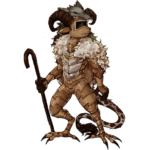 Pales
PalesIn the early Roman period, Orcus was not as well-defined as he later became. He was sometimes confused with other deities of the underworld, such as Dis Pater, who was also associated with wealth and the afterlife. As Roman mythology developed, Orcus emerged as a distinct figure, embodying the darker aspects of death and the afterlife. His character reflected the Roman view of morality and justice, as he was seen as a punisher of those who did not lead virtuous lives.
Orcus in Roman Literature
Orcus appears in various works of Roman literature, where he is often portrayed as a fearsome figure. In the writings of Virgil, for instance, Orcus is mentioned in the context of the Underworld, where he oversees the souls of the deceased. Virgil’s depiction contributes to the understanding of Orcus as a place of punishment and retribution. This portrayal reinforces the idea that Orcus is not merely a god of death but also a guardian of moral order.
Another significant literary reference to Orcus can be found in the works of Ovid. In his epic poem “Metamorphoses,” Ovid describes Orcus as a dark and terrifying entity. He paints a vivid picture of Orcus’s domain, emphasizing the fear and despair that the souls experience upon entering his realm. Through these literary references, Orcus is established as a critical figure in Roman mythology, representing not only death but also the moral implications of one’s actions.
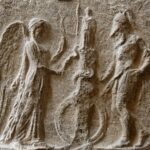 Palladium
Iconography of Orcus
The iconography of Orcus varies across different artistic representations. He is often depicted as a large and imposing figure, sometimes resembling a monstrous giant. His physical appearance is designed to evoke fear, and he is frequently shown with chains or shackles, symbolizing his role as a captor of souls. Artists often portrayed him with a grim expression, reinforcing the idea that he is a relentless force of death and punishment.
In some artworks, Orcus is depicted with various symbols of death, such as skulls or torches. These elements serve to highlight his connection to the afterlife and the fate that awaits those who have lived a life of vice. The artistic representations of Orcus often reflect the Roman belief in the supernatural consequences of one’s actions, making him a potent symbol of moral accountability.
Orcus and Other Deities
Orcus is often compared to other deities of the underworld, particularly Pluto and Dis Pater. While all three figures are associated with death and the afterlife, there are distinct differences in their roles and representations. Pluto, for instance, is often viewed as a more benevolent figure who governs the realm of the dead with a sense of justice and order. In contrast, Orcus is primarily seen as a punisher, focusing on the retribution of the wicked.
 Parcae
Dis Pater, another figure associated with the underworld, is also linked to wealth and fertility. Unlike Orcus, who embodies the darker aspects of death, Dis Pater represents the potential for regeneration and rebirth. This duality in Roman mythology reflects the complex attitudes toward death, where Orcus serves as a reminder of the consequences of immoral actions, while Dis Pater offers a glimmer of hope for the souls who have lived justly.
The Worship of Orcus
Worship of Orcus was not as widespread as that of other Roman deities. However, he held an essential place in the spiritual beliefs of the Romans. Various rituals and offerings were made to appease Orcus, especially during funerary practices. The Romans believed that by honoring Orcus, they could ensure a peaceful passage for the deceased and protect themselves from his wrath.
One common practice involved making offerings of food and drink at gravesites. These offerings were intended to satisfy Orcus and ensure that the souls of the deceased would not face punishment in the afterlife. This practice reflects the Roman understanding of the afterlife as a continuation of life, where the dead still required sustenance and care from the living.
Orcus in Modern Culture
In contemporary culture, the figure of Orcus has influenced various forms of art and literature. His image often appears in fantasy literature and role-playing games, where he is depicted as a powerful entity ruling over the realms of the dead. These modern interpretations draw upon the traditional characteristics of Orcus, emphasizing his role as a punisher of the wicked and a symbol of death.
Additionally, Orcus has made appearances in popular media, including movies and television shows. These portrayals often focus on the themes of morality and justice, echoing the original Roman beliefs associated with Orcus. By incorporating such figures into modern narratives, creators continue to explore the complex relationship between life, death, and the consequences of one’s actions.
The Legacy of Orcus
The legacy of Orcus extends beyond Roman mythology and continues to resonate in various aspects of modern culture. His character serves as a reminder of the ancient Romans’ views on morality, justice, and the afterlife. The way Orcus is portrayed in literature and art reflects the ongoing fascination with the themes of death and punishment, highlighting humanity’s enduring struggle with these concepts.
As a symbol of the afterlife, Orcus represents the fears and uncertainties surrounding death. His legacy encourages reflection on the choices we make during our lives and the potential consequences that may follow. In this way, Orcus remains relevant, serving as a powerful reminder of the moral responsibilities we hold and the inevitable nature of death.
Orcus is a multifaceted figure in Roman mythology, embodying the themes of death, punishment, and moral accountability. His origins, representations in literature, and worship practices provide insight into the Roman understanding of the afterlife. As time progresses, Orcus’s influence can be seen in modern interpretations, demonstrating the lasting impact of this ancient deity on contemporary culture. The story of Orcus continues to captivate audiences, reminding us of the complexities of life, death, and the consequences of our actions.