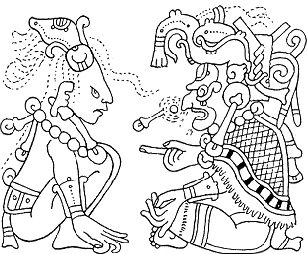
In the rich tapestry of Maya mythology, gods and goddesses play a crucial role in explaining the world around the ancient Maya civilization. Among these deities, one of the most significant is God R, often associated with the sun and the celestial realms. The ancient Maya had a complex understanding of the universe, where every element had a divine counterpart. God R embodies these celestial attributes, influencing various aspects of life, from agriculture to the cycles of time. His importance is reflected in numerous texts and artifacts that have survived through the ages, providing insight into the beliefs and practices of the Maya people.
The Nature of God R
God R, also known as God K in some interpretations, is often depicted as a powerful figure associated with the sun and the light it brings. The Maya viewed the sun as a life-giving force, essential for the growth of crops and the survival of their society. As a representation of the sun, God R symbolizes not only physical light but also the illumination of knowledge and understanding. This duality is a common theme in Maya mythology, where gods embody multiple aspects of life, reflecting the interconnectedness of nature and human experience.
 Bolontiku
His iconography typically includes elements that represent the sun, such as rays or a solar disk. In various Maya codices, God R is portrayed with features that signify his celestial nature, often surrounded by symbols of power and authority. The depiction of God R in art and architecture reveals the deep respect the Maya had for him, as they believed he played a pivotal role in maintaining cosmic order. This order was vital for their agricultural society, which relied heavily on the sun’s cycles for planting and harvesting.
Attributes of God R
- Sun: Represents light, warmth, and life.
- Knowledge: Symbolizes enlightenment and understanding.
- Power: Embodies authority and control over natural elements.
Each of these attributes reflects the multifaceted nature of God R. The sun, as a central figure in many cultures, is often seen as a source of strength and vitality. For the Maya, this was especially true, as their agricultural practices were closely tied to the solar calendar. God R’s association with knowledge suggests that the ancient Maya sought not only to understand the physical world but also to gain wisdom from the divine. This pursuit of knowledge was essential for their survival, influencing everything from farming techniques to social organization.
The power of God R is further emphasized in the context of Maya rituals. Ceremonies dedicated to this deity often involved offerings and prayers aimed at securing his favor. The Maya believed that by honoring God R, they could ensure a successful harvest and a prosperous community. This relationship with the divine was not merely transactional; it was rooted in a profound respect for the forces of nature that governed their lives.
 Nohoch Ich
The Role of God R in Maya Cosmology
Maya cosmology is a complex framework that explains the universe’s structure and the deities’ roles within it. God R occupies a central position in this cosmology, often linked to the creation myths that explain how the world came into being. In these narratives, the sun is not just a physical object but a vital force that drives the cycles of life and death. God R’s presence in these stories highlights his importance in maintaining balance and harmony in the universe.
In the Maya creation myth, the emergence of the sun is a significant event. God R is often depicted as part of the pantheon of gods who contributed to the creation of the world. This collaborative effort among the gods illustrates the interconnectedness of all beings and elements in the universe. The sun’s rise symbolizes the triumph of light over darkness, a recurring theme in many cultures worldwide. For the Maya, this victory was essential for life, as it signified the return of warmth and fertility to the earth.
 Xbalanque
Cosmic Order and the Sun
- Creation: God R’s role in the emergence of the sun.
- Balance: The importance of light and darkness in the universe.
- Cycles: The influence of the sun on agricultural and seasonal rhythms.
The concept of cosmic order is fundamental to understanding God R’s significance in Maya mythology. The ancient Maya believed that every element in the universe had its place and purpose, contributing to a harmonious whole. God R’s role as the sun is crucial in this framework, as he represents the light that sustains life. The cycles of day and night, as well as the changing seasons, are seen as manifestations of his power and influence.
These cycles were not only vital for agriculture but also for religious practices. The Maya calendar, which is intricately tied to celestial movements, reflects their deep understanding of time and its connection to the divine. Festivals and rituals were often aligned with solar events, such as solstices and equinoxes, further emphasizing God R’s role in their spiritual and everyday lives.
Worship and Rituals Associated with God R
The worship of God R was an integral part of Maya religious practices. The ancient Maya engaged in various rituals to honor this powerful deity, seeking to establish a favorable relationship with him. These rituals often included offerings of food, incense, and other items that were considered valuable. The Maya believed that by making these offerings, they could appease God R and ensure his blessings on their crops and community.
One of the most significant rituals associated with God R was the New Fire Ceremony. This event marked the end of a cycle and the beginning of a new one, symbolizing renewal and rebirth. During this ceremony, a new fire was lit, representing the sun’s rejuvenation and the promise of life. The New Fire Ceremony was a time of great importance, where the Maya sought to align themselves with the cosmic rhythms governed by God R.
Types of Offerings
- Food: Corn, beans, and other staple crops.
- Incense: Used to purify the space and attract the deity’s attention.
- Symbolic Objects: Items that represent fertility, prosperity, and life.
The offerings made to God R were carefully chosen, reflecting the Maya’s understanding of what was needed to sustain life. Corn, as a staple crop, was of particular importance, symbolizing nourishment and abundance. Incense played a dual role in these rituals, serving both to purify the space and to create a fragrant offering that could attract the deity’s attention. Symbolic objects, such as representations of fertility and prosperity, were also included to convey the community’s hopes and desires to God R.
In addition to these offerings, the Maya also engaged in prayer and chanting during rituals. These verbal expressions of devotion were believed to resonate with the divine, creating a channel of communication between the human and the celestial. The combination of offerings, prayers, and ceremonial practices illustrated the depth of the Maya’s commitment to honoring God R and their understanding of his role in their lives.
The Legacy of God R in Maya Culture
The legacy of God R extends beyond the rituals and myths of the ancient Maya. His influence can be seen in various aspects of Maya culture, including art, architecture, and societal organization. Temples and pyramids were often constructed in alignment with solar events, showcasing the importance of God R in their cosmological understanding. These structures served not only as places of worship but also as astronomical observatories, allowing the Maya to track the movements of the sun and other celestial bodies.
In art, depictions of God R can be found in murals, pottery, and sculptures, each illustrating his significance in the Maya worldview. These artistic representations serve as a testament to the deep respect and reverence the Maya had for this deity. The intricate details in these works highlight the importance of the sun in their daily lives, as well as its role in their spiritual beliefs.
Influence on Modern Maya Culture
- Traditions: Continuation of rituals and festivals.
- Artistic Expression: Modern interpretations of ancient deities.
- Cultural Identity: God R as a symbol of resilience and heritage.
Even today, the influence of God R can be observed in modern Maya culture. Many traditions and rituals that honor this deity have been passed down through generations, reflecting the enduring legacy of their ancestors. Festivals that celebrate the sun and its cycles continue to be an essential part of community life, reinforcing cultural identity and connection to the past.
Furthermore, contemporary artists often draw inspiration from ancient deities, including God R, to create new works that reflect their cultural heritage. This artistic expression serves as a bridge between the past and the present, allowing modern Maya to explore their identity and the significance of their mythology in today’s world. God R, as a symbol of resilience and strength, remains a vital part of the Maya narrative, reminding them of their rich history and the importance of their beliefs.
The Interconnectedness of Maya Deities
In Maya mythology, God R does not exist in isolation; he is part of a larger pantheon of gods and goddesses, each with their own roles and attributes. This interconnectedness is a fundamental aspect of Maya belief systems, reflecting their understanding of the universe as a web of relationships. The ancient Maya saw the actions of one deity as influencing the others, creating a dynamic interplay between various forces of nature and the divine.
God R often interacts with other gods, such as Itzamná, the creator god, and Chac, the rain god. These relationships highlight the importance of collaboration and balance in the cosmos. For instance, the interplay between the sun and rain is essential for agriculture, making the connection between God R and Chac particularly significant. This understanding of interconnectedness reinforces the idea that the Maya viewed their world as a holistic system, where every element played a crucial role in maintaining harmony.
Examples of Interactions
- Sun and Rain: The balance between God R and Chac.
- Creation Myths: Collaborative efforts among gods.
- Seasonal Changes: Influences of various deities on agriculture.
The relationship between God R and Chac is a prime example of this interconnectedness. The sun’s heat is necessary for the evaporation of water, which in turn creates rain. This cycle is vital for the growth of crops, underscoring the reliance of the Maya on both deities for their agricultural success. In their creation myths, the collaboration among gods reflects the belief that the universe’s harmony depends on the contributions of multiple divine beings.
Seasonal changes are also seen as a result of the interactions between different gods. The ancient Maya recognized that the cycles of planting and harvesting were influenced by the movements of the sun, the rain, and other celestial bodies. This awareness of the interconnectedness of deities and natural phenomena underscores the depth of their cosmological understanding, as well as the significance of God R within this intricate framework.
The Modern Interpretation of God R
In contemporary discussions of Maya mythology, God R continues to be a subject of interest and exploration. Scholars and enthusiasts alike seek to understand his role within the broader context of Maya beliefs and practices. This interest has led to a resurgence of appreciation for ancient Maya culture, as people recognize the relevance of these myths in today’s world.
Modern interpretations of God R often emphasize the importance of nature and the environment, resonating with current global concerns about sustainability and ecological balance. The lessons derived from the ancient Maya’s reverence for the sun and its cycles serve as reminders of the need to respect and care for our planet. In this way, God R transcends his role as a historical figure, becoming a symbol of the ongoing relationship between humanity and the natural world.
Educational Efforts and Cultural Preservation
- Research: Ongoing studies of Maya texts and artifacts.
- Community Engagement: Involvement of modern Maya in cultural preservation.
- Global Awareness: Sharing of Maya mythology with a broader audience.
Efforts to study and preserve the legacy of God R and other Maya deities have gained momentum in recent years. Researchers continue to delve into ancient texts and artifacts, uncovering insights into the beliefs and practices of the Maya. These studies contribute to a deeper understanding of the cultural significance of God R, enriching our knowledge of this fascinating civilization.
Community engagement plays a vital role in the preservation of Maya culture. Modern Maya communities are actively involved in revitalizing their traditions, ensuring that the stories and rituals associated with God R are passed down to future generations. This involvement fosters a sense of pride and identity, as contemporary Maya connect with their rich heritage and the teachings of their ancestors.
Furthermore, the sharing of Maya mythology with a broader audience promotes global awareness of the significance of these ancient beliefs. By highlighting the importance of God R and his role in the Maya worldview, we can foster a greater appreciation for the diversity of human cultures and the wisdom they offer. God R stands as a testament to the enduring power of mythology and the ways in which it shapes our understanding of the world.