
The concept of Navadurgas is a significant aspect of Hindu mythology, representing the nine forms of the goddess Durga. Each form embodies different attributes and qualities that are revered by devotees. The worship of Navadurgas is especially prominent during the festival of Navratri, a nine-night celebration dedicated to the goddess. Each night is dedicated to one of the nine forms, and devotees engage in various rituals, prayers, and celebrations to honor her. Understanding the Navadurgas offers insight into the rich tapestry of Hindu beliefs and the reverence for the feminine divine.
Overview of Navadurgas
The term Navadurga translates to “Nine Durgas,” and these nine forms are celebrated for their unique powers and virtues. Each form has a specific significance and is associated with different aspects of life and spirituality. The Navadurgas are often depicted in art and sculpture, showcasing their various attributes and weapons. These forms are not only worshipped for their divine powers but also serve as symbols of strength, courage, and protection for their devotees. The worship of these nine forms is a way for followers to seek blessings and guidance in their lives.
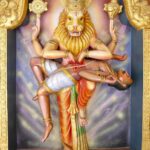 Narasimha
The nine forms of Navadurga are: Shailaputri, Bhadrakali, Chandraghanta, Kushmanda, Skandamata, Katyayani, Kalratri, Mahagauri, and Siddhidatri. Each form represents different energies and aspects of the goddess, allowing devotees to connect with her in diverse ways. The worship of these forms varies across different regions of India, reflecting local traditions and practices. This diversity enriches the overall understanding and appreciation of the Navadurgas.
Shailaputri: The Daughter of the Mountains
Shailaputri is the first form of Navadurga, representing the daughter of the mountains. She is often depicted riding a bull and holding a trident and a lotus in her hands. Shailaputri symbolizes the power of nature and the strength of the mountains. Her worship is believed to bring stability and peace to the lives of her devotees. People pray to her for strength in overcoming obstacles and challenges, much like the enduring nature of the mountains.
Devotees often celebrate Shailaputri on the first day of Navratri, engaging in rituals that include chanting mantras and offering flowers and fruits. Her blessings are sought for a balanced life, and she is seen as a protector who guides her followers through difficult times. The stories and legends surrounding Shailaputri emphasize her unwavering strength and resilience, making her an important figure for those seeking support and guidance.
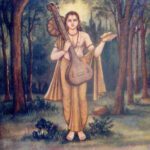 Narada
Rituals for Shailaputri
- Chanting the Shailaputri Vandana.
- Offering milk and honey as a symbol of purity.
- Lighting a diya (lamp) to signify the removal of darkness.
The rituals performed for Shailaputri are simple yet profound. Devotees often create a small altar dedicated to her, adorned with flowers and images. The act of lighting a diya is significant, as it represents the dispelling of ignorance and the welcoming of knowledge and wisdom. Each offering is made with devotion, and the atmosphere during these rituals is filled with reverence and spirituality.
Bhadrakali: The Auspicious Goddess
Bhadrakali is the second form of Navadurga, known for her fierce yet benevolent nature. She is depicted with a dark complexion and is often shown wearing a garland of skulls, symbolizing the destruction of evil. Bhadrakali embodies the power to eliminate negativity and restore balance in the universe. Her worship is particularly important for those seeking protection from malevolent forces and for the removal of obstacles in their lives.
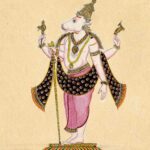 Nandi
NandiOn the second day of Navratri, devotees honor Bhadrakali through rituals that invoke her protective energies. Offerings of red flowers, sweets, and incense are common, as they symbolize purity and devotion. Bhadrakali is often associated with the Shakti energy, representing the divine feminine force that drives creation and destruction. Her fierce aspect reminds devotees of the importance of standing strong against adversity.
Rituals for Bhadrakali
- Performing Homa (fire rituals) to invoke her blessings.
- Reciting the Bhadrakali Ashtakshara Mantra.
- Offering red fruits and sweets as a sign of devotion.
The rituals for Bhadrakali focus on creating a sacred space where devotees can connect with her energy. The performance of Homa is particularly significant, as it is believed to purify the environment and attract positive energies. Reciting her mantras helps in aligning one’s thoughts and intentions with her divine presence, making the worship experience deeply personal and transformative.
Chandraghanta: The Moon-Bell Goddess
Chandraghanta is the third form of Navadurga, known for her beauty and grace. She is depicted with a crescent moon on her forehead, symbolizing peace and serenity. Chandraghanta is often shown riding a tiger or lion, representing her courage and strength. She embodies the qualities of compassion and love, and her worship is associated with the removal of fear and anxiety.
Devotees celebrate Chandraghanta on the third day of Navratri by engaging in prayers and rituals that focus on cultivating inner peace. Offerings of flowers, particularly white ones, are common as they represent purity and devotion. The goddess is believed to bless her devotees with tranquility and the ability to face life’s challenges with a calm mind and heart. Her gentle yet powerful presence inspires confidence and strength in her followers.
Rituals for Chandraghanta
- Reciting the Chandraghanta Stotra for peace.
- Offering white flowers and milk to symbolize purity.
- Lighting incense to create a serene atmosphere.
The rituals for Chandraghanta are designed to create a peaceful environment that fosters introspection and connection with the divine. The act of lighting incense is particularly meaningful, as it represents the offering of one’s thoughts and prayers to the goddess. Through these rituals, devotees seek her blessings for emotional stability and the strength to overcome life’s challenges.
Kushmanda: The Creator of the Universe
Kushmanda is the fourth form of Navadurga, known as the creator of the universe. She is depicted with a radiant smile and is often shown holding a pumpkin, symbolizing abundance and nourishment. Kushmanda represents the energy of creation and is believed to bless her devotees with prosperity and happiness. Her worship is associated with the cultivation of positive energies and the manifestation of desires.
On the fourth day of Navratri, devotees honor Kushmanda through rituals that emphasize gratitude and abundance. Offerings of pumpkins, fruits, and sweets are common, as they symbolize the richness of life. Kushmanda is also associated with the solar energy, representing vitality and strength. Her blessings are sought for a fruitful and prosperous life, and her presence is believed to inspire creativity and growth.
Rituals for Kushmanda
- Offering pumpkins and sweets as a symbol of abundance.
- Reciting the Kushmanda Vandana for prosperity.
- Lighting lamps to symbolize the illumination of knowledge.
The rituals for Kushmanda focus on expressing gratitude for the blessings in life. The offering of pumpkins and sweets serves as a reminder of the abundance that the goddess provides. Reciting her Vandana connects devotees with her energy, fostering a sense of hope and optimism. The lighting of lamps during these rituals symbolizes the illumination of knowledge and the dispelling of ignorance.
Skandamata: The Mother of Skanda
Skandamata is the fifth form of Navadurga, revered as the mother of Skanda, the god of war. She is depicted holding her son in her lap and is often shown with a serene expression. Skandamata represents maternal love and nurturing, embodying the qualities of compassion and care. Her worship is associated with the well-being of children and the strength of motherhood.
On the fifth day of Navratri, devotees honor Skandamata through rituals that celebrate motherhood and nurturing. Offerings of bananas, sweets, and flowers are common, symbolizing fertility and growth. Skandamata’s blessings are sought for the health and happiness of children, and her presence is believed to inspire strength and resilience in mothers. The stories surrounding Skandamata highlight the importance of love and compassion in the journey of life.
Rituals for Skandamata
- Offering bananas and sweets as a symbol of nourishment.
- Reciting the Skandamata Stotra for maternal blessings.
- Lighting diyas to invoke her protective energies.
The rituals for Skandamata focus on honoring the sacred bond between mothers and their children. Offering bananas and sweets symbolizes the nurturing aspect of motherhood, while reciting her Stotra connects devotees with her divine energy. The lighting of diyas during these rituals serves to invoke her protective presence, ensuring the safety and well-being of loved ones.
Katyayani: The Warrior Goddess
Katyayani is the sixth form of Navadurga, known for her warrior-like qualities. She is depicted with a fierce expression and is often shown riding a lion, symbolizing strength and courage. Katyayani represents the power of action and determination, embodying the qualities needed to overcome challenges and adversities. Her worship is associated with the victory of good over evil.
On the sixth day of Navratri, devotees honor Katyayani through rituals that focus on empowerment and strength. Offerings of flowers, particularly yellow ones, are common, as they symbolize courage and positivity. Katyayani is often invoked by those seeking protection and strength in their endeavors. Her blessings are believed to inspire confidence and the ability to face life’s challenges head-on.
Rituals for Katyayani
- Reciting the Katyayani Mantra for strength.
- Offering yellow flowers and sweets to symbolize positivity.
- Lighting lamps to invoke her warrior spirit.
The rituals for Katyayani are designed to empower devotees, encouraging them to tap into their inner strength. Reciting her mantra helps in aligning one’s intentions with her fierce energy, while offering yellow flowers serves as a symbol of courage and positivity. The lighting of lamps during these rituals invokes her warrior spirit, inspiring confidence and determination in the face of challenges.
Kalratri: The Dark Night Goddess
Kalratri is the seventh form of Navadurga, known for her fierce and dark appearance. She is depicted with a terrifying expression and is often shown riding a donkey. Kalratri represents the destructive aspect of the goddess, embodying the qualities of annihilation and transformation. Her worship is associated with the removal of fear and negativity, making her an important figure for those seeking liberation from darkness.
On the seventh day of Navratri, devotees honor Kalratri through rituals that focus on transformation and liberation. Offerings of black and dark-colored foods are common, symbolizing the acceptance of darkness as a part of life. Kalratri’s blessings are sought for the removal of obstacles and the ability to navigate through difficult situations. Her fierce nature serves as a reminder of the importance of confronting one’s fears and challenges head-on.
Rituals for Kalratri
- Reciting the Kalratri Stotra for protection.
- Offering dark-colored foods as a symbol of acceptance.
- Lighting lamps to dispel darkness.
The rituals for Kalratri focus on embracing the transformative power of darkness. Reciting her Stotra helps in invoking her protective energies, while offering dark-colored foods symbolizes the acceptance of all aspects of life. The lighting of lamps during these rituals serves to dispel darkness, both externally and within oneself, fostering a sense of empowerment and resilience.
Mahagauri: The Great Goddess
Mahagauri is the eighth form of Navadurga, known for her purity and grace. She is depicted with a radiant white complexion and is often shown riding a white elephant. Mahagauri embodies the qualities of purity, wisdom, and peace. Her worship is associated with spiritual growth and the attainment of knowledge, making her an important figure for those seeking enlightenment.
On the eighth day of Navratri, devotees honor Mahagauri through rituals that focus on purity and spiritual growth. Offerings of white flowers, rice, and milk are common, symbolizing purity and devotion. Mahagauri’s blessings are sought for wisdom and the ability to navigate through life’s challenges with clarity. Her presence inspires a sense of peace and tranquility, encouraging devotees to seek knowledge and understanding.
Rituals for Mahagauri
- Reciting the Mahagauri Vandana for wisdom.
- Offering white flowers and milk to symbolize purity.
- Lighting incense to create a peaceful atmosphere.
The rituals for Mahagauri are designed to create an environment of purity and devotion. Reciting her Vandana helps in aligning one’s intentions with her divine presence, while offering white flowers and milk serves as a symbol of purity. The lighting of incense during these rituals fosters a peaceful atmosphere, allowing devotees to connect with her energy and seek her blessings for wisdom and spiritual growth.
Siddhidatri: The Goddess of Accomplishments
Siddhidatri is the ninth form of Navadurga, revered as the goddess of accomplishments and perfection. She is depicted sitting on a lotus and is often shown with four arms, holding various symbols of success and achievement. Siddhidatri embodies the qualities of fulfillment and enlightenment, making her an important figure for those seeking success in their endeavors.
On the ninth day of Navratri, devotees honor Siddhidatri through rituals that focus on success and accomplishments. Offerings of fruits, sweets, and flowers are common, symbolizing the abundance of achievements. Siddhidatri’s blessings are sought for success in various aspects of life, including education, career, and personal growth. Her presence inspires a sense of fulfillment and encourages devotees to strive for excellence in their pursuits.
Rituals for Siddhidatri
- Reciting the Siddhidatri Stotra for success.
- Offering fruits and sweets as a symbol of abundance.
- Lighting diyas to invoke her blessings.
The rituals for Siddhidatri focus on celebrating achievements and seeking her blessings for future success. Reciting her Stotra helps in aligning one’s intentions with her energy, while offering fruits and sweets symbolizes the abundance of accomplishments. The lighting of diyas during these rituals serves to invoke her blessings, inspiring devotees to pursue their goals with determination and passion.
Significance of Navadurgas in Hindu Culture
The worship of Navadurgas holds immense significance in Hindu culture, as it reflects the reverence for the feminine divine. Each form of the goddess represents different aspects of life and spirituality, allowing devotees to connect with her in diverse ways. The celebration of Navratri, dedicated to the Navadurgas, fosters a sense of community and devotion among followers. It serves as a reminder of the importance of the divine feminine and the role of women in society.
The rituals and celebrations associated with Navadurgas promote values such as strength, compassion, and resilience. They encourage individuals to confront their fears and challenges, drawing inspiration from the goddess’s various forms. The teachings and stories surrounding the Navadurgas emphasize the importance of balance in life, blending strength with compassion and action with wisdom. This holistic approach resonates deeply with devotees, guiding them on their spiritual journeys.
Navadurgas in Modern Times
- Celebration of Navratri in urban areas.
- Integration of traditional rituals with modern practices.
- Increased awareness of feminine power and equality.
In modern times, the celebration of Navratri has evolved, particularly in urban areas where traditional rituals are often integrated with contemporary practices. The festival has become a vibrant cultural celebration, showcasing dance, music, and community gatherings. This evolution reflects the changing dynamics of society, where the values of feminine power and equality are increasingly recognized and celebrated.
The significance of Navadurgas continues to inspire individuals across generations, encouraging them to embrace the qualities of strength, resilience, and compassion. As society progresses, the teachings of the Navadurgas serve as a reminder of the importance of honoring the divine feminine and recognizing the role of women in shaping the world. The continued reverence for Navadurgas highlights the enduring connection between spirituality and everyday life.