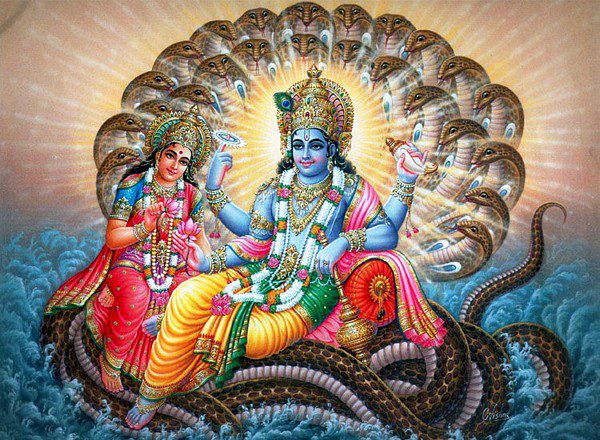
Naginas are significant figures in Hindu mythology, often depicted as female serpentine beings. They are closely associated with the Nagas, who are serpent deities or beings in Hinduism and Buddhism. The concept of Nagas and Naginas is deeply rooted in ancient texts and traditions, where they are portrayed with a blend of beauty and danger. Naginas are believed to possess mystical powers and are often depicted in various forms of art and literature, symbolizing the duality of nature and the balance between life and death.
The Origin of Naginas
The origins of Naginas can be traced back to ancient Indian scriptures, particularly the Vedas and the Mahabharata. In these texts, Nagas are described as semi-divine beings who inhabit the underworld, known as Patala. They are considered protectors of treasures and are often associated with water bodies. Naginas, being their female counterparts, share similar attributes but are also revered for their nurturing qualities. This duality makes them complex characters within Hindu mythology, representing both fertility and danger.
 Nagas
NagasThe mythology surrounding Naginas is rich and diverse. They are often depicted in stories where they play pivotal roles in the lives of gods and mortals. For example, in the Mahabharata, there are tales of Nagas who assist the Pandavas during their trials and tribulations. This reflects the idea that Naginas, while powerful and sometimes fearsome, can also be benevolent and protective. Their stories often highlight the themes of loyalty, sacrifice, and the interconnectedness of all beings.
Characteristics of Naginas
Naginas are characterized by their enchanting beauty and their ability to shape-shift. They are often depicted with the upper body of a beautiful woman and the lower body of a serpent. This imagery symbolizes their connection to both the earthly and the spiritual realms. The dual nature of Naginas allows them to traverse different worlds, making them powerful entities in the mythological landscape. They are often seen wearing exquisite jewelry and adorned with flowers, further emphasizing their allure.
In addition to their physical characteristics, Naginas are imbued with various powers. They are believed to have control over water and can influence the weather. In many stories, they are shown to have the ability to heal and protect those who show them respect. However, they can also be vengeful towards those who wrong them or disrespect their domain. This duality makes them fascinating characters, as they embody both the nurturing and destructive forces of nature.
 Murugan
Naginas in Folklore and Culture
The figure of the Nagina has transcended ancient texts and found a place in modern folklore and culture. In various regions of India, Naginas are worshipped as protectors of households and are believed to bring prosperity and good fortune. Rituals and festivals are often dedicated to them, where people pray for their blessings. These practices reflect the deep-rooted belief in the protective nature of Naginas and their significance in daily life.
In popular culture, Naginas have been portrayed in various forms, from films to literature. They are often depicted as strong female characters who navigate the complexities of love, power, and vengeance. This modern representation often highlights their independence and strength, aligning with contemporary values of female empowerment. The stories of Naginas continue to resonate with audiences, showcasing their timeless appeal and relevance in today’s society.
Legends of Naginas
Numerous legends surround the Naginas, each telling a different aspect of their nature and influence. One of the most famous legends involves a Nagina who fell in love with a mortal. This story illustrates the theme of forbidden love and the challenges that arise when two worlds collide. The Nagina, torn between her love for the mortal and her duties as a serpent deity, ultimately faces a tragic fate. This tale highlights the emotional depth and complexity of Naginas, showing that they are not merely figures of mythology but also embodiments of human emotions.
 Mudra
MudraAnother popular legend involves a Nagina protecting a sacred site from invaders. In this story, the Nagina uses her powers to create illusions and defend her territory. This narrative emphasizes the protective nature of Naginas and their role as guardians of the earth. It also serves as a reminder of the importance of respecting nature and the beings that inhabit it. Such legends not only entertain but also impart valuable lessons about respect, loyalty, and the balance of power.
Naginas in Art and Symbolism
The representation of Naginas in art is diverse and vibrant. They are often depicted in sculptures, paintings, and traditional textiles. In many artworks, the beauty and grace of Naginas are emphasized, showcasing their dual nature as both enchanting and formidable. The intricate details in their portrayal, such as their jewelry and the patterns of their serpent tails, reflect the artistic traditions of the cultures that revere them.
Symbolically, Naginas represent various concepts, including fertility, protection, and the cycle of life. They are often associated with water, which is a vital element for life. In many cultures, water is seen as a source of purification and renewal, and the Naginas embody this connection. Their presence in art serves as a reminder of the importance of nature and the need to coexist harmoniously with all living beings.
The Role of Naginas in Hindu Rituals
Naginas play a significant role in various Hindu rituals and ceremonies. They are often invoked during rituals aimed at seeking protection and blessings. Devotees may create small altars or shrines dedicated to Naginas, where they offer prayers and offerings. These rituals are believed to ensure safety from harm and bring prosperity to the household. The reverence for Naginas in these practices reflects the deep cultural significance they hold in the lives of many.
In some regions, festivals are celebrated in honor of Naginas, where people gather to participate in rituals and festivities. These celebrations often include music, dance, and storytelling, creating a vibrant atmosphere that honors the legacy of Naginas. Such events foster a sense of community and connection to ancient traditions, reminding people of the rich tapestry of their cultural heritage.
Naginas in Comparative Mythology
The concept of serpent deities is not unique to Hindu mythology; it can be found in various cultures around the world. In comparative mythology, Naginas can be likened to figures such as the Gorgon in Greek mythology, or the Dragon in various Asian cultures. These beings often share similar attributes, embodying the duality of beauty and terror. This comparison highlights the universal themes present in mythology, where similar archetypes emerge across different cultures.
In many traditions, serpent deities symbolize wisdom, fertility, and the cycle of life and death. The stories surrounding these beings often explore themes of transformation and the interconnectedness of all living things. The Naginas, with their unique blend of qualities, serve as a fascinating example of how different cultures interpret similar concepts through their mythological frameworks.
The Modern Interpretation of Naginas
In contemporary society, the figure of the Nagina has evolved, often being reinterpreted in various forms of media. From films to novels, Naginas are depicted as strong, independent characters who navigate complex moral dilemmas. This modern portrayal often emphasizes themes of empowerment and resilience, resonating with current societal values. The stories of Naginas continue to inspire new generations, showcasing their relevance in today’s world.
Furthermore, the resurgence of interest in mythology has led to a renewed appreciation for Naginas and their stories. Many authors and creators are exploring the rich tapestry of Hindu mythology, bringing the tales of Naginas to a broader audience. This revitalization of interest not only preserves these ancient stories but also allows for new interpretations that reflect contemporary issues and values.
The world of Naginas is a captivating aspect of Hindu mythology that continues to inspire and intrigue. Their rich history, complex characteristics, and significant cultural roles make them enduring figures in the mythological landscape. As society evolves, the stories of Naginas will likely continue to be reinterpreted and celebrated, ensuring their place in both ancient and modern narratives.