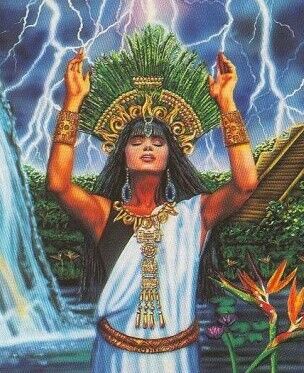
The Maya mythology is a rich tapestry of stories and beliefs that have been passed down through generations. One of the fascinating figures in this mythology is Alaghom. Alaghom is often depicted as a significant deity within the pantheon of the ancient Maya. His narratives intertwine with themes of creation, nature, and the cosmos, reflecting the deep connection the Maya had with their environment. Understanding Alaghom provides insights into the broader context of Maya religious beliefs and their understanding of the universe.
The Role of Alaghom in Maya Mythology
Alaghom is primarily associated with the creation myths of the Maya. He is often depicted as a god who played a crucial role in shaping the world and its inhabitants. According to various texts and oral traditions, Alaghom is responsible for the creation of not just the physical world but also the spiritual realm. This duality signifies the importance of balance in Maya cosmology, where the physical and spiritual worlds are interconnected.
 Kam
KamIn many stories, Alaghom is portrayed as a wise and benevolent figure. He is not just a creator but also a protector of humanity. His actions often reflect the values of harmony and respect for nature, which were central to the Maya way of life. This aspect of Alaghom emphasizes the belief that the gods were deeply involved in the daily lives of the people, guiding them and providing for their needs.
Alaghom’s Attributes and Symbolism
Alaghom is often depicted with specific attributes that symbolize his powers and responsibilities. One of the most notable symbols associated with him is the serpent. The serpent is a powerful symbol in many cultures, representing transformation, fertility, and the cycle of life. In Maya mythology, the serpent is also linked to the underworld and the heavens, embodying the connection between different realms of existence.
 Chac
ChacAnother significant attribute of Alaghom is his association with water. Water is vital for life, and in Maya beliefs, it is often seen as a source of nourishment and renewal. Alaghom’s connection to water underscores his role as a life-giver and sustainer. This relationship also highlights the importance of natural resources in Maya culture and the reverence they held for the environment.
Alaghom and the Creation of Humanity
One of the most intriguing aspects of Alaghom’s mythology is his involvement in the creation of humanity. According to various myths, Alaghom, alongside other deities, engaged in the creation process to form human beings. The stories often depict a series of attempts, each with its own failures and successes. This narrative illustrates the challenges faced by the gods in their quest to create beings that could worship and honor them.
- The first attempt involved creating humans from mud, but they were weak and fell apart.
- The second attempt used wood, resulting in beings that lacked souls and emotions.
- Finally, the gods succeeded in creating humans from maize, which became a staple food for the Maya.
This final creation of humans from maize is particularly significant, as maize is central to Maya agriculture and culture. It represents sustenance and life itself. Alaghom’s role in this process reflects the idea that the gods were intimately involved in the lives of their creations, providing not only for their physical needs but also for their spiritual fulfillment.
 Xaman Ek
Alaghom in Maya Rituals and Ceremonies
The presence of Alaghom in Maya rituals and ceremonies underscores his importance in their religious practices. The Maya often conducted ceremonies to honor their gods, seeking favor and blessings for various aspects of life, such as agriculture, health, and prosperity. Alaghom, as a creator deity, was frequently invoked during these rituals.
One common practice involved offerings of food, especially maize, which was a vital crop for the Maya. These offerings were made to show gratitude and seek Alaghom’s protection and guidance. The rituals often included prayers and songs that recounted the stories of Alaghom’s creation and his significance in the lives of the people.
Festivals Dedicated to Alaghom
In addition to daily rituals, the Maya also held grand festivals dedicated to Alaghom. These festivals were vibrant celebrations filled with music, dance, and communal feasting. They served as a way for the community to come together, express their devotion, and strengthen their cultural identity.
- During the festivals, the Maya would create elaborate altars adorned with flowers, fruits, and other offerings.
- Participants would engage in traditional dances that narrated the stories of Alaghom, emphasizing his role in creation.
- These gatherings also included storytelling sessions, where elders would share the myths associated with Alaghom, ensuring that the younger generations understood their heritage.
Such festivals were not only religious observances but also opportunities for social bonding and cultural expression. They reinforced the community’s shared beliefs and values, with Alaghom at the center of their spiritual world.
Alaghom and the Environment
The connection between Alaghom and the environment is a recurring theme in Maya mythology. Alaghom embodies the principles of respect and harmony with nature. The Maya viewed the world as a living entity, and their deities, including Alaghom, were seen as integral to maintaining the balance of the ecosystem.
In many stories, Alaghom is depicted as a guardian of the forests, rivers, and mountains. His actions often reflect the need for sustainable practices and the importance of preserving natural resources. This relationship between Alaghom and the environment highlights the Maya’s understanding of the interconnectedness of all life forms and their responsibility to care for the earth.
Lessons from Alaghom’s Mythology
Alaghom’s narratives convey important lessons about the human experience and the natural world. The stories often emphasize themes of balance, respect, and reciprocity. The Maya believed that humans must live in harmony with nature and honor the gods through their actions. This perspective is particularly relevant today, as modern societies grapple with environmental challenges.
- The stories of Alaghom encourage a deep appreciation for the earth and its resources.
- They remind us of the importance of community and collective responsibility.
- Alaghom’s mythology serves as a call to recognize the sacredness of nature and our role in protecting it.
By understanding Alaghom and his teachings, we can gain valuable insights into the importance of sustainable living and the need for a respectful relationship with our environment.
Alaghom’s Influence on Contemporary Maya Culture
Even today, the influence of Alaghom can be seen in various aspects of contemporary Maya culture. Many Maya communities continue to honor their ancient beliefs and practices, integrating them into their daily lives. The stories of Alaghom are still told, and his presence is felt in the rituals and ceremonies that mark significant life events.
In recent years, there has been a resurgence of interest in Maya spirituality and the preservation of traditional practices. This movement is often fueled by a desire to reconnect with ancestral roots and ensure that the wisdom of the past is not lost. Alaghom, as a central figure in these beliefs, plays a vital role in this cultural revival.
Alaghom in Art and Literature
Alaghom’s influence extends to various forms of art and literature within Maya culture. Artists often depict scenes from his mythology, illustrating the creation stories and his connection to nature. These artworks serve as both a means of cultural expression and a way to pass down stories to future generations.
- Murals in temples and community spaces often feature images of Alaghom, highlighting his significance in the pantheon of gods.
- Literature, including poetry and storytelling, continues to explore the themes associated with Alaghom, enriching the cultural narrative.
- Through these artistic expressions, the Maya celebrate their heritage and keep the stories of Alaghom alive.
The integration of Alaghom into contemporary art and literature demonstrates the enduring legacy of Maya mythology and its relevance in today’s world.
Challenges to the Preservation of Alaghom’s Legacy
Despite the rich heritage surrounding Alaghom and Maya mythology, there are challenges to the preservation of these traditions. Modernization, globalization, and cultural assimilation have led to a decline in the practice of traditional rituals and storytelling. Many young people are drawn to contemporary lifestyles, often distancing themselves from their ancestral beliefs.
Efforts to revitalize and preserve the stories of Alaghom are crucial in maintaining cultural identity. Community leaders and elders play a vital role in this process, often organizing workshops and educational programs to teach the younger generation about their heritage. These initiatives aim to instill a sense of pride and connection to their roots.
The Role of Education in Preservation
Education is a powerful tool in the preservation of Alaghom’s legacy and Maya mythology as a whole. By incorporating traditional stories and beliefs into school curricula, educators can help foster an appreciation for cultural heritage among young people. This approach not only enriches their understanding of history but also encourages respect for diversity.
- Schools can organize cultural events that celebrate Maya traditions, inviting elders to share stories and teachings.
- Integrating Maya mythology into art and literature classes can inspire creativity and deepen connections to cultural roots.
- Community engagement through workshops and festivals can strengthen bonds and promote the continuation of traditional practices.
Through these educational initiatives, the legacy of Alaghom and the richness of Maya mythology can be preserved and celebrated for generations to come.
Alaghom stands as a testament to the profound connection between the Maya people and their mythology. His role as a creator deity, protector, and symbol of balance reflects the values that have shaped Maya culture for centuries. Through rituals, stories, and contemporary practices, Alaghom continues to influence the lives of the Maya, reminding them of their heritage and the importance of living in harmony with the world around them.