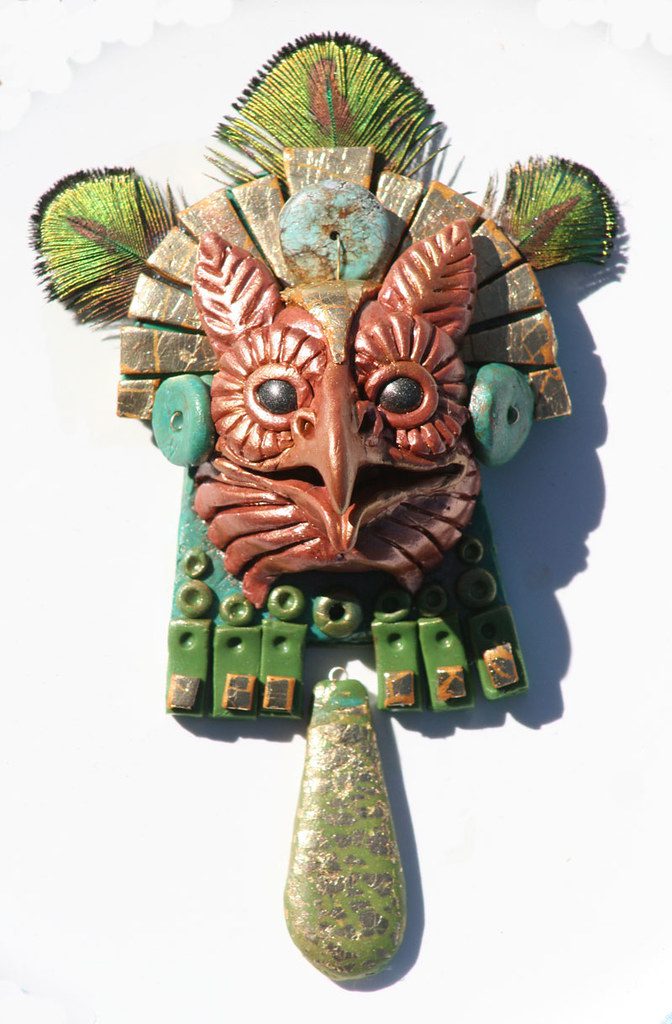
Muan is a fascinating figure in Maya mythology. He is often associated with the underworld and is considered a significant deity in the pantheon of the ancient Maya civilization. The Maya people had a rich tradition of storytelling and mythology, which played an essential role in their culture. Muan is depicted in various ancient texts and artifacts, revealing insights into the beliefs and practices of the Maya. This article will explore the life, significance, and various representations of Muan in Maya mythology.
The Origins of Muan
The origins of Muan are deeply rooted in Maya cosmology. He is often linked to the creation myths that describe how the world and its inhabitants came to be. According to these myths, Muan emerged from the primordial waters along with other deities. These creation stories were not only important for understanding the world but also for establishing a connection between the people and their gods. The Maya believed that these deities, including Muan, had a direct influence on their daily lives.
 Mitnal
Muan is sometimes described as a trickster figure, embodying the dual nature of creation and destruction. In many cultures, trickster figures are known for their cunning and ability to manipulate situations to their advantage. This aspect of Muan reflects the complexities of life and the balance of good and evil. The stories surrounding him often illustrate the consequences of his actions, teaching valuable lessons to the Maya people.
Muan in Maya Texts
The representation of Muan can be found in various Maya texts, including the Popol Vuh, a sacred book that contains the mythology and history of the K’iche’ Maya. In these texts, Muan is often depicted as a guide for souls navigating the underworld. His role is crucial as he helps individuals understand their journey after death. The Popol Vuh describes the trials and tribulations faced by souls, with Muan providing assistance and guidance along the way.
Additionally, Muan is mentioned in other codices and inscriptions, showcasing his significance in the Maya belief system. These writings often highlight his attributes and powers, emphasizing his connection to both life and death. The stories surrounding Muan serve to reinforce the importance of respecting the natural order and the cycles of life, as well as the belief in an afterlife.
 Jester God
The Symbolism of Muan
Muan is rich in symbolism, representing various aspects of the Maya worldview. One of the most notable symbols associated with him is the owl. In many cultures, owls are seen as symbols of wisdom and the spiritual realm. For the Maya, the owl was also a harbinger of death, making it a fitting symbol for Muan, who navigates the boundaries between life and the afterlife. This duality reflects the complexities of existence and the interconnectedness of all things.
Moreover, Muan is often depicted with specific attributes that signify his powers. These may include ritual objects, such as the staff or mask, which are believed to enhance his abilities. The use of these symbols in art and iconography highlights the importance of rituals in Maya society. Through these representations, the Maya communicated their beliefs and values, showcasing the significance of Muan in their spiritual practices.
Muan’s Role in Maya Rituals
Muan played a vital role in various Maya rituals and ceremonies. His presence was invoked during important events, such as funerals and agricultural rites. The Maya believed that honoring Muan would ensure a smooth transition for the deceased into the afterlife. Rituals often included offerings, prayers, and the recitation of sacred texts to appease Muan and other deities.
 Ixtab
IxtabIn agricultural ceremonies, Muan was called upon to bless the crops and ensure a bountiful harvest. The Maya understood the importance of the cycles of nature and the need to maintain harmony with the environment. By honoring Muan, they sought to establish a connection with the divine and secure their livelihoods. These rituals were not only a means of survival but also a way to reinforce community bonds and cultural identity.
Muan in Maya Art
The representation of Muan in Maya art is diverse and captivating. Artists often depicted him in various forms, showcasing his attributes and significance within the pantheon. Murals, pottery, and sculptures provide valuable insights into how the Maya viewed Muan and his role in their mythology. These artistic expressions often include intricate designs and vibrant colors, reflecting the skill and creativity of Maya artisans.
In many artworks, Muan is shown alongside other deities, illustrating the interconnectedness of their roles in the Maya belief system. These depictions serve not only as a means of storytelling but also as a way to convey religious and cultural values. The visual representation of Muan reinforces his importance and helps to educate future generations about their mythology.
The Influence of Muan on Modern Culture
Even today, Muan’s influence can be seen in modern Maya culture and beyond. Many contemporary Maya communities continue to honor their ancestral traditions, including the worship of Muan and other deities. Festivals and ceremonies often incorporate elements of ancient mythology, creating a bridge between the past and the present. This continuity of tradition helps to preserve cultural identity and instills a sense of pride in heritage.
Furthermore, Muan’s stories have transcended time, inspiring artists, writers, and scholars across the globe. The themes of duality, life, and death resonate with many, making Muan a relevant figure in contemporary discussions about spirituality and existence. His role as a trickster and guide speaks to the human experience, reminding us of the complexities we face in our own lives.
Muan and the Underworld
The underworld, known as Xibalba in Maya mythology, is a significant aspect of Muan’s narrative. He is often portrayed as a guide for souls navigating this dark realm. Xibalba is depicted as a challenging place filled with trials and obstacles, reflecting the fears and uncertainties associated with death. Muan’s role in guiding souls through this underworld emphasizes the importance of understanding and confronting these fears.
In various myths, Muan assists souls in overcoming the challenges posed by the lords of Xibalba. His wisdom and cunning enable him to help the deceased find their way to the afterlife. This narrative highlights the belief in the afterlife and the significance of proper guidance in ensuring a successful transition. The Maya believed that Muan’s assistance was essential for achieving peace and harmony in the afterlife.
The Legacy of Muan
The legacy of Muan is evident in the way he continues to be revered in modern Maya culture. His stories are passed down through generations, serving as a reminder of the rich mythology that shaped the beliefs and practices of the ancient Maya. The enduring nature of Muan’s legacy speaks to the resilience of Maya culture and its ability to adapt while maintaining a connection to its roots.
In addition to his presence in traditional rituals and stories, Muan’s influence can also be seen in literature and art. Contemporary artists often draw inspiration from Maya mythology, including the figure of Muan. This artistic expression not only celebrates cultural heritage but also introduces these ancient stories to new audiences. As a result, Muan remains a vibrant and dynamic figure in the collective consciousness of both Maya and non-Maya communities.
Muan’s Representation in Festivals
Festivals dedicated to Muan are an essential aspect of Maya culture, celebrating his significance and contributions to the community. These events often include a variety of activities, such as traditional dances, music, and rituals that honor Muan. The celebration of these festivals fosters a sense of unity among community members, reinforcing shared beliefs and values.
During these festivals, participants often dress in traditional attire, incorporating symbols associated with Muan. The use of masks and costumes allows individuals to embody the spirit of Muan, creating a connection between the physical and spiritual realms. This practice highlights the importance of cultural expression and the role of mythology in shaping identity.
Muan and Nature
Muan’s connection to nature is a significant aspect of his mythology. The Maya believed that he had the power to influence natural elements, such as rain, wind, and fertility. This relationship between Muan and nature reflects the Maya’s deep understanding of the environment and their reliance on it for survival. The rituals and offerings made to Muan often aimed to ensure favorable conditions for agriculture and other essential activities.
Furthermore, Muan’s association with the owl symbolizes the balance between life and death, reinforcing the idea that nature is a cycle of interconnected events. The Maya understood that respecting this cycle was crucial for maintaining harmony in their lives. By honoring Muan and acknowledging his influence on nature, the Maya sought to create a sustainable relationship with the world around them.
The Cultural Significance of Muan
The cultural significance of Muan extends beyond his role in mythology; he represents the values and beliefs that are central to Maya identity. Muan embodies the duality of existence, illustrating the importance of understanding both life and death. This perspective encourages the Maya to embrace the complexities of their experiences, fostering resilience and adaptability in the face of challenges.
Moreover, Muan serves as a reminder of the interconnectedness of all beings. His role as a guide for souls emphasizes the importance of community and the bonds that tie individuals together. By recognizing the significance of Muan in their mythology, the Maya continue to celebrate their heritage and pass down their traditions to future generations.
Muan in Contemporary Maya Society
In contemporary Maya society, Muan remains a vital figure in spiritual practices and cultural expressions. Many Maya communities continue to honor Muan through rituals and festivals, ensuring that his legacy endures. These practices not only celebrate Muan’s significance but also reinforce a sense of belonging and identity among community members.
Additionally, Muan’s stories have found their way into modern literature and art, inspiring new generations of artists and writers. This ongoing engagement with Muan’s mythology demonstrates the resilience of Maya culture and its ability to adapt to changing circumstances while preserving essential elements of its identity. The continued reverence for Muan reflects the enduring power of mythology in shaping cultural narratives and fostering a sense of community.
The Importance of Oral Tradition
Oral tradition plays a crucial role in preserving the stories and teachings associated with Muan. Elders in Maya communities often share these narratives with younger generations, ensuring that the mythology remains alive and relevant. This transmission of knowledge is vital for maintaining cultural identity and instilling values that have been passed down through centuries.
Storytelling not only serves as a means of entertainment but also as a way to educate and impart wisdom. The tales of Muan often carry moral lessons, encouraging listeners to reflect on their own lives and choices. Through oral tradition, the Maya can continue to connect with their past while navigating the complexities of the present.
The Global Influence of Maya Mythology
The influence of Maya mythology, including the figure of Muan, extends beyond the borders of the Maya civilization. Scholars, artists, and enthusiasts around the world have become fascinated with the rich tapestry of stories and beliefs that characterize this ancient culture. This global interest has led to a resurgence of appreciation for Maya mythology, encouraging cross-cultural exchanges and dialogues.
In literature and popular culture, Muan and other Maya deities have inspired a wide range of creative works. Authors and filmmakers often draw upon these ancient stories to explore themes of identity, spirituality, and the human experience. This engagement with Maya mythology not only honors the past but also invites new interpretations and understandings of these timeless narratives.
Muan’s Influence on Identity and Belonging
Muan’s presence in Maya mythology plays a significant role in shaping the identity and sense of belonging among Maya people. His stories serve as a source of pride and cultural heritage, reminding individuals of their roots and the resilience of their ancestors. This connection to Muan fosters a sense of community and belonging, reinforcing the importance of shared values and traditions.
Furthermore, Muan’s duality and complexity resonate with the experiences of many individuals, allowing them to find meaning and understanding in their own lives. The themes of life, death, and transformation associated with Muan encourage reflection and introspection, promoting personal growth and resilience. In this way, Muan’s influence extends beyond mythology, shaping the identities of those who honor him.
The Future of Muan in Maya Culture
The future of Muan in Maya culture is a testament to the enduring power of mythology and its ability to adapt to contemporary contexts. As Maya communities continue to honor their traditions, Muan’s significance will likely persist, evolving to meet the needs and values of future generations. This adaptability ensures that the stories and teachings associated with Muan remain relevant and meaningful.
Moreover, the ongoing engagement with Muan’s mythology in art, literature, and festivals serves to reinforce cultural identity and promote awareness of Maya heritage. As interest in indigenous cultures grows globally, Muan and other figures from Maya mythology may find new audiences, fostering appreciation for the richness and complexity of these ancient stories.