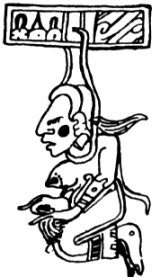
Ixtab is a significant figure in Maya mythology, representing the goddess of suicide and the afterlife. In the complex tapestry of Maya beliefs, she embodies the cultural views surrounding death, the afterlife, and the concept of sacrifice. Ixtab is often depicted as a skeletal figure, emphasizing the connection between life and death. Her role is not merely as a figure of despair but rather as a guide for souls transitioning from the mortal world to the next. Understanding Ixtab requires delving into the rich mythology of the Maya and the cultural significance of her persona.
The Origin of Ixtab
The origin of Ixtab can be traced back to ancient Maya texts and oral traditions. She is often associated with the underworld and is believed to have a dual role: one as a protector of souls and another as a figure who oversees the act of suicide. In Maya culture, suicide was sometimes viewed as a noble act, especially in the context of battle or severe illness. Ixtab was believed to welcome these souls into the afterlife, providing them with a peaceful transition. This perspective on suicide reflects the complex views of the Maya on life and death.
 Xquic
XquicIn the Maya pantheon, Ixtab holds a unique position. Unlike other deities who demand worship through rituals and offerings, Ixtab is often seen as a figure of compassion. She is thought to guide the souls of those who choose to end their lives, ensuring they find peace in the afterlife. This belief system contrasts sharply with many contemporary views on suicide, which often carry a stigma. In Maya culture, Ixtab’s presence offers a sense of understanding and acceptance, reflecting the nuanced views of mortality within their society.
Ixtab’s Symbolism
Ixtab is rich in symbolism, embodying themes of death, rebirth, and the journey of the soul. Her skeletal form serves as a reminder of the inevitability of death, yet it also signifies the continuation of existence beyond the physical realm. In this way, Ixtab represents the cycle of life and death, a central theme in Maya cosmology. The Maya believed that death was not an end but a transformation, and Ixtab personifies this belief.
Additionally, Ixtab is often associated with the magical properties of certain plants and rituals that were believed to assist in the transition to the afterlife. For example, specific herbs and offerings were used in ceremonies to honor Ixtab and seek her guidance. These practices highlight the connection between the physical world and the spiritual realm, emphasizing the importance of rituals in Maya culture. Ixtab’s symbolism extends beyond mere representation; it is interwoven with the daily lives and beliefs of the Maya people.
 Ixpiyacoc
Iconography of Ixtab
The iconography of Ixtab is distinctive and serves to communicate her attributes and significance within Maya mythology. She is often depicted with a skull or skeletal features, symbolizing her connection to death. This imagery is not meant to invoke fear but rather to represent the natural cycle of life. Her representation often includes elements that signify the afterlife, such as flowers or offerings that were traditionally placed on altars to honor the deceased.
- Skull motifs: These highlight her role as a death deity.
- Flowers: Often included to symbolize beauty and the afterlife.
- Offerings: Represent the connection between the living and the dead.
The visual representation of Ixtab is crucial for understanding her role in Maya society. Artifacts, such as pottery and carvings, often include her image, serving as a reminder of the beliefs surrounding death and the afterlife. These artistic expressions not only celebrate her significance but also reflect the values and attitudes of the Maya towards mortality.
Ixtab in Maya Rituals
Ixtab played an important role in various rituals conducted by the Maya. These rituals often centered around death, mourning, and the afterlife. People would invoke Ixtab’s name in ceremonies designed to honor the deceased, seeking her guidance and protection for their loved ones in the afterlife. The rituals often included offerings of food, incense, and other items believed to please the goddess and assist in the journey of the soul.
 Ix Tub Tun
One common ritual involved the use of bloodletting, a practice where individuals would pierce their skin to offer blood to the gods. This act was seen as a way to connect with the divine and seek favor from deities, including Ixtab. Bloodletting rituals were often performed by priests and high-ranking individuals, demonstrating the importance of Ixtab in maintaining the balance between the living and the dead.
Ritual Offerings
The offerings made to Ixtab were varied and rich in symbolism. Common items included food, flowers, and crafted goods, each representing a different aspect of life and the afterlife. The Maya believed that these offerings would not only honor Ixtab but also provide comfort and sustenance to the souls of the departed. The act of giving was seen as a crucial element in maintaining the connection between the living and the dead.
- Food offerings: Symbolized nourishment for the souls.
- Flowers: Represented beauty and the transient nature of life.
- Crafted goods: Offered as tokens of love and remembrance.
These rituals were essential for the Maya as they navigated the complexities of life and death. By honoring Ixtab, they sought to ensure a favorable journey for the souls of their loved ones, reflecting the deep respect and reverence they held for both life and the afterlife.
The Role of Ixtab in Maya Society
Ixtab’s influence extended beyond religious rituals; she played a crucial role in shaping societal attitudes towards death and sacrifice. The Maya viewed her as a compassionate figure, one who understood the struggles of the living. In times of hardship, such as famine or war, the belief in Ixtab provided solace to those who felt overwhelmed by their circumstances. The notion that there was a divine figure ready to guide them in death offered a sense of peace.
Moreover, Ixtab’s presence in the mythology allowed for open discussions about death. In a society where mortality was an ever-present reality, the acceptance of death was integral to the Maya worldview. Ixtab represented not only the end of life but also the possibility of new beginnings in the afterlife. This perspective encouraged a cultural acceptance of death, allowing individuals to face their mortality with courage and dignity.
Impact on Art and Culture
The cultural impact of Ixtab can be seen in various forms of Maya art and literature. She inspired countless artistic representations, from intricate carvings to vibrant murals that depicted her role in the afterlife. These artistic expressions served as a means of storytelling, conveying the beliefs and values of the Maya people. Through these works, Ixtab became a symbol of hope and guidance for those facing death.
- Murals: Often depicted scenes of Ixtab guiding souls.
- Carvings: Represented her attributes and significance.
- Pottery: Frequently featured motifs associated with Ixtab.
The influence of Ixtab on Maya culture is profound. Her presence in art and literature highlights the importance of death in Maya life and the belief in an afterlife. These cultural expressions not only celebrate her significance but also serve as a reminder of the rich mythology that shaped the lives of the Maya people.
Ixtab and Modern Interpretations
Furthermore, the discussions surrounding Ixtab can contribute to broader conversations about how different cultures perceive and deal with death. In many societies, death is often a taboo subject, shrouded in fear and misunderstanding. Ixtab’s acceptance and guidance in the face of death offer a counter-narrative, encouraging open dialogue and understanding. By embracing the lessons from Maya mythology, we can cultivate a more compassionate approach to mortality.
Ixtab in Popular Culture
Ixtab has also made her way into popular culture, appearing in various forms of media, including literature, films, and art. These representations often draw upon her traditional symbolism, highlighting her role as a guide for souls and a figure of acceptance in the face of death. By incorporating Ixtab into contemporary narratives, creators can explore themes of mortality, sacrifice, and the journey of the soul.
- Literature: Books exploring Maya mythology often feature Ixtab.
- Films: Documentaries and fictional works depict her role in the afterlife.
- Art: Modern artists draw inspiration from her symbolism.
These modern interpretations serve to keep the legacy of Ixtab alive, ensuring that her story continues to resonate with new generations. By engaging with her mythology, we can explore the timeless themes of life, death, and the human experience.
The Legacy of Ixtab
Ixtab’s legacy is deeply rooted in the cultural history of the Maya civilization. As a goddess of suicide and the afterlife, she represents the complex relationship between life and death. Her enduring presence in mythology speaks to the resilience of the Maya culture and its ability to adapt and evolve over time. The stories of Ixtab continue to be passed down through generations, reflecting the ongoing relevance of her teachings.
In many ways, Ixtab serves as a bridge between the past and the present. Her story encourages individuals to confront their fears surrounding death and to seek understanding and acceptance. The lessons derived from her mythology can inspire contemporary discussions about mental health, spirituality, and the importance of community support in times of crisis. By recognizing the significance of Ixtab, we honor the wisdom of the Maya and the rich traditions that have shaped their worldview.